NASA's Titan-Bound Dragonfly Rotorcraft Gets Its Seven Cameras
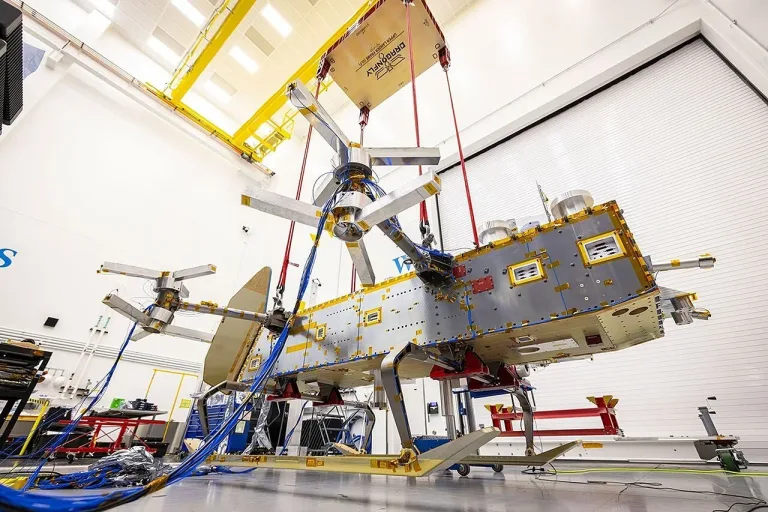
All seven DragonCam science cameras are now installed on NASA's Dragonfly, a car-sized rotorcraft being built at Johns Hopkins APL for a July 2028 launch to Titan.
Latest on nasa: NASA's Titan-Bound Dragonfly Rotorcraft Gets Its Seven Cameras; El Niño 2026 Tracks the Giant 1997 Event, NASA Data and NOAA Show; NASA Seeks Partners to Build a Nuclear Reactor on the Moon.
All seven DragonCam science cameras are now installed on NASA's Dragonfly, a car-sized rotorcraft being built at Johns Hopkins APL for a July 2028 launch to Titan.
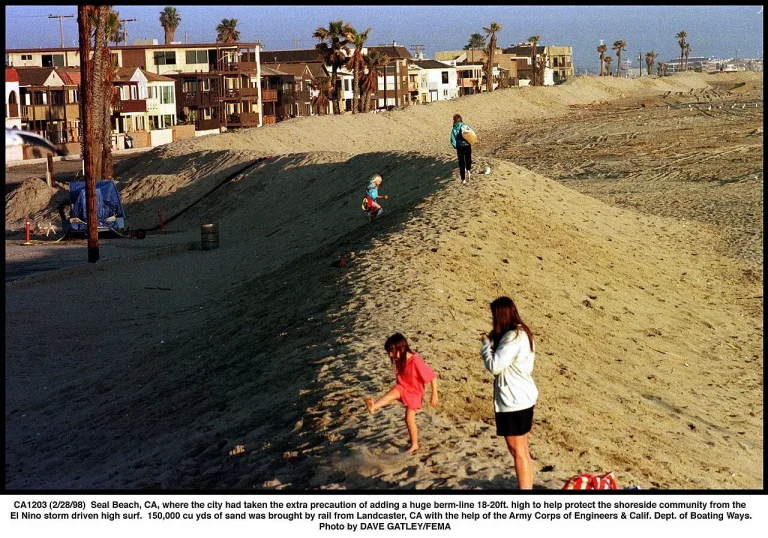
Satellite sea-level maps put this year's El Niño next to the 1997-98 monster, and NOAA still expects a strong to very strong event through early 2027.
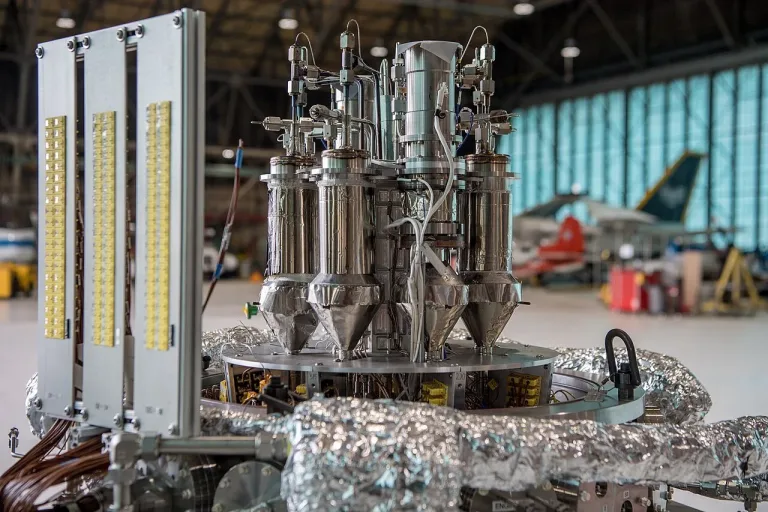
NASA asked industry on 23 November to design and test Lunar Reactor-1, a 20-kilowatt fission system meant to be ready to launch by 2030 and run for five years or more.
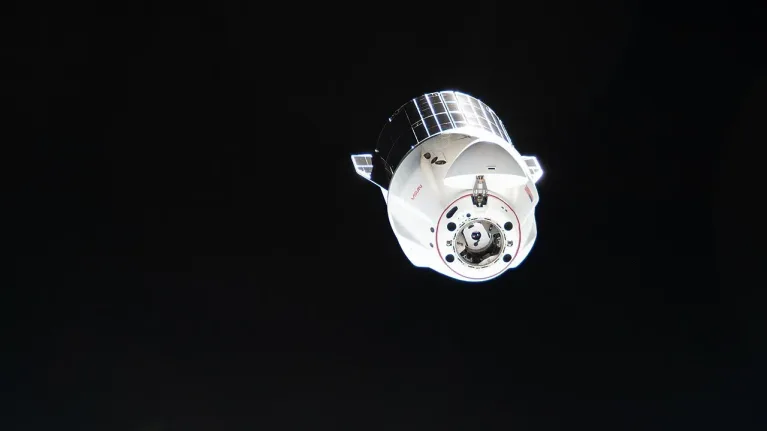
SpaceX's CRS-35 Dragon undocked from the space station on 20 November carrying research samples, with a Pacific splashdown off California planned for 21 November.
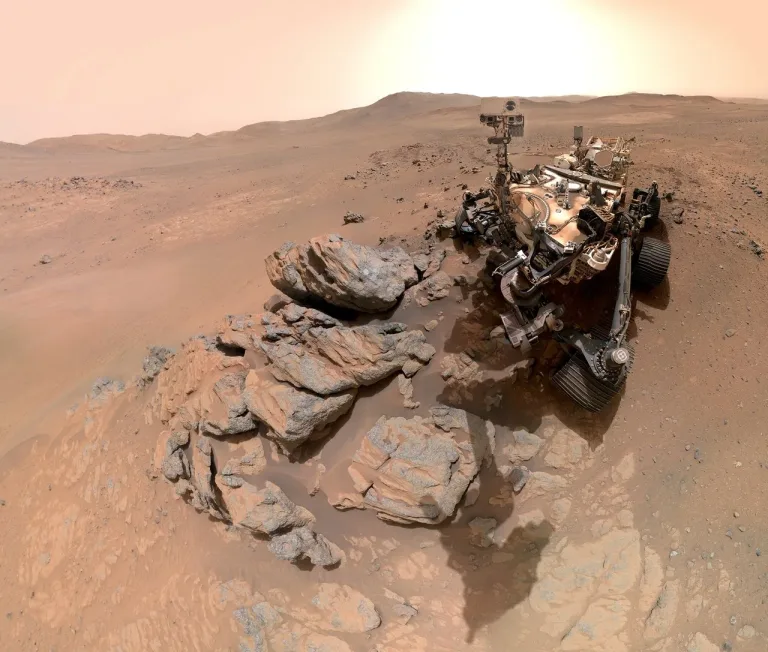
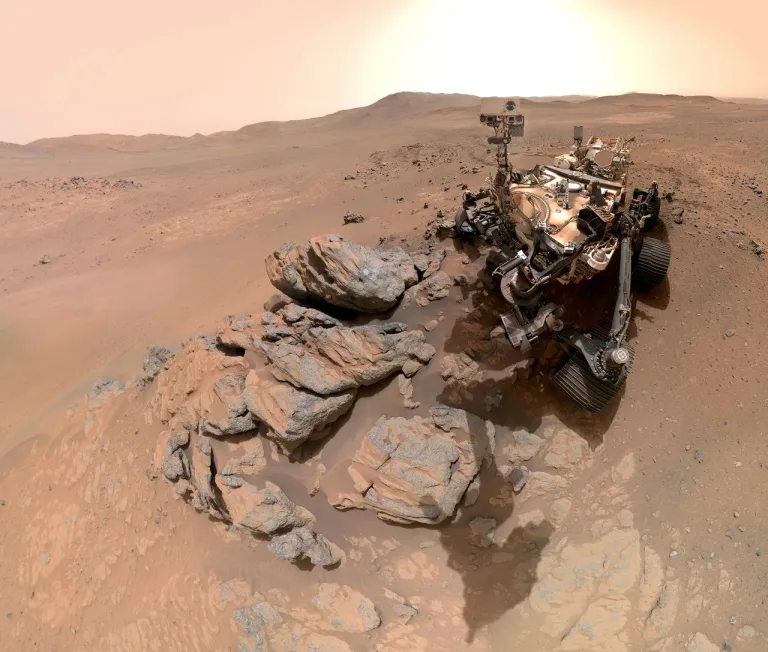
NASA said on 19 November that Perseverance and the Mars Odyssey orbiter have both stopped science work, and it hopes each can resume by the end of the month.
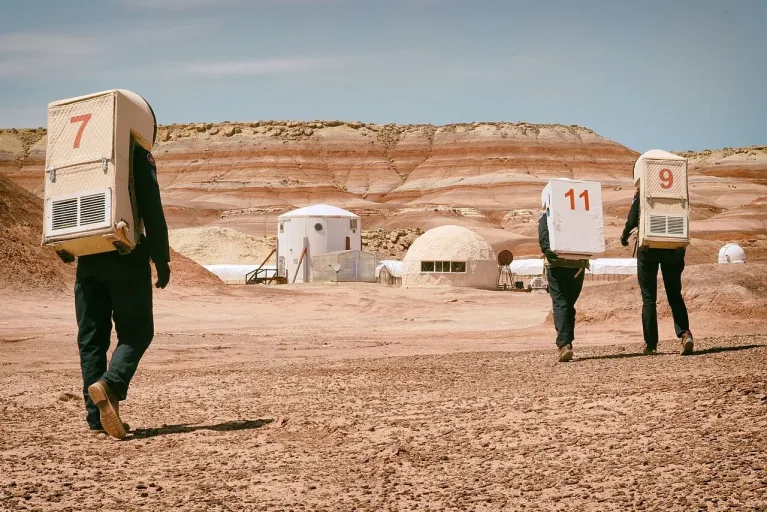
Four volunteers walked out of the Mars Dune Alpha habitat in Houston on 31 October after 378 days, and NASA says their data will inform Moon Base and Mars planning.
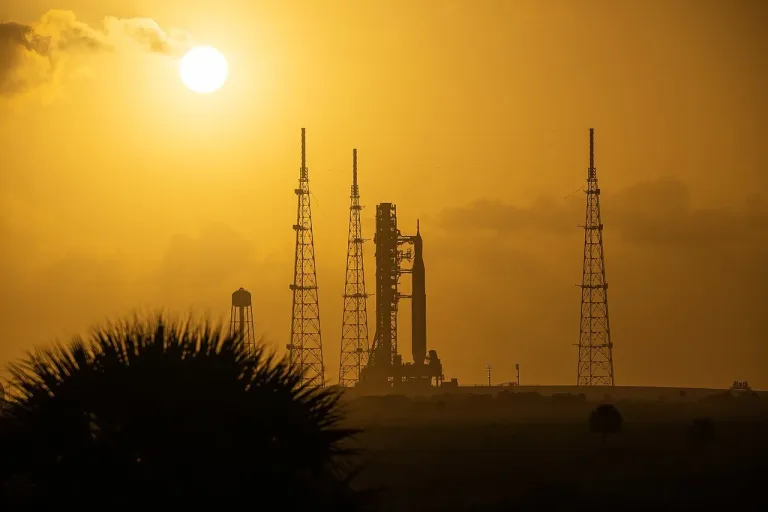
NASA's updated Artemis schedule puts a four-person Earth-orbit lander test in 2027 and a crewed landing in 2028, with SpaceX and Blue Origin both kept in play.
NASA and NOAA ranked this year's hole seventh largest in 48 years of records, driven by an unusually strong polar vortex, and still expect recovery by the 2070s.
Both ESCAPADE spacecraft completed powered Earth flybys on 7 and 9 November, a first for NASA, and are now on a roughly 10-month cruise to Mars.
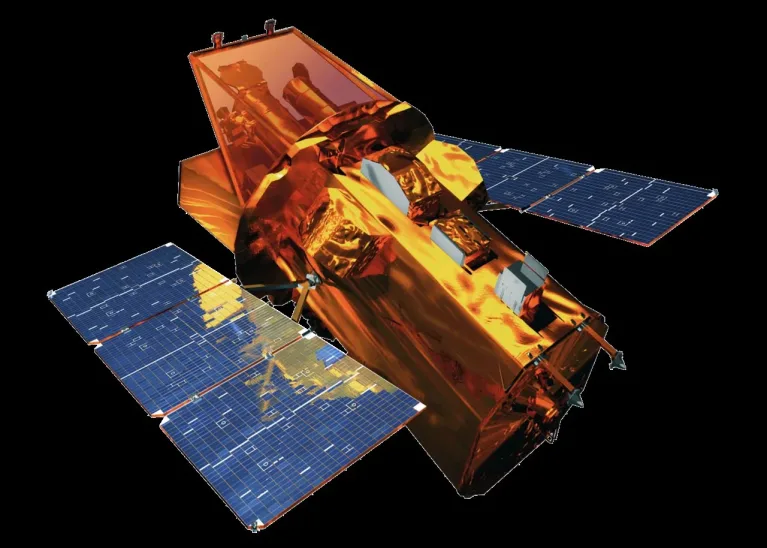
NASA's Swift gamma-ray observatory re-entered the atmosphere over North Sumatra on 4 November after atmospheric drag pulled it down following a surge in solar activity.
Perseverance passed Opportunity's total distance on 11 October after five and a half years on Mars, a feat that took its predecessor almost 15 years, mostly by driving itself.