FIFA Confirms Cyberattack as Hackers Reportedly Posed as Its Staff
FIFA says criminals gained unauthorised access to a limited set of personal and business data, while a group claiming 12.2GB of files says it was in it for the money.
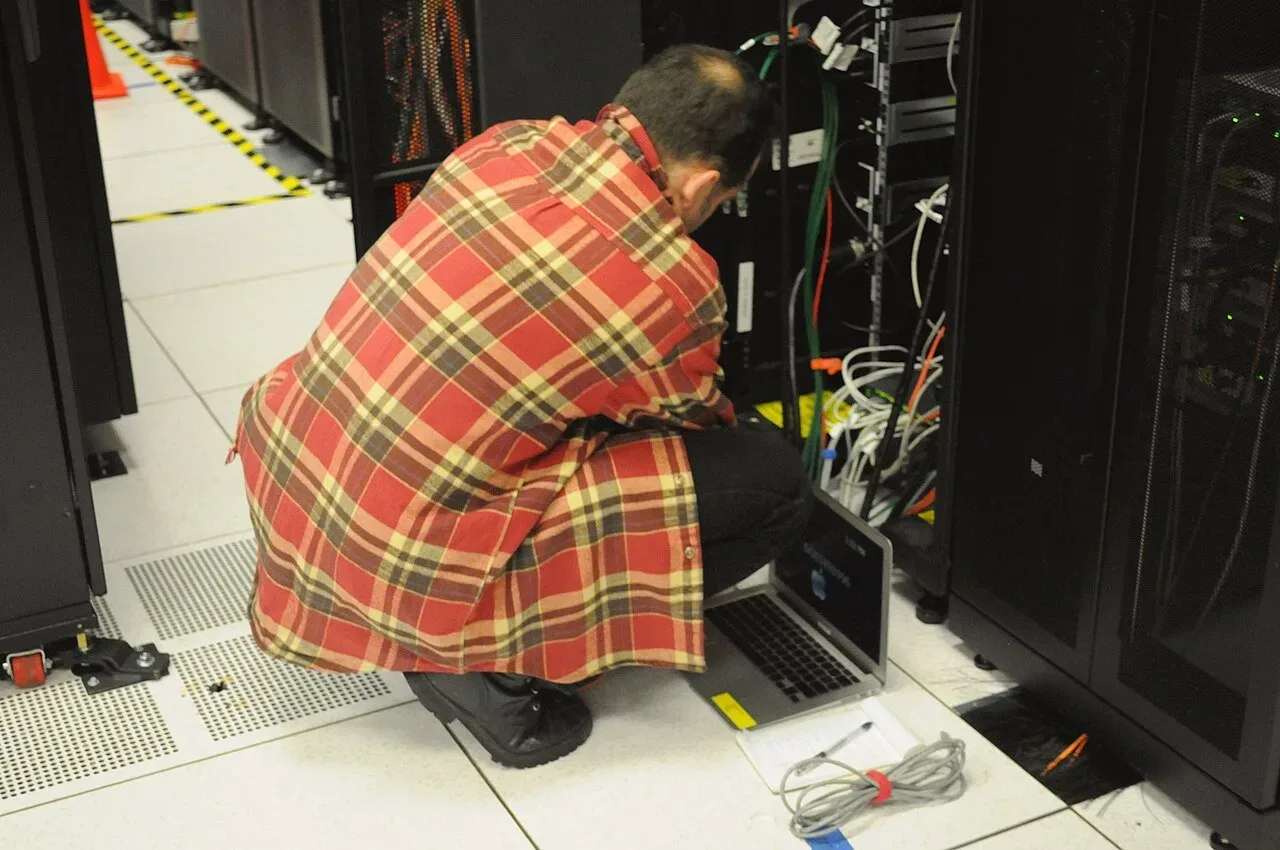
Threats, defences and the economics of digital risk.
FIFA says criminals gained unauthorised access to a limited set of personal and business data, while a group claiming 12.2GB of files says it was in it for the money.
Norway's security authority says an unknown actor went after tokens and secrets in Microsoft's API gateway, and it wants every customer to assume those secrets are exposed.
All three financial firms say outside providers, not their own systems, were hit, while an extortion gang has posted what it claims is customer data.
Attackers are using an unpatched Apache Axis 1.x bug to run code on Confluence Data Center and N-able N-central, and CISA wants federal agencies fixed by November 21.
Wiz says an attacker used stolen Qubole credentials to enter customer AWS accounts through trust roles that many firms had forgotten to remove.
Only the sender and the recipient hold the keys to an end-to-end encrypted chat, yet metadata, backups and compromised phones can still expose you.
CISA says attackers are exploiting CVE-2026-119977, an 18-year-old race condition in the WordPress updater that can give code execution to anyone on the internet.
Google fixed CVE-2026-125350, a use-after-free bug in Chrome's XML component that attackers already exploit, in a stable update that also carries eight other security fixes.
CISA confirmed attacks on CVE-2026-124194, an Outlook flaw that can leak a Windows password hash, and set a 24 November deadline for federal agencies to patch.
A password manager remembers a unique, random password for every account, so you only have to remember one strong passphrase and protect it well.
Zero trust drops the idea that anything inside the network is safe, and instead checks who is asking, from what device and for what, every time access is requested.
Ransomware locks your files and often steals them first, so the best defences are offline backups, patched software and strong sign-ins rather than hoping to pay your way out.
Two poisoned releases within eight days put credential-stealing code inside tools that developers trust. Here is what happened and how to check your own machines.