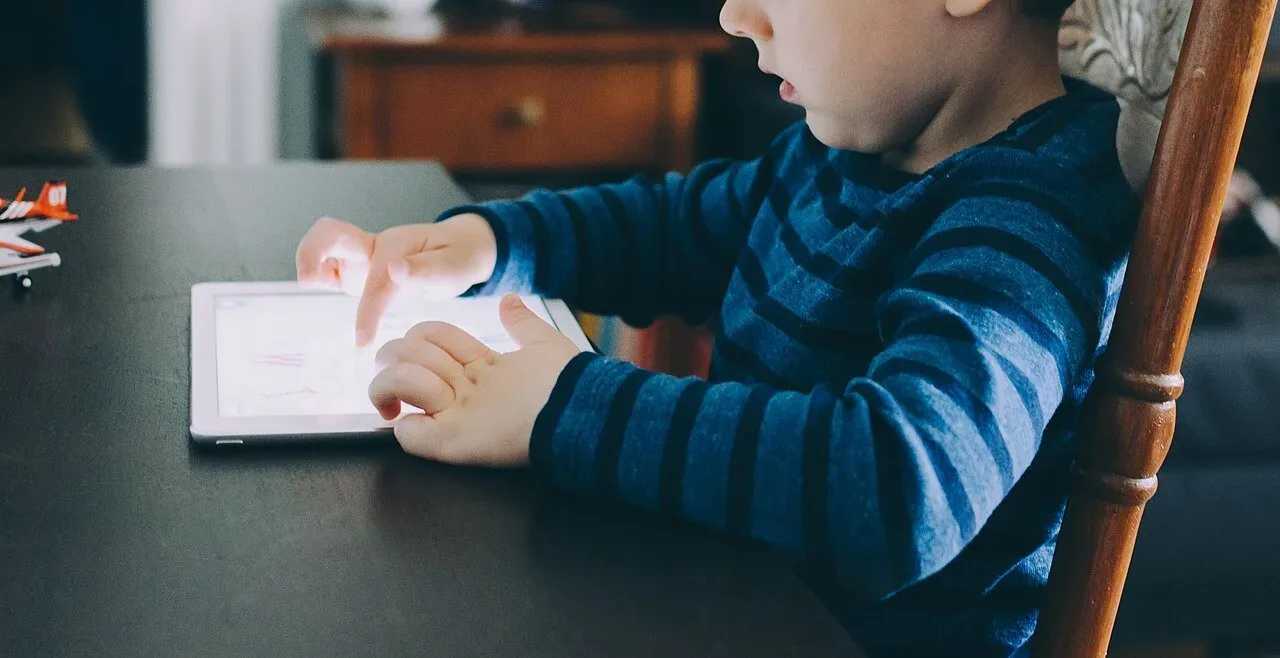
Screen Time at Age 1 and 6 Linked to Weaker Memory and Grades
A Singapore study that followed 502 children found that screen viewing at age 1 and again at age 6 was tied to weaker school results and working memory, though it shows association only.
Research, discovery and the frontiers of what we know.
A Singapore study that followed 502 children found that screen viewing at age 1 and again at age 6 was tied to weaker school results and working memory, though it shows association only.
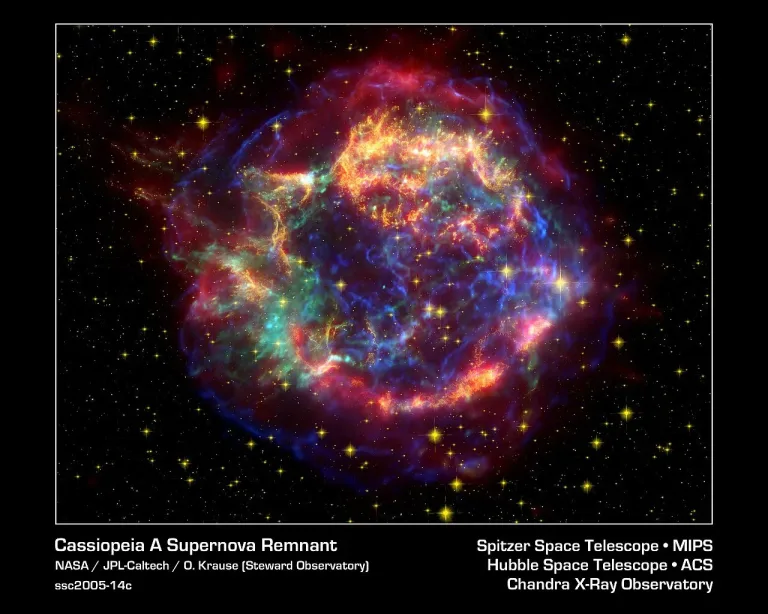
Webb's mid-infrared view of Cassiopeia A suggests layers inside the doomed star mixed in the hours before collapse, based on the chemistry of the dust it left behind.
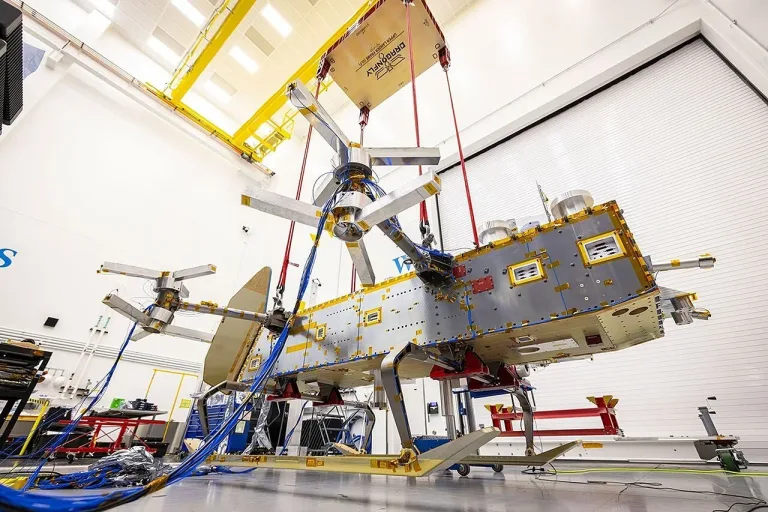
All seven DragonCam science cameras are now installed on NASA's Dragonfly, a car-sized rotorcraft being built at Johns Hopkins APL for a July 2028 launch to Titan.
University of Sydney researchers say 23 percent of people in a large Australian genetic study had a circadian subtype of depression that responded less well to SSRIs.
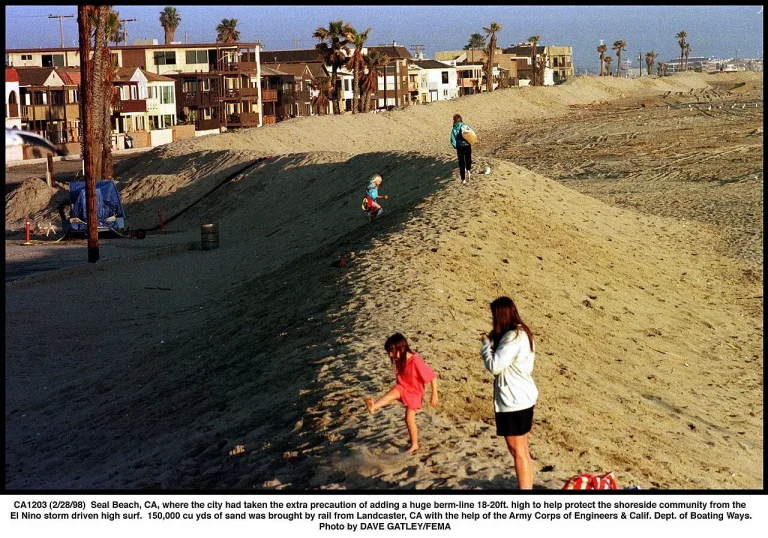
Satellite sea-level maps put this year's El Niño next to the 1997-98 monster, and NOAA still expects a strong to very strong event through early 2027.
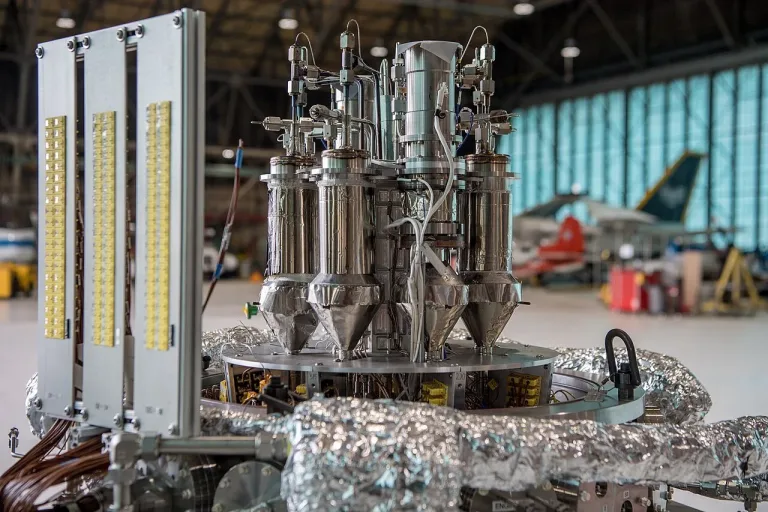
NASA asked industry on 23 November to design and test Lunar Reactor-1, a 20-kilowatt fission system meant to be ready to launch by 2030 and run for five years or more.
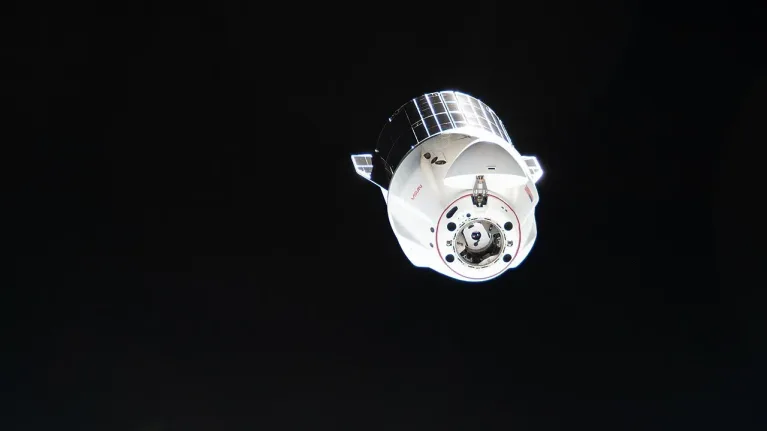
SpaceX's CRS-35 Dragon undocked from the space station on 20 November carrying research samples, with a Pacific splashdown off California planned for 21 November.
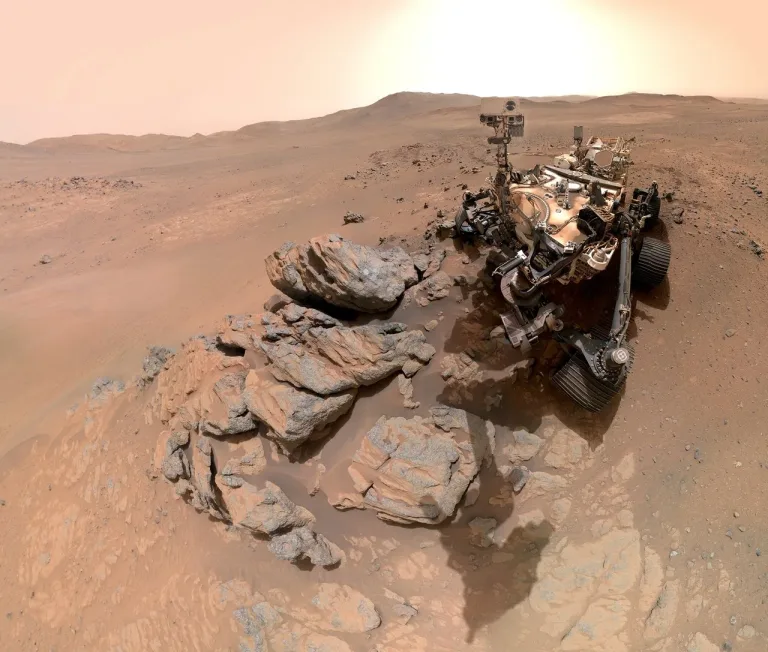
NASA said on 19 November that Perseverance and the Mars Odyssey orbiter have both stopped science work, and it hopes each can resume by the end of the month.
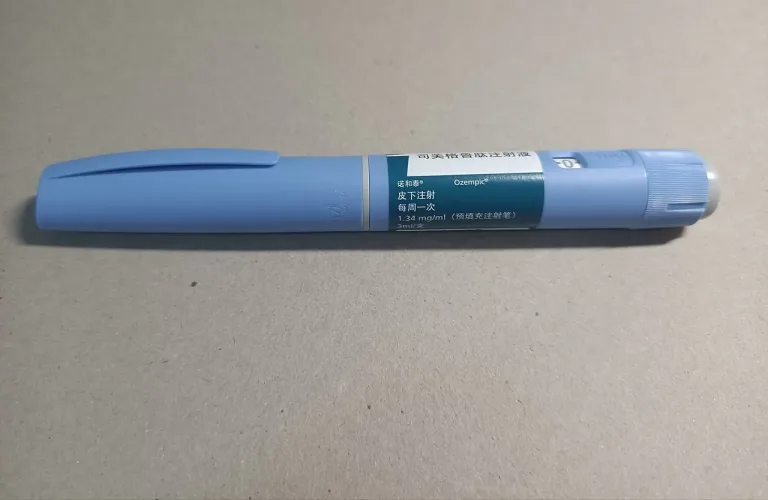
Researchers at the University of Alberta say a slowing metabolism may help explain why semaglutide results vary, but the evidence so far is thin and inconclusive.
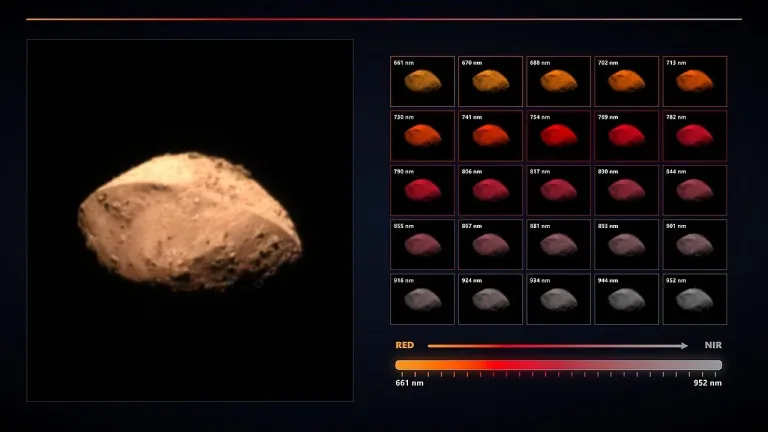
ESA's Hera has reached the Didymos asteroid pair and started flying rectangular orbits, the first step in checking what NASA's 2022 DART impact did to Dimorphos.
A Mayo Clinic study of 70 partially functional BRCA2 variants puts lifetime breast cancer risk at 20% to 25%, well below the 50% to 70% seen with more harmful variants.
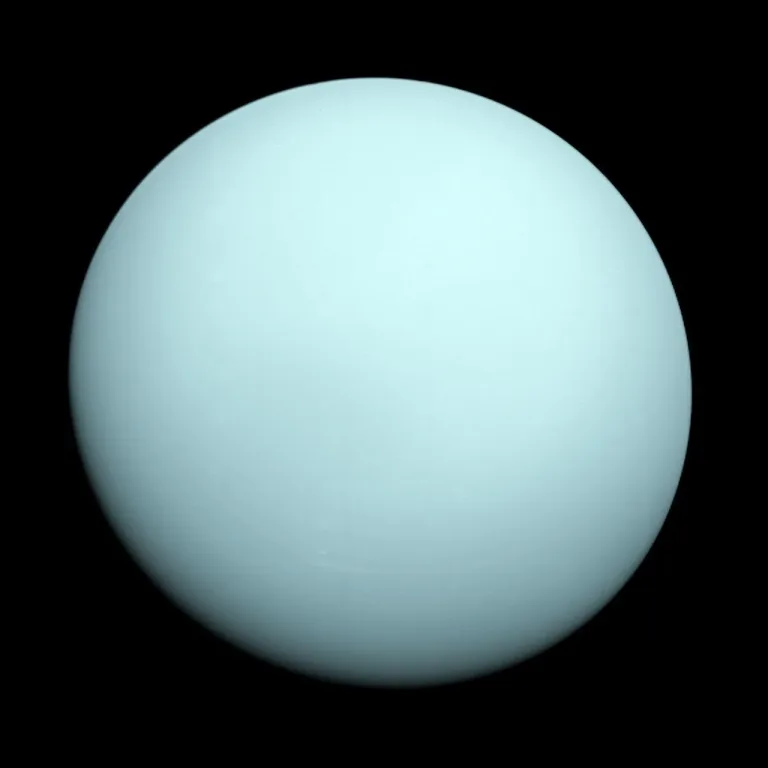
A study in Communications Physics says ionic water deep inside Uranus and Neptune can produce their tilted, off-centre fields, and that the fields may swing within decades.
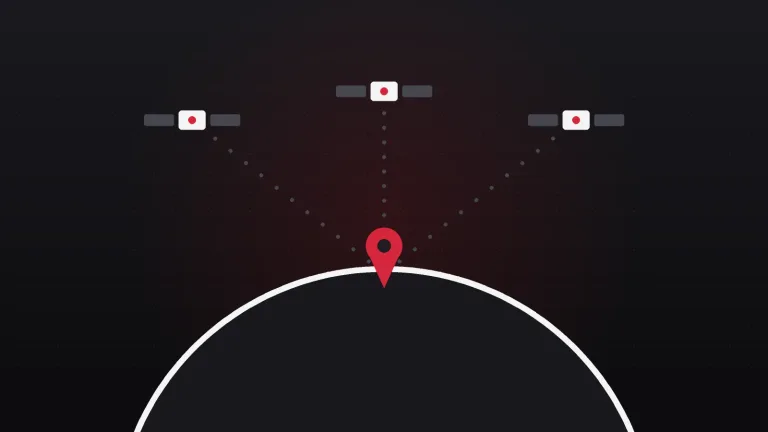
Satellites broadcast the time, and your receiver turns the delay in each signal into a distance, then into a position typically good to a few metres.