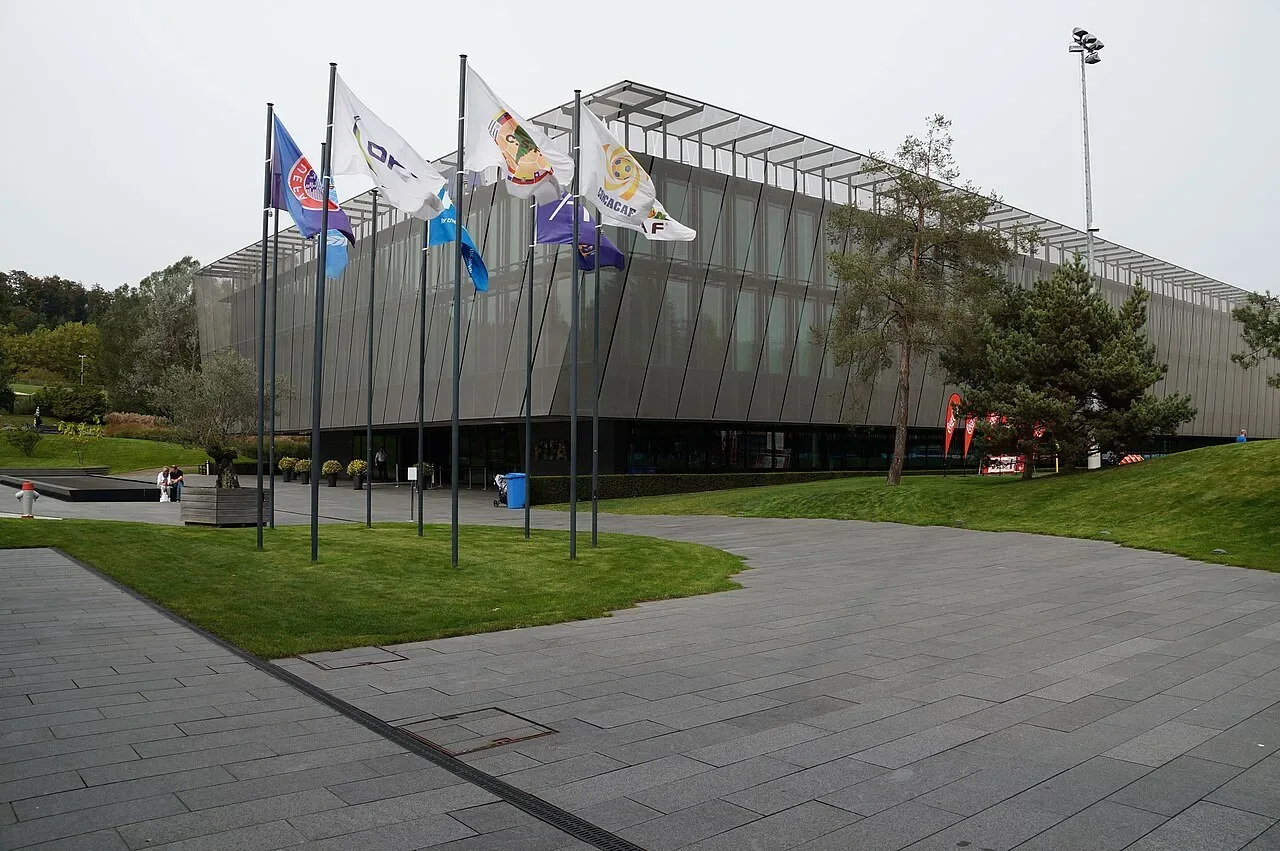
FIFA confirmed a criminal cyberattack that gave intruders unauthorised access to a limited set of personal and business information. Sources say the attackers impersonated staff. A group called the Handsome Boy Hacking Club claims 12.2GB of files. FIFA has not confirmed the figure, the date or who is affected.
Table of contents 6 sections
- FIFA confirmed a criminal cyberattack that exposed a limited set of personal and business information.
- Sources cited by The Athletic say the attackers impersonated FIFA staff rather than exploiting a software flaw.
- The Handsome Boy Hacking Club claims 12.2GB of stolen files, but nobody has independently verified them.
- A source told Reuters the breach covers under 0.1 percent of FIFA's data, a figure FIFA has not confirmed.
- FIFA has not said when the attack happened or how many people are affected.
FIFA has confirmed it was hit by a criminal cyberattack, with statements reported on 25 and 26 November 2026. The FIFA cyberattack resulted in what the organisation called "unauthorised access to a limited set of personal and business information", and FIFA said it is working with the authorities, including law enforcement.
FIFA has been short on detail. It has not said when the intrusion happened, how many people are affected or what the business information contains. Most of what is known about the method and the size of the theft comes from unnamed sources and from the group that says it did it.
What has FIFA said about the FIFA cyberattack?
In its statement FIFA described itself as the victim of a criminal cyberattack and condemned the unlawful acquisition and publication of data, particularly personal data. It also warned that the theft could "have significant consequences for the individuals concerned", according to SOFX's report on the confirmation.
In the FIFA cyberattack statement, the word "publication" matters. It suggests some of the stolen material is already public, although FIFA has not said where. The Zurich-based body, which has about 700 employees and 211 member associations, holds data on players, match officials and those associations.
Who says they did it, and what they claim
A group calling itself the Handsome Boy Hacking Club appears to have taken credit, though FIFA has not named it. According to tech-ish's account, the group posted a thread on 21 November headed "FIFA [12.2GB]" on a hacking forum. It claimed the files were exported from FIFA's Microsoft environment and listed identity documents, immigration records, executive information, financial data and legal documents.
The group also said it tried to extort FIFA, failed, and is "purely financially motivated". It promised more leaks. Its X account has since been suspended, and no researcher has confirmed that the files are genuine. Treat every one of those claims as unverified until FIFA or an independent analyst says otherwise.
How did the FIFA cyberattack start?
Unnamed people familiar with the incident told several newsrooms that the attackers posed as FIFA staff. SOFX attributes this to FIFA sources cited by The Athletic. If that is right, the entry point was social engineering, meaning a person was convinced to help, and not a software flaw.
FIFA has not said how staff were impersonated. It is unknown whether the attackers phoned a help desk, sent emails or used stolen credentials. The pattern is familiar to anyone who has followed help-desk attacks: a caller who knows enough personal detail to sound real, and a one-time code read out loud to someone who should never have asked for it. Our guide on how to spot a phishing email covers the written version of the same trick.
How big is the FIFA data breach?
The scale of the FIFA cyberattack depends on whom you believe. The group claims more than 12 gigabytes. A person familiar with the matter told Reuters the breach affected under 0.1 percent of FIFA's data and did not include files from the abandoned FIFA Forward Enterprise project, according to SOFX. FIFA has not confirmed that figure.
The two numbers do not contradict each other, but they cannot be compared either. FIFA has not said how much data it holds, so a percentage means little without a denominator. A small fraction of a very large archive can still contain passports and legal files.
Forward Enterprise is the plan FIFA scrapped in July after backlash. It would have raised up to $4.2 billion by selling a 20 percent stake in a new unit running FIFA's tournaments. That the stolen data reportedly excludes it is a point FIFA's sources chose to stress, which is not the same as FIFA saying so on the record.
What is still unknown about the FIFA cyberattack
- When the attack happened. The earliest listing for the group on a ransomware tracker is dated 19 November, but that is not the date of the intrusion.
- How many people or organisations are affected, and whether staff, officials or World Cup ticket buyers are among them.
- What the "business information" is.
- Whether FIFA has told the Swiss data protection commissioner. tech-ish notes that Swiss law requires notification as soon as possible when a breach is likely to pose a high risk, and FIFA has not said whether it has done so.
The FIFA cyberattack also lands in a crowded week for breach news. SOFX reports that La Liga said on Monday that hackers had stolen fan data from its systems and those of several clubs, though no link to the FIFA case has been reported.
What to watch, and what to do now
Watch for three things. First, whether FIFA publishes a fuller notice that says who is affected and when. Second, whether independent researchers authenticate the leaked files. Third, whether the group follows through on its promise of more leaks.
After the FIFA cyberattack, if you work with FIFA or a national association, expect targeted phishing that uses details from the leak, and be wary of any caller who knows your details but asks for a code or a password reset. Turn on an authenticator app or a security key where you can, as we explain in our comparison of SMS codes, apps and security keys. If anyone phones you and asks you to read out a one-time code, hang up and call back on a number you already trust.

0 comments
No comments yet — be the first.