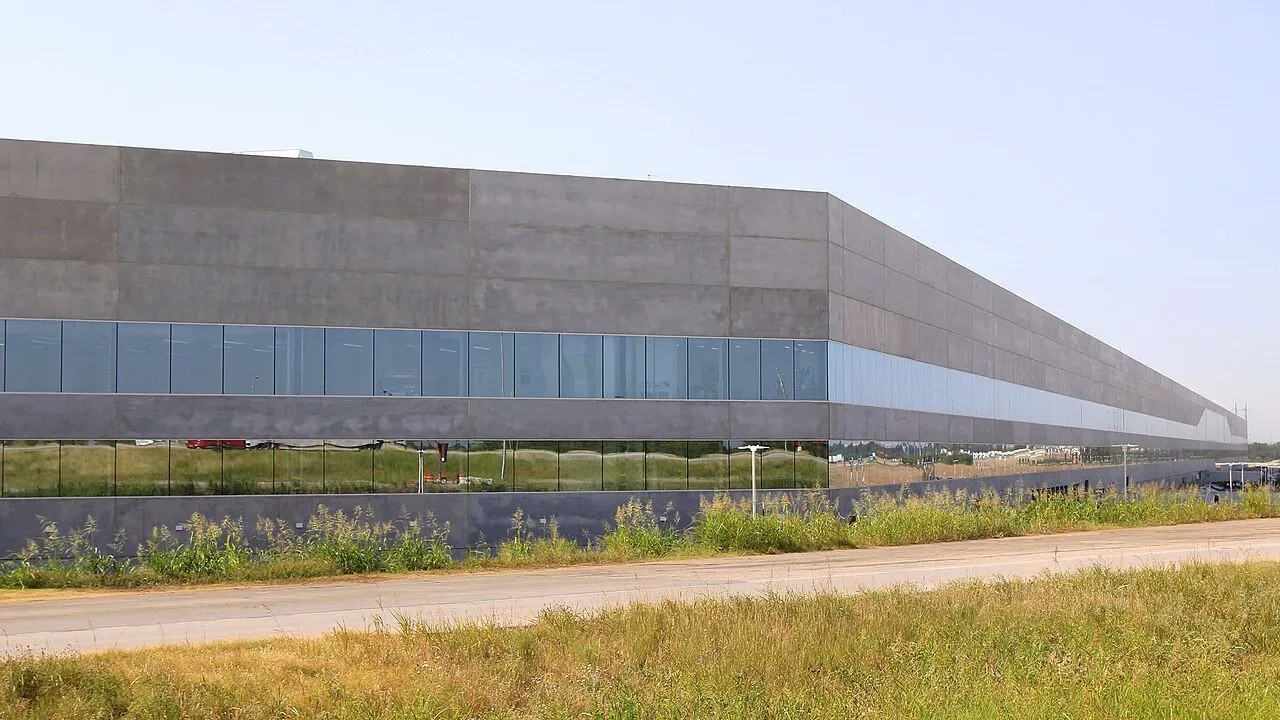
Tesla reported on 21 October 2026 that third-quarter revenue was flat at $28.05 billion and net income fell 43% to $787 million. Operating income dropped 56% to $718 million, a 2.6% margin, as spending on AI, robotaxis and Optimus robots rose. Adjusted earnings were $0.48 a share.
Table of contents 5 sections
- Tesla's third-quarter 2026 revenue was flat at $28.05 billion.
- Net income fell 43% to $787 million and operating margin shrank to 2.6%.
- Research and development spending rose 69% to $2.76 billion.
- Active FSD subscriptions reached 1.74 million, up 67% from a year earlier.
- Tesla aims to deliver Cybercabs to customers before the end of 2026.
Tesla earnings for the third quarter showed a car company standing still and a technology company spending heavily to become something else. Tesla reported on 21 October that revenue was flat at $28.05 billion while net income attributable to shareholders fell 43% to $787 million, and operating income dropped 56% to $718 million.
That left an operating margin of 2.6%. A year earlier Tesla made $1.62 billion of operating income on almost identical revenue, so the question raised by these Tesla earnings is how long the spending phase lasts.
Tesla earnings in numbers
The figures below come from Tesla's third-quarter update as reported by Drive Tesla Canada and Decrypt, and from the production and delivery report Tesla filed with the SEC earlier in October.
- Revenue: $28.05 billion, flat year on year.
- Net income: $787 million on a GAAP basis, $1.70 billion adjusted.
- Earnings per share: $0.22 GAAP and $0.48 adjusted.
- Gross margin: 19.6% on a GAAP basis, up from 18.0% a year earlier.
- Regulatory credit revenue: $113 million, down from $417 million.
- Operating expenses: up 39% to $4.78 billion.
- Free cash flow: about $1.5 billion, down 62%, after $4.73 billion of capital spending.
- Deliveries: 486,532 vehicles, against 497,099 a year earlier.
Adjusted earnings more than doubled the GAAP figure, and the gross margin improved. In Tesla earnings this quarter, the good news sat at the top of the income statement. The damage came below the gross profit line, in research and administrative costs.
Why Tesla's profit fell while margins on cars improved
Research and development spending rose 69% to $2.76 billion, according to Decrypt. Total operating expenses rose 39% to about $4.8 billion, and capital spending more than doubled from a year earlier.
Put plainly, Tesla is selling roughly the same number of cars at slightly better margins and using the profit to fund three other businesses: robotaxis, humanoid robots and AI computing. That choice is deliberate. Whether it is wise depends on whether those projects produce revenue on the schedule Elon Musk is promising.
Energy, often cited as Tesla's steady second business, did not help this quarter. Energy generation and storage revenue fell 16% to about $2.9 billion, partly because of tariff-related customer refunds, according to Drive Tesla Canada. Storage deployments rose to 13.7 GWh. Services and other revenue was the bright spot, up 33% to $4.6 billion.
Cybercab, robotaxi and FSD: what Tesla says is coming
The Cybercab, a two-seat robotaxi with no steering wheel or pedals, began giving rides in Austin on 3 September. Tesla said cumulative unsupervised robotaxi miles reached nearly 2 million by the end of the quarter. "We're trying to get Cybercabs to customers by the end of this year, 2026," vice president of vehicle engineering Lars Moravy said on the call, per Decrypt. No buyer or price has been announced.
Musk said the robotaxi business should become noticeable in Tesla's financials in the second quarter of 2027. Tesla has not disclosed any robotaxi revenue so far. Decrypt also notes that a federal safety audit is open, with sworn answers to regulators due on 30 October.
The clearest near-term money is software. More than 75% of new North American deliveries included Full Self-Driving, and active FSD subscriptions reached 1.74 million, up 67% year on year. That figure includes both upfront purchases and monthly subscribers.
Optimus production begins in Fremont
Tesla has started building its Optimus humanoid robot on high-volume lines in Fremont, California. "The bots coming off this line are the first production-quality bots that we have manufactured," the shareholder letter said. Musk's target is 20,000 units a week, which he said will take at least a year, and deliveries to outside customers are expected around the end of 2027.
Skepticism is fair. Tesla missed an earlier goal of about 10,000 robots in 2025, and Musk himself called the robot's hand the hardest hardware problem. The Semi, by contrast, is now in volume production in Nevada.
All of this sits next to a bigger story: Tesla and SpaceX have each formed special committees to study a possible merger. Musk said on the call that the shareholder approval threshold for Tesla is "quite a high hurdle."
What Tesla investors and buyers should watch
Three dates matter. The regulatory response on the Cybercab audit is due at the end of October. Tesla's annual shareholder meeting is on 3 December, with no merger vote on the agenda. And the first Cybercab customer deliveries, if they happen, are promised before year end.
For car buyers, the takeaway is simpler. Tesla gave no numeric delivery guidance for the coming quarters, and deliveries were down 2% from a year earlier. Buyers should not expect the product lineup to drive the story in the near term: the company's attention, and its spending, is on autonomy and robots. For investors weighing the shift from car sales to software and robots, our explainer on free cash flow explains why the $1.5 billion figure, down 62% from a year ago, deserves as much attention as the headline loss of profit.
Frequently asked
- Tesla Third Quarter 2026 Production, Deliveries and Deployments (Form 8-K, Exhibit 99.1) — Tesla / U.S. Securities and Exchange Commission
- Tesla Q3 2026 Earnings: Revenue Holds at $28 Billion as Profit Falls and Cybercab Robotaxi Rides Begin — Drive Tesla Canada
- Tesla Q3 Earnings 2026 results — Vested Finance
- Tesla's profit drops as Musk bets on robots and driverless cabs — Decrypt
0 comments
No comments yet — be the first.