Why November's Tech Outages Keep Pointing Back to Updates and Maintenance
From Microsoft 365 and the FAA to the NSA and Apple, companies and officials cite software defects and maintenance, while Forrester blames years of technical debt.
Infrastructure, enterprise software and the people who keep systems running.
From Microsoft 365 and the FAA to the NSA and Apple, companies and officials cite software defects and maintenance, while Forrester blames years of technical debt.
Google's threat team says a suspected China-linked group used the vCenter authentication bypass weeks before Broadcom's 19 November patch, so admins have more than a routine update to run.
Existing tasks will not migrate, personal accounts get no Planner, and Microsoft has yet to publish export steps for people who need to leave.
Microsoft shipped PowerShell 7.7 on 10 November with a new temp-directory cmdlet, hardening work and breaking changes that can affect scripts using New-Guid.
IPv6 replaces IPv4's 32-bit addresses with 128-bit ones, giving the internet room to grow after the central IPv4 pool ran dry in 2011 and reducing reliance on NAT.
Public repositories lose a trigger that has fed repeated CI/CD attacks unless maintainers allow it by policy, and a second two-hour test block lands on 16 November.
Servers that dropped offline pushed load onto the rest of Microsoft's infrastructure on 12 November, leaving Outlook mail and other services unreachable for many users.
November's KB5132061 update adds a recovery option that downloads Windows and drivers from Microsoft and reinstalls the system, even on a PC that will not start.
Serverless computing still runs on servers, but the cloud provider owns, patches and scales them while you pay only for the moments your code runs.
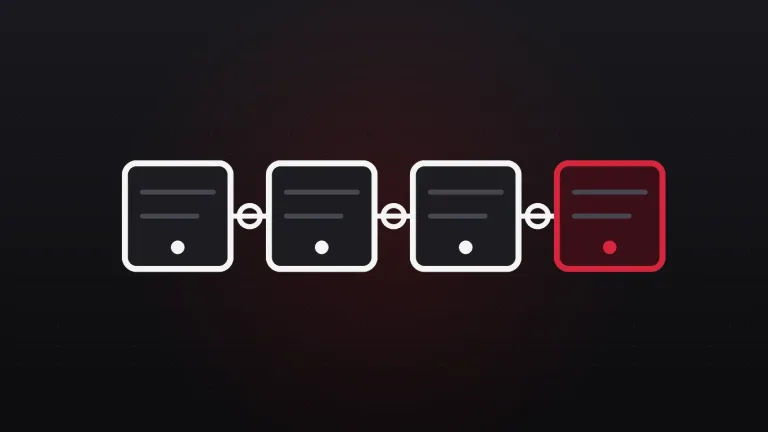
A blockchain is a shared ledger in which every block carries the fingerprint of the one before it, so changing history is easy to spot and costly to attempt.
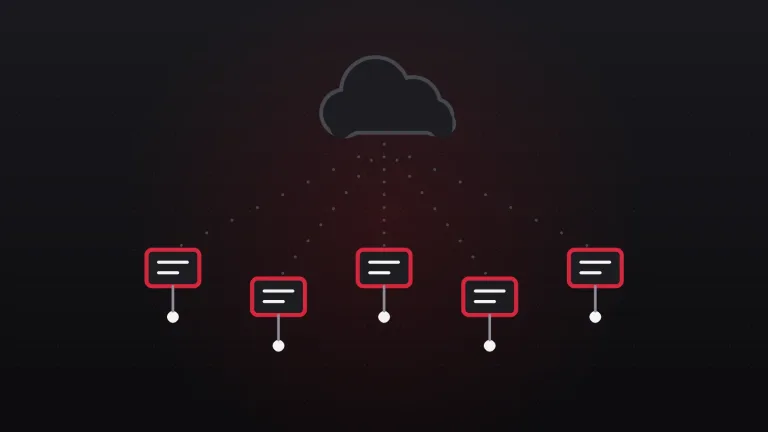
By processing data on or near the device that produces it, edge computing trims delay and bandwidth, but it adds many small sites to manage and secure.
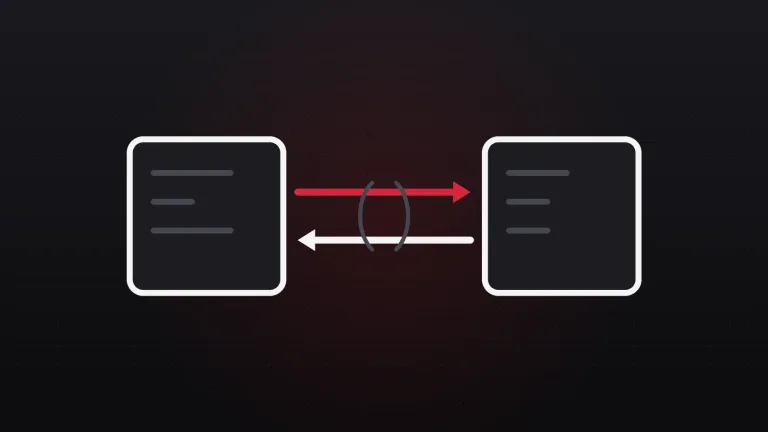
An API is a documented way for one program to ask another for data or an action, which is how weather widgets, payment buttons and AI apps plug into other services.
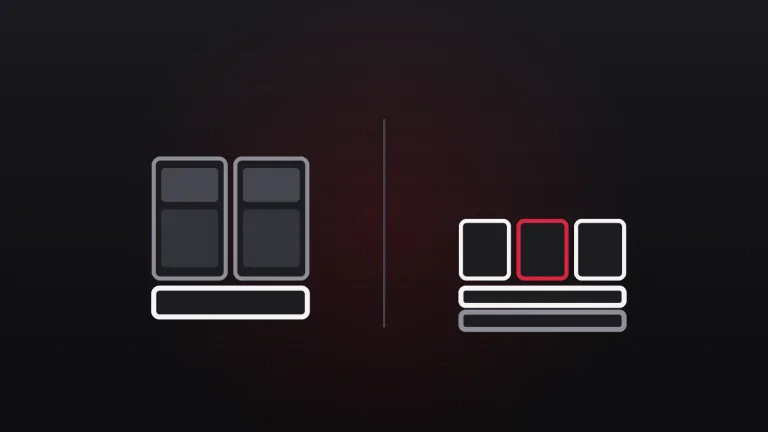
A virtual machine carries its own operating system while a container shares the host's kernel, which explains the differences in size, speed and isolation.