Perseverance Rover Radio Fault Pauses Science at Mars as Odyssey Stalls
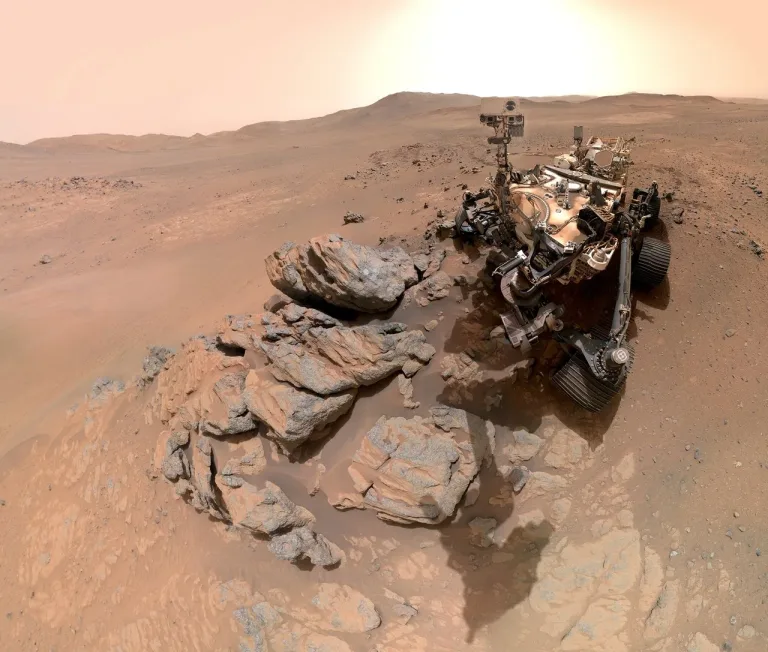
NASA said on 19 November that Perseverance and the Mars Odyssey orbiter have both stopped science work, and it hopes each can resume by the end of the month.
Research, discovery and the frontiers of what we know.
NASA said on 19 November that Perseverance and the Mars Odyssey orbiter have both stopped science work, and it hopes each can resume by the end of the month.
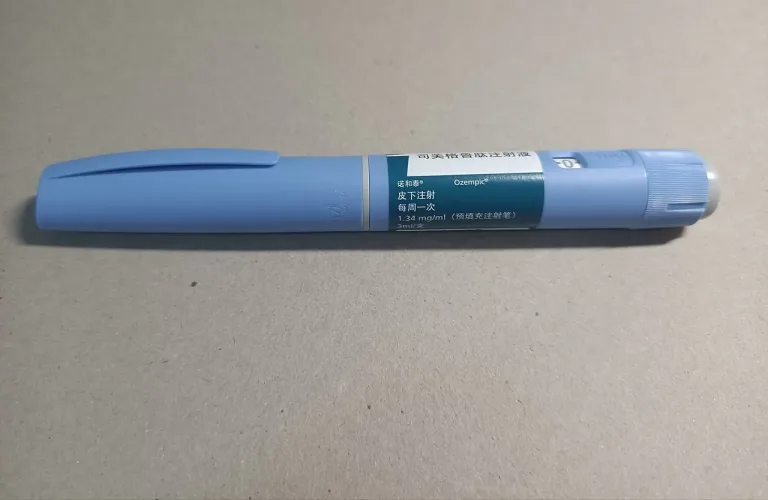
Researchers at the University of Alberta say a slowing metabolism may help explain why semaglutide results vary, but the evidence so far is thin and inconclusive.
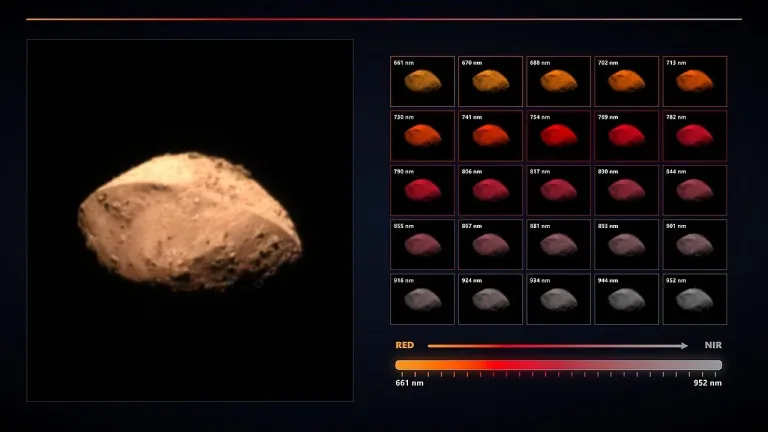
ESA's Hera has reached the Didymos asteroid pair and started flying rectangular orbits, the first step in checking what NASA's 2022 DART impact did to Dimorphos.
A Mayo Clinic study of 70 partially functional BRCA2 variants puts lifetime breast cancer risk at 20% to 25%, well below the 50% to 70% seen with more harmful variants.
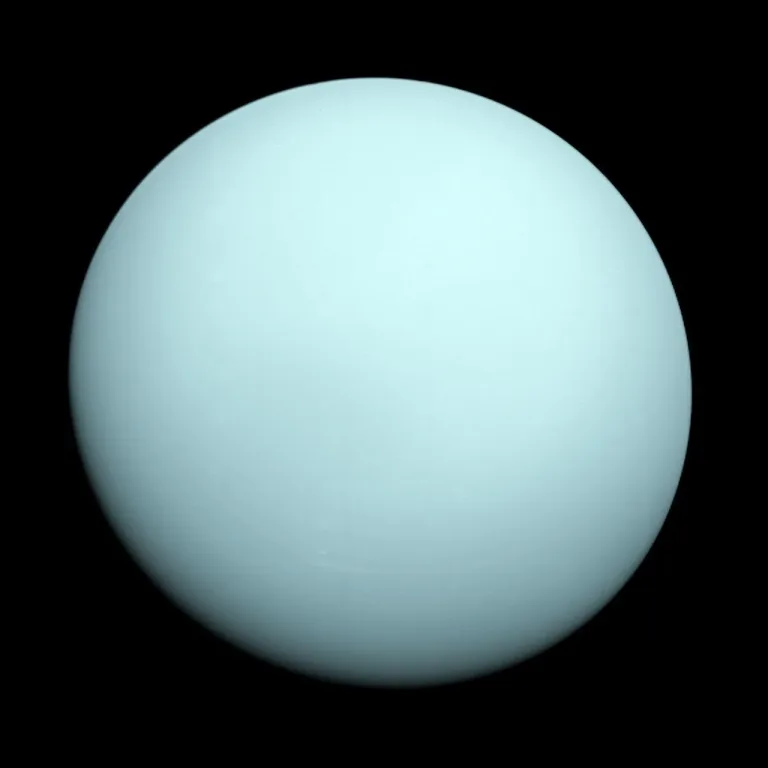
A study in Communications Physics says ionic water deep inside Uranus and Neptune can produce their tilted, off-centre fields, and that the fields may swing within decades.
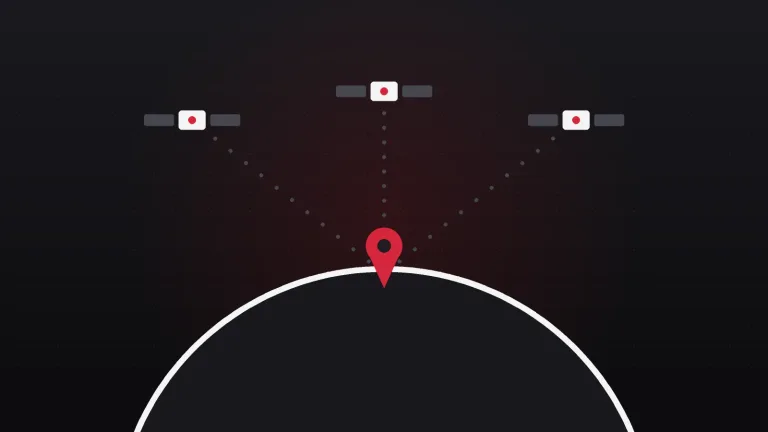
Satellites broadcast the time, and your receiver turns the delay in each signal into a distance, then into a position typically good to a few metres.
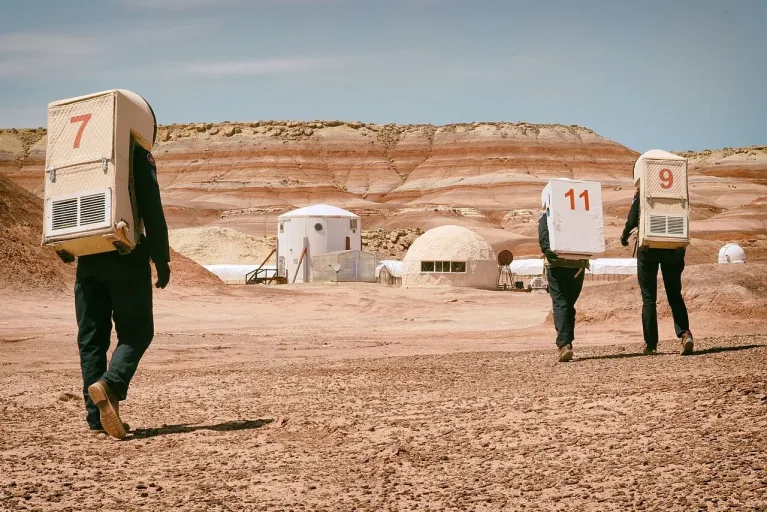
Four volunteers walked out of the Mars Dune Alpha habitat in Houston on 31 October after 378 days, and NASA says their data will inform Moon Base and Mars planning.
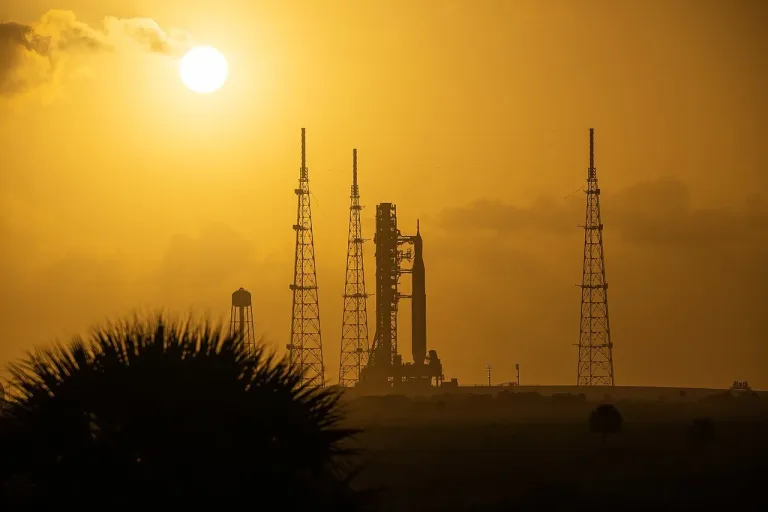
NASA's updated Artemis schedule puts a four-person Earth-orbit lander test in 2027 and a crewed landing in 2028, with SpaceX and Blue Origin both kept in play.
NASA and NOAA ranked this year's hole seventh largest in 48 years of records, driven by an unusually strong polar vortex, and still expect recovery by the 2070s.
An NIH analysis of the Sister Study links high blood levels of PFOA and PFOS to more ER-negative breast cancer, though it shows an association and not a cause.
Both ESCAPADE spacecraft completed powered Earth flybys on 7 and 9 November, a first for NASA, and are now on a roughly 10-month cruise to Mars.
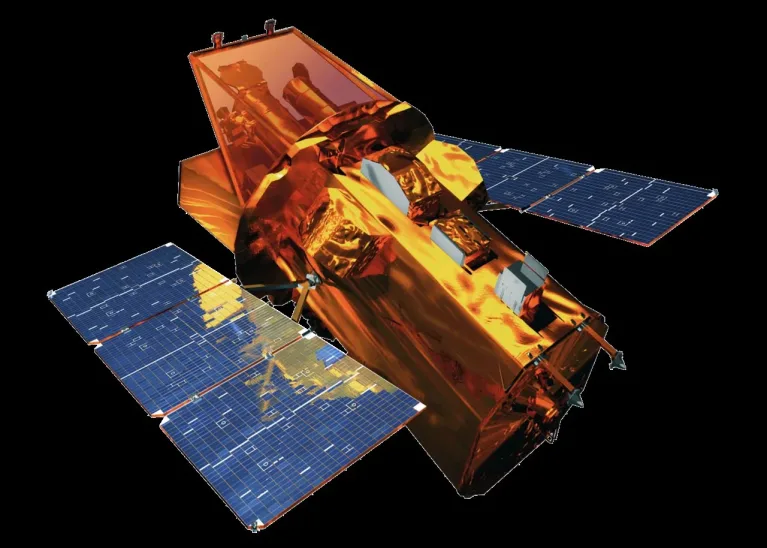
NASA's Swift gamma-ray observatory re-entered the atmosphere over North Sumatra on 4 November after atmospheric drag pulled it down following a surge in solar activity.