JPMorgan Chase, Visa and Mastercard each said on 19 November 2026 that outside vendors, not their own networks, were attacked. Chase says some names and emails may be affected, Visa says no card numbers were involved, and Mastercard cites a limited set of cardholder emails. A gang claims the data.
Table of contents 5 sections
- Chase, Visa and Mastercard all say third-party providers were attacked and that their own systems and payment networks were not affected.
- Chase says attackers reached marketing data that may include customer names and email addresses.
- Reuters found more than 16,000 customer emails in the Chase data the n0n gang posted but could not verify it.
- No company has named the vendors, given dates of the intrusions or published a count of affected customers.
- Treat messages that mention your card program as suspect, because contact details are enough to power convincing scams.
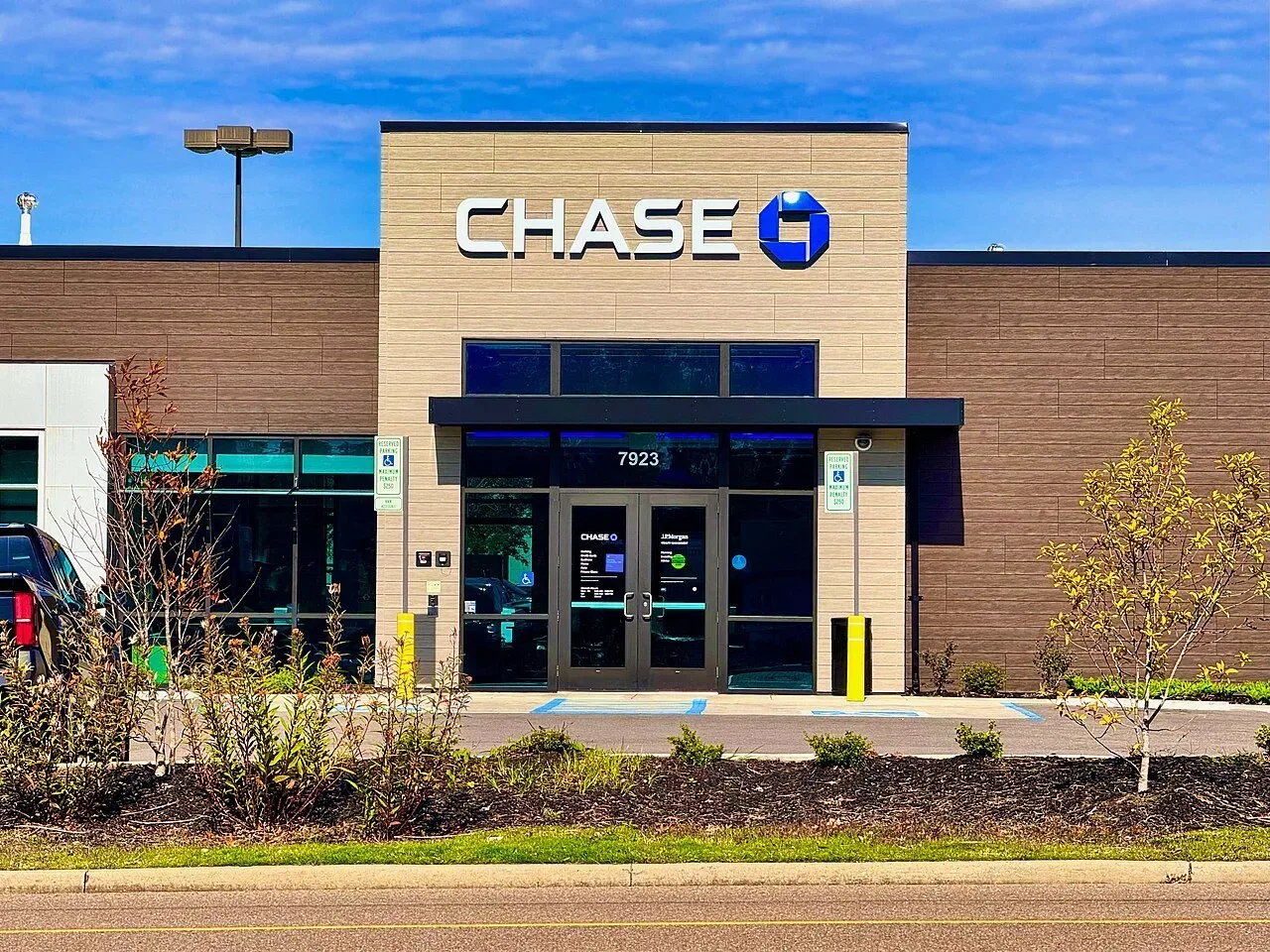
JPMorgan Chase said on Thursday, 19 November 2026, that attackers accessed marketing data held by third-party vendors that serve the bank, a Chase vendor breach that may include some customer names and email addresses. Visa and Mastercard confirmed similar incidents at outside providers the same day, after an extortion group called n0n claimed all three on its data-leak site.
What each company has confirmed about the Chase vendor breach
Chase said on X that third parties providing services to the firm were targeted. Its statement said that "based on our investigation so far, we believe the attackers accessed certain marketing data held by those vendors." The bank said its own services were not disrupted and that it would contact affected customers directly.
Visa told The Register the claims relate to a third-party service provider in Asia Pacific. A spokesperson said Visa's systems were not involved or impacted and that no payments data, such as card numbers, was affected.
Mastercard said it was informed of an incident at a third-party provider that exposed "a limited amount of email addresses", described as non-payments information, from a small subset of cardholders enrolled in one benefit program. Mastercard said the exposure has been contained and that the payment network and card use are unaffected.
What the n0n gang says it took
The group posted the three financial firms on 16 November, according to Reuters, which cited a screenshot captured by the tracker eCrime.ch. Reuters reviewed the Chase data and found about 124 bank employee email addresses and more than 16,000 customer email addresses, some paired with phone numbers and postal codes. It said it could not independently verify that the data is authentic.
The Next Web reported that the records appear to relate to Chase's invitation-only Reserve card, which it said is usually aimed at clients with at least $10 million in managed assets, and that the leaked file was 502KB. It is unclear whether that is a sample or everything the group holds. Cybernews researcher Aras Nazarovas said the association with that card "makes the leak a lot more sensitive."
The Visa data that Reuters reviewed appears to focus on Asia-Pacific markets, including Hong Kong, Taiwan, Japan and Australia, and contains thousands of purported email addresses, phone numbers and marketing campaign data. The Mastercard data covers customers in North America, the Middle East and Africa, plus a small number of employee email addresses. Reuters did not say whether it had verified either set.
Why the Chase vendor breach is not the outage
Chase went out of its way to separate the two events. Earlier in the week, some customers hit a service disruption that Chase blamed on a software bug in on-premise hardware, and the bank said there is "no connection" between that and the cyberattack. Visa likewise said its incident is unrelated to the system disruptions that hit several industries the week before. Reuters reported that the Treasury and the Office of the Comptroller of the Currency checked with banks after the outage that it was not cyber-related, which the article notes is routine.
None of the three companies has named the vendors involved, said when the intrusions happened, or said exactly what was taken. Chase did not give a count of affected customers, so the size of the Chase vendor breach is still open. Those gaps matter, because the numbers floating around come from the extortion group's own postings and from reporters who sorted through them.
Who is n0n
The Register describes n0n as a data-theft and extortion gang believed to be based in Russia that emerged in September and posted 108 victims in its first month. Reuters, citing eCrime.ch, says it has claimed roughly 200 incidents since then. Because it is a criminal group, its claims are unproven, and the companies' statements are the confirmed part of this story. Reuters also noted that Chase was one of several firms in a bad week for the sector, alongside a Microsoft global email outage, which we covered in our report on the Microsoft 365 outage.
The Chase vendor breach follows a familiar pattern. Carissa Robb of the consulting firm SolomonEdwards told Reuters that "customers don't distinguish between a bank and a vendor when it comes to a cyberattack," and argued for closer scrutiny of how much data banks hand to suppliers. A similar chain of events played out in our earlier piece on the Qubole AWS attack, though no source has confirmed any link to this case.
What customers should do now
Names and email addresses are not card numbers, but they are enough to make a convincing scam. Expect messages that use your real name and the name of your card program, and that claim to be a breach notice or a fraud alert. Do not click links in an unsolicited message. Go to the bank's app or the number on the back of your card instead, and read our guide on how to spot a phishing email.
Chase said it will offer free credit monitoring where appropriate, according to The Next Web. If you hold one of the affected cards, watch for a direct letter or email, and confirm any such notice by contacting the issuer yourself. The next things to watch are whether the vendors are named, whether the companies publish counts, and whether Reuters or the issuers confirm the leaked files are genuine. The original reporting is on The Register and in the Reuters report.
Frequently asked
- Chase, Visa, Mastercard confirm third-party cyberattacks that may have exposed customers' info — The Register
- JPMorgan, Visa, Mastercard say third-party vendors targeted in cyberattack — Business Insurance (Reuters)

0 comments
No comments yet — be the first.