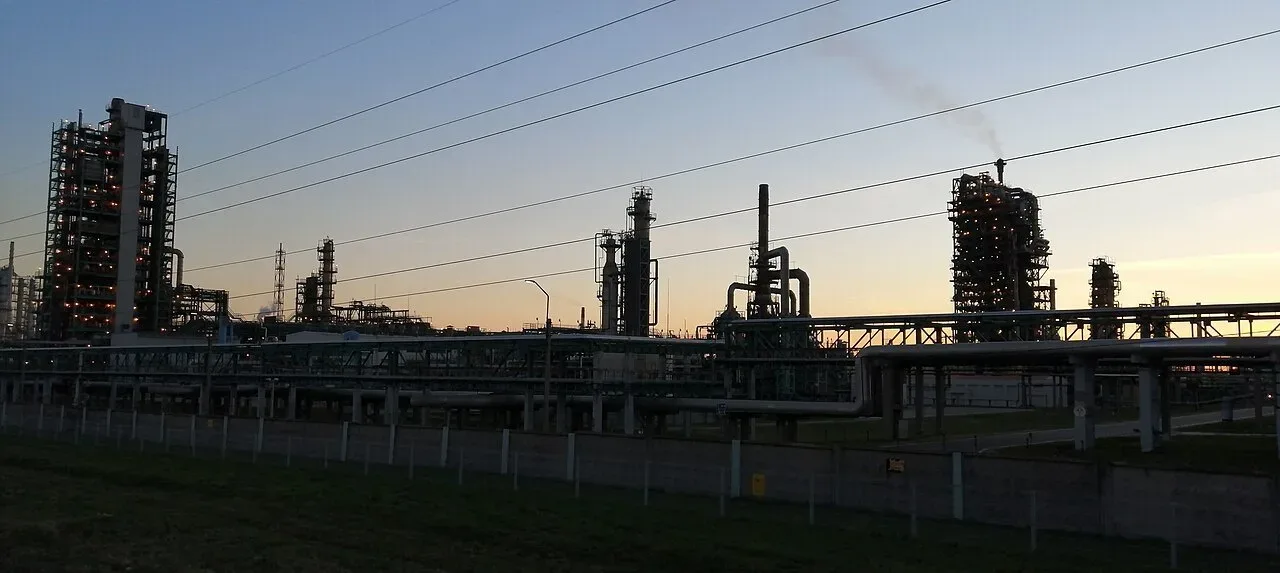
On 24 November 2026, Vladimir Putin said Russian retaliation for Ukraine's drone attacks on oil refineries is inevitable, without giving details. The Kyiv Post reports that Ukrainian strikes in November halted all or part of output at 16 Russian refineries, while Kyiv says it will stop only if Russia does.
Table of contents 6 sections
- Putin said at a Kremlin meeting on 24 November that retaliatory measures over Ukraine's refinery strikes are inevitable, without naming them.
- The Kyiv Post, citing The Moscow Times, reports more than 110 drone attacks on Russian refineries in 2026 and 16 plants hit in November.
- Reuters, via the Kyiv Post, reported a 45 percent fall in Russian refining volumes in the first three weeks of November.
- Zelenskyy claims 55 percent of Russian refining capacity is disabled, a figure CNBC did not independently verify.
- The form of any Russian response and the names of two Samara refineries hit overnight were not confirmed in the reports reviewed.
On 24 November 2026, Russian President Vladimir Putin told a Kremlin meeting that retaliation for Ukraine's Russian refinery strikes is "inevitable", without saying what form it would take. The remark came as Ukrainian drones reportedly hit two refineries in the Samara region overnight, according to CNBC, and as Moscow's fuel market remained under strain.
What Putin said at the Kremlin
Speaking to government officials and oil executives, Putin said "retaliatory action from our side is inevitable. Everyone must be aware of that," as quoted by CNBC from the Russian news agency Tass. The Kyiv Post, relaying reporting from The Moscow Times, gave a similar wording: "retaliatory measures on our part are inevitable."
According to the Kyiv Post, Putin said Ukraine was carrying on with the attacks "as if nothing has happened" despite what he called the call and direct request of the US President. CNBC reports that Putin described the fuel market situation as "challenging" and urged officials and executives to keep responding quickly to supply and demand. He also said, per the Kyiv Post, that gasoline prices had stabilised since peaking in October.
How many Russian refineries have been hit
The Kyiv Post, citing The Moscow Times, reports that Ukrainian drones have attacked Russian refineries more than 110 times in 2026. Strikes in November alone halted all or part of production at 16 refineries, the same report says. Among those named as worst hit were Norsi in Nizhny Novgorod, Yanos in Yaroslavl and Rosneft's Novokuibyshevsk plant, where production was halted.
The same report puts the loss at the Ryazan refinery, which supplies Moscow, at 90 percent of its capacity. It cites an estimate by Michael Bohnert of RAND that Omsk, Russia's largest refinery, lost half its capacity after a strike on 11 November. Reuters, citing industry sources, reported on 18 November that refining volumes fell 45 percent in the first three weeks of the month, according to the Kyiv Post.
Ukrainian President Volodymyr Zelenskyy said earlier in November that long-range strikes had disabled more than 55 percent of Russia's oil-refining capacity, CNBC reports. He called this a "justified response to Russia's refusal to de-escalate and its strikes on our energy infrastructure." CNBC did not independently verify that figure, and it differs from the 45 percent volume drop reported by Reuters, which measures a different thing.
Why Russian refinery strikes matter for fuel
The Kyiv Post reports that Sergey Vakulenko of the Carnegie Berlin Center estimates current Russian refining capacity at about 2.7 million barrels a day, enough for 60 to 65 percent of domestic gasoline demand. Local media reported that several Russian regions have restricted retail sales of gasoline and diesel, the same outlet says.
Putin's answer, as reported, is to look east. The Kyiv Post quotes him saying "We need to pay special attention to the development of oil refining and petrochemicals in the east of the country." It notes that only a few facilities in the Irkutsk, Khabarovsk, Krasnoyarsk and Kemerovo regions have avoided drone attacks. Their total capacity is about 650,000 barrels a day, compared with prewar domestic demand of about 4 million barrels a day.
The effects reach beyond Russia. CNBC writes that fuel disruptions linked to the wars in Ukraine and Iran pushed US diesel prices to a record high, and that Donald Trump called on Zelenskyy in September to stop targeting Russian refineries, saying the attacks were "hurting the world." For the wider energy picture, see our earlier report on oil prices and Iran tensions.
Ukraine's response
Ukraine's Foreign Minister Andrii Sybiha told Putin on social media to "stop complaining". "If Putin doesn't like Ukraine's strikes on his oil refineries, he can order an end to the war," Sybiha wrote, according to CNBC. In its recent reporting, CNBC also lists other strikes attributed to Ukraine: damage to the Crimea bridge, a hit on a Russian cargo ship in the Baltic Sea near Finland and the destruction of one of Russia's newest ships at a Libyan port. Our coverage of that last incident is in the Benghazi drone attack report.
Sybiha also claimed Russia lost 432,000 soldiers this year. CNBC said it could not independently verify that number. Both sides' claims about damage and losses come from the parties to the war, and readers should treat them as such.
What is known and what is not
Several points remain open. CNBC lists the names of the two Samara refineries hit overnight as unknown at the time of its report, and the specific form of any Russian response has not been announced. The Kremlin has not said whether retaliation would target Ukrainian energy sites, and Ukraine has said it would halt energy strikes only if Russia does the same, according to Reuters reporting summarised by Just Security.
The Kyiv Post also relays a Financial Times report that the Kremlin proposed a joint US-Russian oil-drilling venture off Sakhalin Island during ongoing negotiations. That was a leak, and neither government has been quoted confirming it in the sources reviewed. Background on the diplomacy is in our report on the Abu Dhabi peace talks.
What to watch next
Watch for three things in the coming days: whether Russia announces or carries out a specific response, whether refinery output and regional fuel limits worsen or ease, and whether Washington renews its request that Kyiv stop the strikes. Official Russian fuel price data and satellite imagery of the struck plants will give the clearest independent check on the competing claims. A single exchange between the two sides over energy sites could also shape the pace of any renewed ceasefire talks.


0 comments
No comments yet — be the first.