Oil prices rose above $115 a barrel in late October 2026 because of fears of renewed US military action against Iran after the 3 November midterms, a tanker attack in the Strait of Hormuz and falling global inventories. Brent settled at $115.32 on 28 October and was heading for an October gain of more than 10%.
Table of contents 5 sections
- Brent crude settled at $115.32 a barrel on 28 October 2026, and WTI closed at $102.78.
- Reports of possible US strikes on Iran after the 3 November midterms drove the latest rise.
- A tanker was attacked in the Strait of Hormuz late on 29 October, according to UKMTO.
- The US average for regular gasoline fell to about $4.23 a gallon on 29 October, still more than $1 above a year earlier.
- Energy costs are the main force behind high inflation in both the US and the euro area.
Oil prices pushed back above $115 a barrel this week on fears of renewed US military action against Iran. Brent crude settled at $115.32 on 28 October, up 1.3%, and US benchmark West Texas Intermediate closed at $102.78, up 2.9%, according to The National.
By mid-morning in London on Friday, 30 October, Brent had climbed about 2.1% to $117.19 after touching $117.84, its highest since late April, and both benchmarks were on track for a fourth straight monthly gain of more than 10%, CoinCentral reported.
Why oil prices are rising again
The main driver is geopolitics. The Wall Street Journal reported, citing US officials, that Washington had warned several Gulf Arab countries to prepare for a possible renewed US military campaign against Iran after the 3 November midterm elections, as summarised by The National. According to the same newspaper, Central Command chief Adm. Brad Cooper briefed President Donald Trump on possible operations on Thursday.
Shipping risk has added to it. Late on Thursday a tanker crossing the Strait of Hormuz was attacked when a small boat attached two explosive devices to its hull, the UK Maritime Trade Operations agency said, according to CoinCentral. Nobody has been identified as responsible. Yemen's Houthi movement separately claimed attacks on Saudi energy sites, including the Ras Tanura and Rabigh refineries and an Aramco facility at Abqaiq. Those claims have not been independently confirmed, and Saudi air defences reportedly intercepted two ballistic missiles aimed at Riyadh on Thursday.
Supply is also tighter than it was earlier in the conflict. "Global inventories have fallen sharply, with pledged strategic oil reserves releases largely completed," said UBS analyst Giovanni Staunovo. He also pointed to record freight costs and limited tanker capacity.
Is diplomacy pulling the other way?
Partly. Oil briefly slipped on Thursday, with Brent down to about $114.10 in early trading, after reports that Vice President JD Vance had sent a letter to Mohsen Rezaei, Iran's National Security Council chief, to revive peace talks. Trump played the outreach down. He said he had not directed Vance to contact Iran and that the contact was about getting medical supplies to people who need them.
The market's reaction tells you how much weight traders give the outreach: a dip in early Thursday trading, then a fresh climb on Friday to the highest level since late April. "Oil prices remain volatile as markets respond to developments affecting regional production and infrastructure," said Nick Stadtmiller, chief economist at Emirates NBD, in comments to The National. Trump, asked on Wednesday about further attacks, said "anything's possible," according to CoinCentral, and he has not made a final decision.
Context matters here. This is the latest phase of a conflict that has disrupted Gulf supply for months. In early September, US forces struck three Iranian oil tankers, one near Kharg Island, Iran's main export hub, after Revolutionary Guards strikes on US warships, Reuters reported at the time.
Why US gas prices fell while crude rose
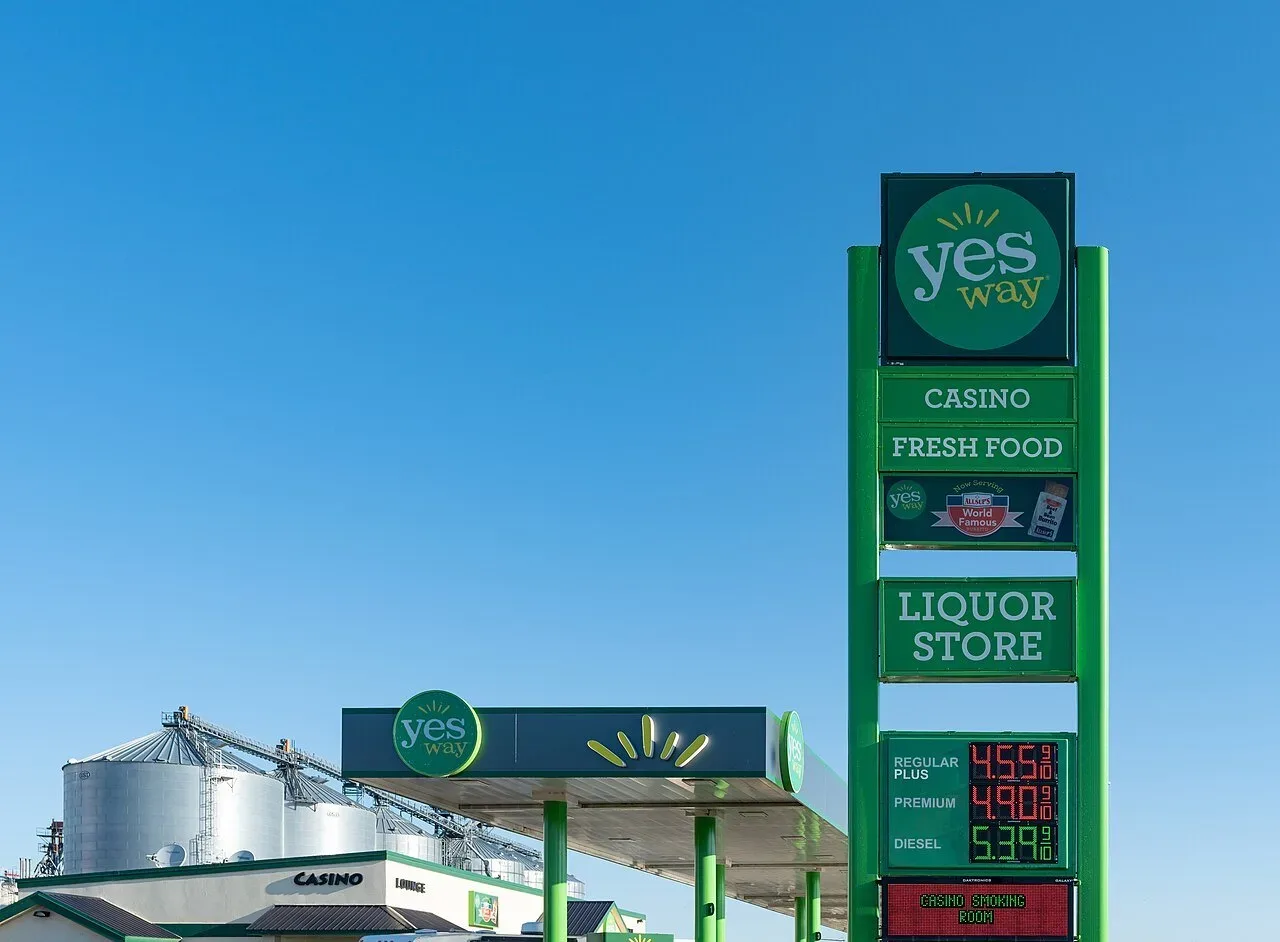
Here is the part that surprises drivers. The national average for regular gasoline was $4.2258 a gallon on 29 October, according to AAA, down from $4.2701 a week earlier and $4.4558 a month earlier. A year ago it was $3.0384, so drivers are still paying more than a dollar extra per gallon.
The recent dip reflects the seasonal switch to cheaper winter-blend gasoline, which AAA said on 22 October is cheaper to produce, along with softer demand. Earlier in the month AAA described pump prices as the highest ever recorded for that time of year. Energy Information Administration data quoted by AAA show gasoline demand fell from 8.98 million to 8.38 million barrels a day, while gasoline stocks rose. AAA warned the decline has limits: "Crude oil prices above $100 per barrel, however, are limiting further declines at the pump."
- Most expensive states: California at $5.94, Hawaii at $5.65 and Nevada at $5.25.
- Cheapest states: North Carolina at $3.42, Georgia at $3.61 and Texas at $3.70.
- Crude stocks: down 1.9 million barrels to 410.6 million, about 4% below the five-year average.
How high oil prices feed into inflation and interest rates
Energy is now the biggest single reason central banks are worried. In the euro area, energy prices were 18.9% higher in September than a year earlier, the European Central Bank said when it held rates on 29 October. In the US, consumer prices rose 3.7% in the year to September, and Bloomberg tied much of the jump to energy costs linked to the Iran war. The Federal Reserve held rates on 28 October, but two officials voted for a hike.
That chain runs straight to household budgets: fuel, heating, airfares and delivery costs first, then borrowing costs if central banks tighten further. Energy demand from AI data centers, covered in our report on how much power AI uses, adds a longer-term pull on electricity and gas markets.
What to watch in oil markets next week
The 3 November US midterm elections are the obvious date, because reports link any new US military action to the period after the vote. Watch the Strait of Hormuz for further tanker incidents, since even attacks that do not stop production raise insurance and shipping costs. And watch the weekly AAA and EIA reports for whether pump prices keep easing or turn back up as crude stays above $100.
For households, the practical step is to budget for fuel near current levels rather than for a quick return to last year's prices. Prices at the pump have been falling for a month, but they are doing so against a crude market that is still climbing.
Frequently asked
- Gas Prices Dip Before Halloween — AAA
- Oil prices decline after diplomatic push in Iran war — The National
- Oil Prices Climb Near Six-Month High as Trump Weighs Military Options Against Iran — CoinCentral
- Oil rises as risks of prolonged Mideast conflict fan supply worries — Reuters via The Express Tribune



0 comments
No comments yet — be the first.