Uranus Magnetic Field Puzzle: Simulations Point to the Deep Interior
A study in Communications Physics says ionic water deep inside Uranus and Neptune can produce their tilted, off-centre fields, and that the fields may swing within decades.
Every story from the Global Pulse Daily newsroom, newest first.
A study in Communications Physics says ionic water deep inside Uranus and Neptune can produce their tilted, off-centre fields, and that the fields may swing within decades.
Microsoft shipped PowerShell 7.7 on 10 November with a new temp-directory cmdlet, hardening work and breaking changes that can affect scripts using New-Guid.
Wiz says an attacker used stolen Qubole credentials to enter customer AWS accounts through trust roles that many firms had forgotten to remove.
Motorola's flagship pairs a 7,000mAh battery and 200MP periscope camera with seven years of updates, and it asks for the same money as a Samsung Ultra.
Home Depot reported $43.4 billion in sales and 2.2 percent comparable growth, trimmed its full-year profit outlook and named its CFO as chief executive.
Serbia's new parliament held its first session on 17 November, with the Student List holding 140 of 250 seats and the speaker's election doubling as a choice of acting president.
Austria, Denmark, Germany, Greece and the Netherlands announced in Vienna that they will negotiate a return hub in Rwanda for rejected asylum seekers, with no deal signed yet.
ElevenLabs will acquire Kotoba, a Japanese voice AI lab whose Koto model powers Japanese voice in Salesforce Agentforce, with terms undisclosed and closing expected this quarter.
A new Commerce Department rule requires licenses for AI chips going to data centers that could serve Chinese customers, and adds five countries to the license list.
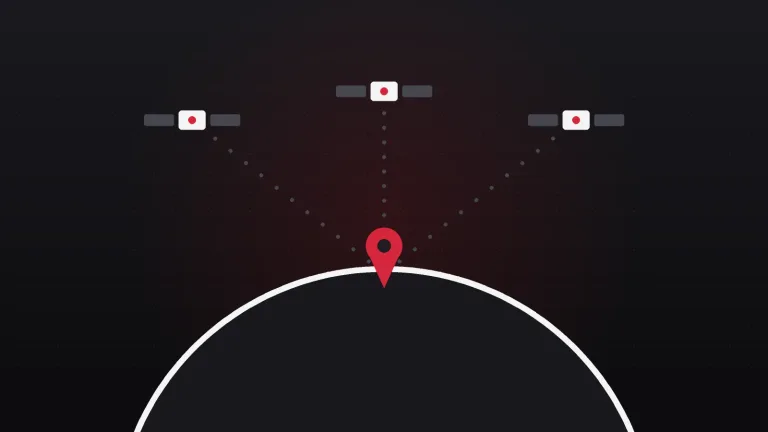
Satellites broadcast the time, and your receiver turns the delay in each signal into a distance, then into a position typically good to a few metres.
IPv6 replaces IPv4's 32-bit addresses with 128-bit ones, giving the internet room to grow after the central IPv4 pool ran dry in 2011 and reducing reliance on NAT.
Only the sender and the recipient hold the keys to an end-to-end encrypted chat, yet metadata, backups and compromised phones can still expose you.