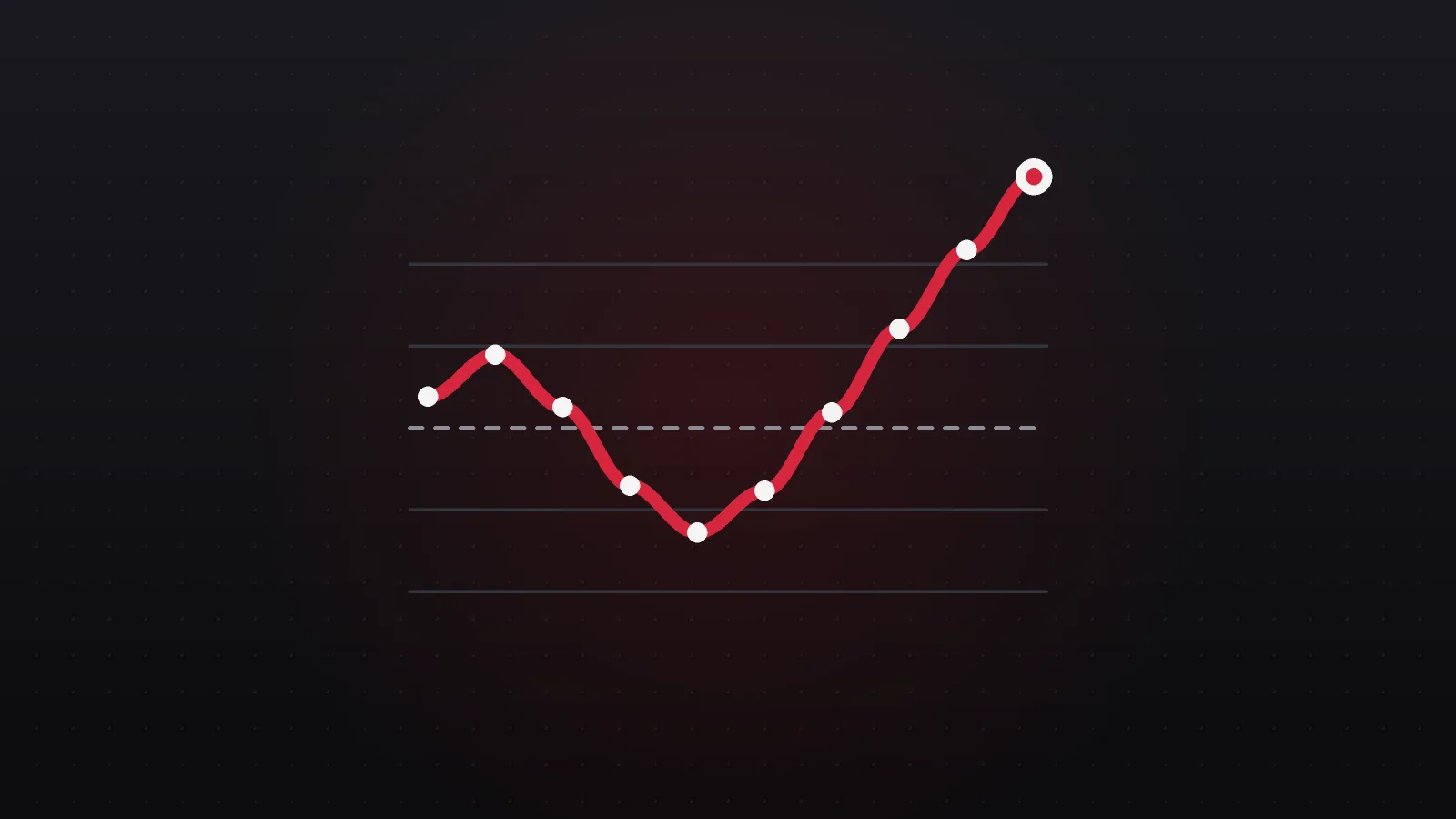
Free cash flow is the cash a company generates from operations minus its capital expenditures. It shows the money left to pay dividends, buy back shares, repay debt or invest. It can be negative even when profit is rising, as in periods of heavy AI spending.
Table of contents 8 sections
- Free cash flow equals operating cash flow minus capital expenditures.
- It differs from profit because it follows cash rather than accounting rules.
- Heavy AI and data center spending can push big tech's free cash flow down or below zero.
- Negative free cash flow is not automatically bad; what the money buys decides that.
- Look at several quarters, compare definitions and check stock-based pay before drawing conclusions.
Free cash flow explained simply: it is the cash a company generates from operations minus what it spends on equipment, buildings and other long-lived assets. What is left is the cash that could pay a dividend, buy back shares, repay debt or fund a new venture. It is one of the first numbers analysts look for in a tech earnings report, because it is much harder to flatter than profit.
Free cash flow explained: the formula
Free cash flow = cash flow from operations - capital expenditures.
Both lines sit in the cash flow statement. Operations covers cash from selling products and paying running costs. Capital expenditures, or capex, covers purchases of property and equipment, such as servers, data centers and factories. The US Securities and Exchange Commission's investor site has a short glossary entry on free cash flow.
Why free cash flow is not the same as profit
Profit follows accounting rules. A company can book revenue before the money arrives, and it spreads the cost of a big purchase over many years through depreciation. Cash flow follows the money. A business can report a profit and still run short of cash, or report a loss while generating plenty. Free cash flow shows what actually happened to the bank balance.
A worked example with made-up numbers
Imagine a software company with $40 billion in revenue. Its operations generate $20 billion in cash, and it spends $24 billion building data centers. Free cash flow is -$4 billion. As a share of revenue, the free cash flow margin is -10%. Revenue and profit could both be rising at the same time. The negative figure says that this year the company is investing more than it earns in cash.
Why big tech's free cash flow is under pressure
The spending boom in AI chips and data centers is the main reason. Spending on that scale can push free cash flow down, or below zero, even in a quarter when revenue and profit are strong. We saw this in our report on Alphabet's third quarter, where free cash flow turned negative. The physical side of that spending is covered in data center energy demand.
Is negative free cash flow bad?
Not automatically. Investing for growth and burning cash to survive both produce negative numbers, and the difference lies in what the money buys. Ask four questions:
- What is the capex paying for, and is there customer demand or a signed backlog to match it?
- Is the business that spends it growing quickly enough to justify the outlay?
- Can the company fund the gap from cash on hand, or must it borrow or sell shares?
- Is the trend improving or getting worse over several quarters?
Three ratios worth knowing
- Free cash flow margin: free cash flow divided by revenue. It shows how much of each dollar of sales turns into spare cash.
- Free cash flow yield: free cash flow divided by market value. It compares the cash a business generates with its price.
- Cash conversion: free cash flow divided by net income. A figure far below 1 suggests profit is not turning into cash.
Mistakes to avoid when reading earnings
- Ignoring stock-based pay. It is not a cash cost, but it dilutes shareholders, and some analysts subtract it.
- Trusting one quarter. Seasonality and timing of payments swing the figure, so look at the trailing twelve months.
- Comparing different definitions. Companies define and adjust free cash flow in different ways, and leases and acquisitions can be treated differently.
- Treating a one-off as a trend. A large tax payment or a sale of equipment can distort a single period.
Where to find the numbers
Open the quarterly or annual report and go to the cash flow statement. Find "net cash provided by operating activities" and the line for purchases of property and equipment, then subtract. Many companies also publish their own free cash flow figure in the earnings release. If you are raising money rather than investing, our guide to startup funding stages shows how burn and runway shape each round.
This article is general education, not investment advice.
Frequently asked
- Free Cash Flow: investing glossary — Investor.gov, US Securities and Exchange Commission


0 comments
No comments yet — be the first.