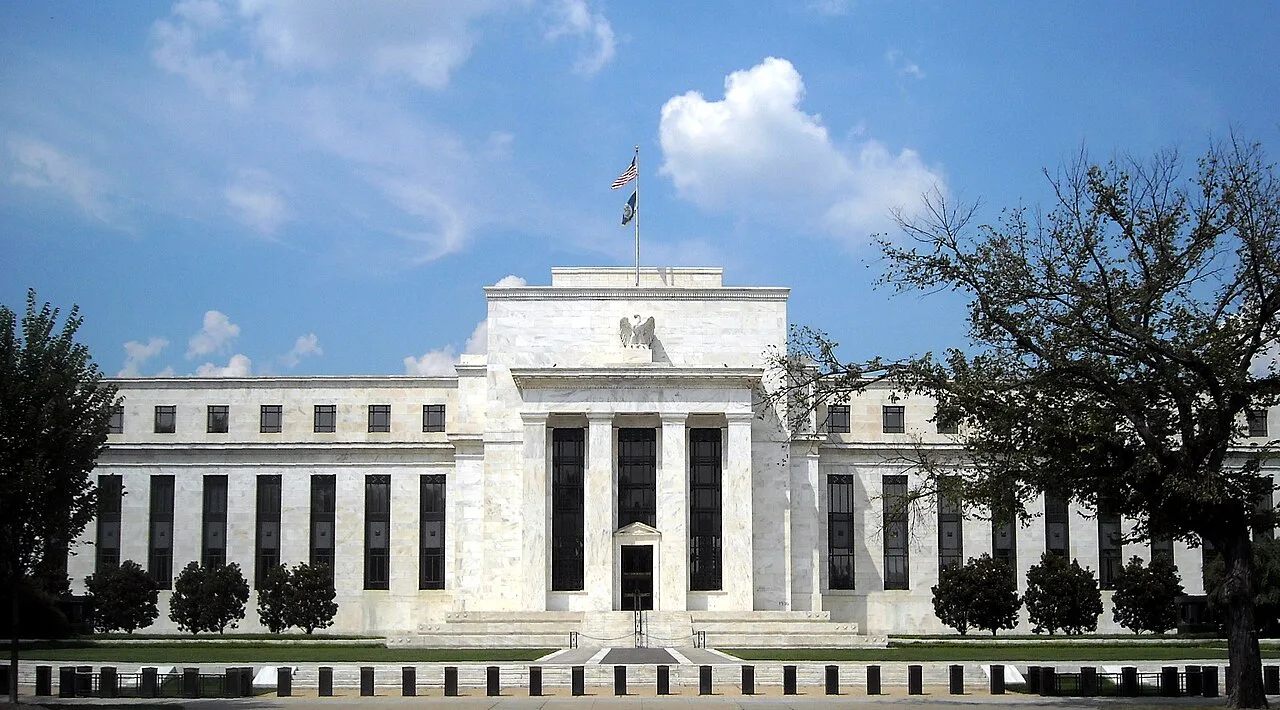
Yes. On 28 October 2026 the Federal Reserve kept the federal funds target range at 3.75% to 4% in a 10-2 vote. Governor Lisa Cook and Cleveland Fed President Beth Hammack dissented, preferring a quarter-point hike, and markets still price further hikes over the coming year.
Table of contents 5 sections
- The Federal Reserve held its target range at 3.75% to 4% on 28 October 2026.
- The vote was 10-2, and both dissenters wanted a quarter-point rate hike.
- The September meeting had raised rates unanimously, so the split marks a hawkish shift.
- September consumer prices rose at their fastest pace in five months, driven largely by energy.
- The next decision is due on 9 December, with new projections from Fed officials.
The Fed holds rates steady for now, but the vote shows how close it came to tightening again. On 28 October the Federal Open Market Committee kept the federal funds target range at 3.75% to 4% by a 10-2 vote, with Governor Lisa Cook and Cleveland Fed President Beth Hammack dissenting because they wanted a quarter-point hike.
That split is the real news. Six weeks earlier, on 16 September, the committee raised rates by a quarter point to the current range and nobody objected. The vote was 12-0. Going from unanimity to two hawkish dissents in one meeting tells you where the pressure inside the room is pointing.
Why the Fed holds rates while inflation runs hot
The October statement paints an economy that is hard to call weak. It says activity is expanding strongly, with resilient domestic spending, strong productivity growth and robust capital investment. Job gains have kept pace with the growth of the workforce and the unemployment rate has changed little. Inflation, in the committee's own word, remains elevated.
So why wait? The statement's answer is that more data will help the committee decide the right stance to return inflation to its 2% goal. Put plainly, the majority wanted to see how much work the September hike is already doing before adding another one. Bloomberg, in a report republished by WealthManagement.com, noted that New York Fed President John Williams and Vice Chair Philip Jefferson had argued in the run-up that the September move had bought time. Market odds of an October hike, which had climbed above 70% after September, fell below 10% by the morning of the decision.
The inflation numbers explain why two officials did not want to wait. The September consumer price index rose at its fastest pace in five months, and Bloomberg tied much of that to energy prices pushed up by the Iran war. With crude oil above $100 a barrel in late October, the next readings are unlikely to look much calmer, and the Fed's goal remains 2%.
What Kevin Warsh signalled, and what markets heard
Chair Kevin Warsh had prepared markets for a pause. On 16 October he said "the world has broadly conformed to our expectations," a line traders read as a signal that rates would stay put, Bloomberg reported. At his press conference after the decision he gave little guidance on the path ahead, according to InvestingLive, which leaves the statement and the data to do the talking.
The statement itself carried one telling word change. Economic activity was upgraded to expanding at a "strong" pace from "solid," InvestingLive noted. A central bank that thinks growth is strengthening while inflation stays elevated is a central bank that keeps the option of another hike open.
Markets took the hint. At the moment of the decision, traders put the chance of an October hike at about 7%, but they were still pricing roughly 79 basis points of hikes over the coming year, according to InvestingLive. The 2-year Treasury yield, the most sensitive to Fed expectations, rose to about 4.75%.
Who dissented, and why it matters politically
Cook's dissent carries extra weight because of her situation. She is contesting President Donald Trump's attempt to fire her over mortgage fraud allegations she denies, and a White House hearing is scheduled for early November that she has said she will not attend. Her vote for a tighter policy, days before the 3 November midterm elections, undercuts any claim that she is soft on inflation.
Hammack runs one of the regional reserve banks, so her dissent adds a voice from outside Washington. Two dissents in favour of a hike are a signal to markets that a meaningful bloc on the committee sees the September move as insufficient. If the next inflation reports do not cool, that bloc is likely to grow.
What a December hike would mean for borrowers and savers
The federal funds rate feeds directly into credit card rates, home equity lines and adjustable loans, and indirectly into car loans and mortgages. With the 10-year yield above 5%, mortgage rates are already being pushed by long-term bond markets as much as by the Fed itself. Another quarter-point move would lift short-term borrowing costs again.
For savers, the picture is the reverse. High-yield savings accounts and money market funds track the policy rate closely, so yields there are unlikely to fall while the Fed is debating hikes rather than cuts. Certificates of deposit lock in current rates for a set term, which is the main decision savers face if they think rates have peaked. Higher rates also squeeze companies that borrow to invest; our explainer on free cash flow shows why that matters when reading earnings reports this month.
- Current range: 3.75% to 4%, unchanged since 16 September.
- Vote: 10-2, with both dissents favouring a quarter-point hike.
- Latest CPI: fastest monthly rise in five months in September, led by energy.
- Next decision: 9 December, with new economic projections.
What to watch before the 9 December meeting
Three releases will shape the December call. The September PCE price index, the Fed's preferred inflation gauge, was due the day after the decision. The October consumer price index follows on 10 November. Third-quarter GDP, which economists expected at about 3.2% annualised, tests the claim that growth is strong enough to absorb tighter policy.
Watch energy too. Oil has been the main driver of headline inflation this autumn, and any easing or escalation in the Middle East will feed into the numbers the committee sees. If you are weighing a fixed-rate loan or a CD, the safer assumption is that rates stay high into the new year, and that the December meeting is a live one.
Frequently asked
- Federal Reserve issues FOMC statement (28 October 2026) — Board of Governors of the Federal Reserve System
- Federal Reserve issues FOMC statement (16 September 2026) — Board of Governors of the Federal Reserve System
- Fed Holds Rates, Says More Data Will Help Next Decision — Bloomberg via WealthManagement.com
- FOMC decision Oct 28: Rates left unchanged — InvestingLive


0 comments
No comments yet — be the first.