Alphabet reported third-quarter 2026 revenue of $127.6bn, up 25%, with Google Cloud up 103% to $30.7bn. The shares fell because free cash flow was negative $9.07bn against an expected positive $2.70bn, and adjusted earnings of $2.67 a share missed the $3.02 expected.
Table of contents 4 sections
- Alphabet's Q3 2026 revenue rose 25% to $127.6bn, slightly below the $128.22bn consensus.
- Google Cloud revenue grew 103% to a record $30.7bn, helped by TPU system sales.
- Free cash flow was negative $9.07bn against an expected positive $2.70bn.
- Capital expenditure of $51.36bn came in below the $55.09bn analysts expected.
- Full-year capex guidance stayed at $195bn to $205bn, with a significant rise signalled for 2027.
The Alphabet Q3 2026 results, published on Tuesday, would have been a triumph in any other year. Revenue of $127.6bn, up 25%. Google Cloud up 103% to a record $30.7bn, helped by sales of its own TPU systems. Google Services up 11% to $96.3bn.
The shares fell about 10% after hours, then kept falling — roughly 13% in early trading on Wednesday, which CNBC described as the company's largest post-earnings drop on record.
The number that did it
Free cash flow was negative $9.07bn. Analysts had expected positive $2.70bn.
That single line is the whole sell-off. Alphabet has been a cash machine for two decades; a quarter in which it consumed nine billion dollars more than it produced describes a different kind of company. Adjusted earnings came in at $2.67 a share against $3.02 expected, and revenue missed a $128.22bn consensus by a whisker. It was the first miss on both lines in close to four years.
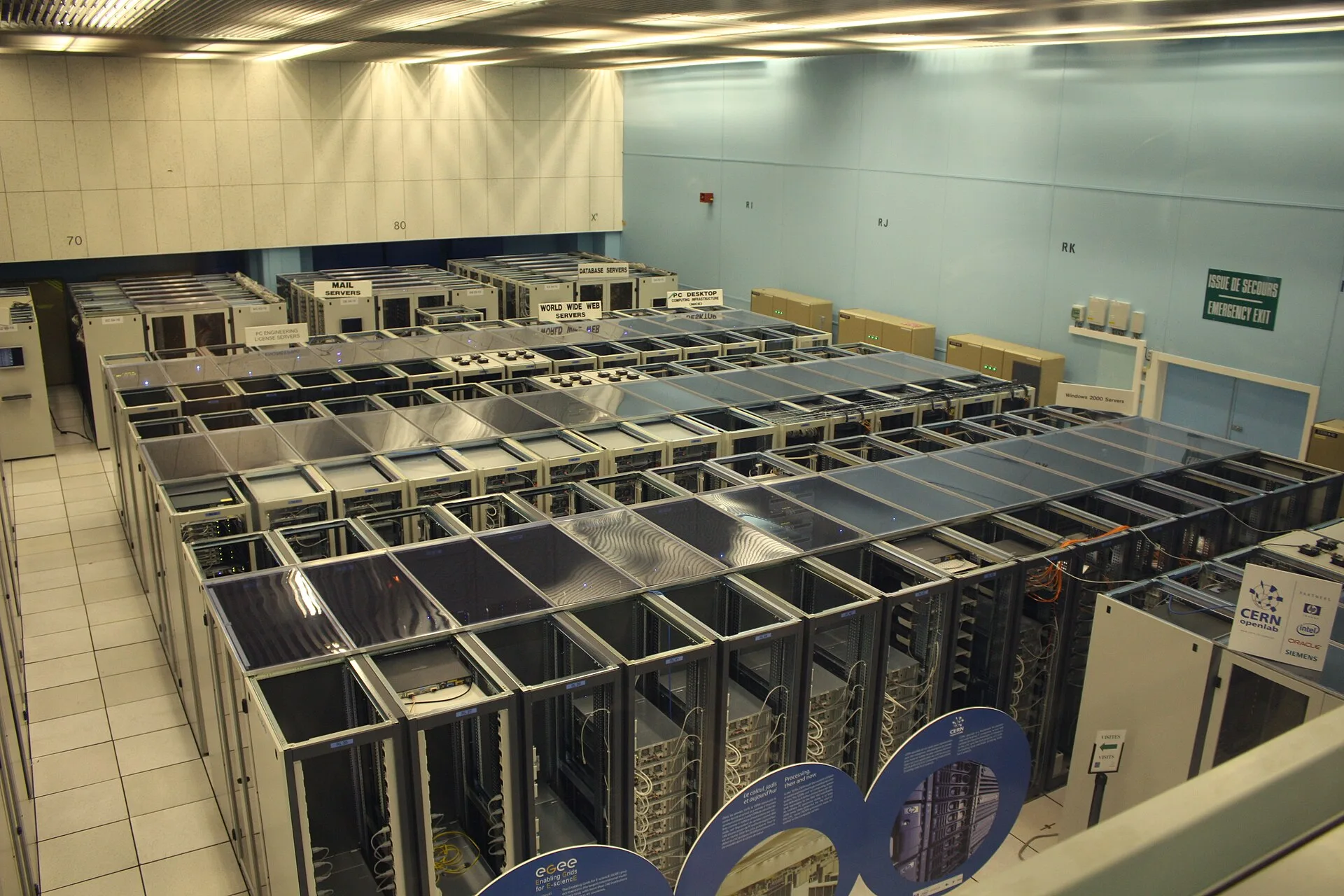
The uncomfortable detail sits in the capital spending. Capex was $51.36bn for the quarter — nearly four billion dollars below what analysts had pencilled in. Alphabet spent less than expected on infrastructure and still went cash-flow negative. Whatever is consuming the money, underbuilding is not the fix.
Guidance did not blink
Management left full-year 2026 capital expenditure guidance where it was, at $195bn to $205bn, and said spending will rise significantly in 2027.
Read against a negative cash flow quarter, that is a deliberate statement. Alphabet is telling the market it will not slow the AI buildout to protect a cash flow line, and that shareholders should expect the bill to grow. At least one analyst downgraded the stock on the results.
There is a reasonable case for the spending. Cloud revenue doubling is not a rounding error, and selling TPU systems outright rather than only renting capacity on them changes the shape of that business — it converts a utility into a hardware vendor with a utility attached. If the demand is real and durable, buying capacity before a competitor does is ordinary strategy rather than recklessness.
There is also a reasonable case against, and it is simply arithmetic. Depreciation on a hundred billion dollars of data centre equipment arrives whether or not the revenue does, and it arrives every year for the life of the asset. Chips bought in 2026 will still be on the books in 2031, by which point they will be two or three generations behind whatever is current.
What the Alphabet Q3 2026 numbers actually tested
For most of the past two years, an AI capital spending announcement was treated as good news on its own terms. Build more, the reasoning went, and the revenue follows. This is the first quarter in which a hyperscaler posted excellent growth and was punished anyway.
- Revenue grew 25%, and the stock fell.
- Cloud grew 103%, and the stock fell.
- Capex came in below expectations, and the stock fell.
The common factor is cash. The market has shifted from asking how much Alphabet is building to asking what it costs to keep the thing running once it is built, and it did not care for the first clear answer.
That shift has been coming for a while. Analysts have spent two years modelling AI infrastructure the way they model a factory — spend now, earn later, judge the company on the build. Negative free cash flow forces a different model, the one used for airlines and telecoms, where the asset is expensive to own and the question is whether utilisation covers the carry. Those two models produce very different valuations for the same business.
It is worth holding this against what the spending produces. In the same fortnight Google shipped a model good enough at finding software vulnerabilities that it rationed access to vetted defenders, and a world model that generates its own audio. Both are real technical results. Neither has a price list, and one of them has no availability date at all. That is the gap investors are now being asked to fund across another year.
What would settle it
Whether this is a repricing or a bad week gets decided by the next two quarters, and the test is narrow. If free cash flow returns while cloud growth holds anywhere near this level, Tuesday was noise and the buyers were right.
If it does not, every hyperscaler's capex guidance starts being read the way Alphabet's was this week: not as ambition, but as a liability with a date on it. The Alphabet Q3 2026 report is the first time that reading has won.
Frequently asked
- Alphabet Inc. Q3 2026 results, Form 8-K Exhibit 99.1 — U.S. Securities and Exchange Commission
- Alphabet sinks 10% as it holds 2026 capex unchanged, expects significant increase in 2027 — CNBC
- Alphabet falls 13%, putting it on course for its biggest ever post-earnings drop — CNBC

0 comments
No comments yet — be the first.