A PLOS Medicine study of 461,682 US adults, published on 15 October 2026, found total ultra-processed food intake was not linked to colorectal cancer risk. Processed sources of meat were linked to higher risk, while processed sources of whole grains, fibre, dairy and calcium were linked to lower risk.
Table of contents 5 sections
- A National Cancer Institute study of 461,682 adults found no link between total ultra-processed food intake and colorectal cancer.
- Processed meat sources were associated with higher risk, while processed whole grains, fibre, dairy and calcium were associated with lower risk.
- Swapping 10 percent of ultra-processed food for minimally processed food was linked to 2 percent lower colorectal cancer incidence.
- The study is observational, measured diet once in the mid-1990s and mainly included older white Americans.
- It covers only colorectal cancer and does not show ultra-processed food is safe for other health outcomes.
Eating more ultra-processed food was not linked to a higher overall risk of colorectal cancer in one of the largest studies of its kind, published in PLOS Medicine on 15 October 2026. The ultra-processed food cancer question has dominated diet headlines for years, and this analysis of 461,682 American adults followed for a median of 18.8 years gives a more nuanced answer than either side of that debate usually offers.
What mattered was what the processed food contained. Processed sources of meat were linked to higher risk, while processed sources of whole grains, fibre, dairy and calcium were linked to lower risk.
What the ultra-processed food cancer study found
The research comes from the National Cancer Institute's long-running NIH-AARP Diet and Health Study. Participants were aged 50 to 71 when they joined in 1995 and 1996, and 10,075 of them developed colorectal cancer during follow-up through 2018.
Comparing the people who ate the most ultra-processed food with those who ate the least, the paper reports a hazard ratio of 0.97, with a confidence interval running from 0.91 to 1.03. In plain terms, no meaningful difference. The paper states it directly: "Total UPF intake was not associated with incident CRC." The result held across the proximal colon, distal colon and rectum.
Lead researcher Erikka Loftfield of the NCI summarised it this way: "In this large population of older US adults, we did not observe an association between total ultra-processed food (UPF) intake and colorectal cancer incidence."
Which processed foods were linked to higher or lower risk?
When the researchers broke ultra-processed food into categories, differences appeared:
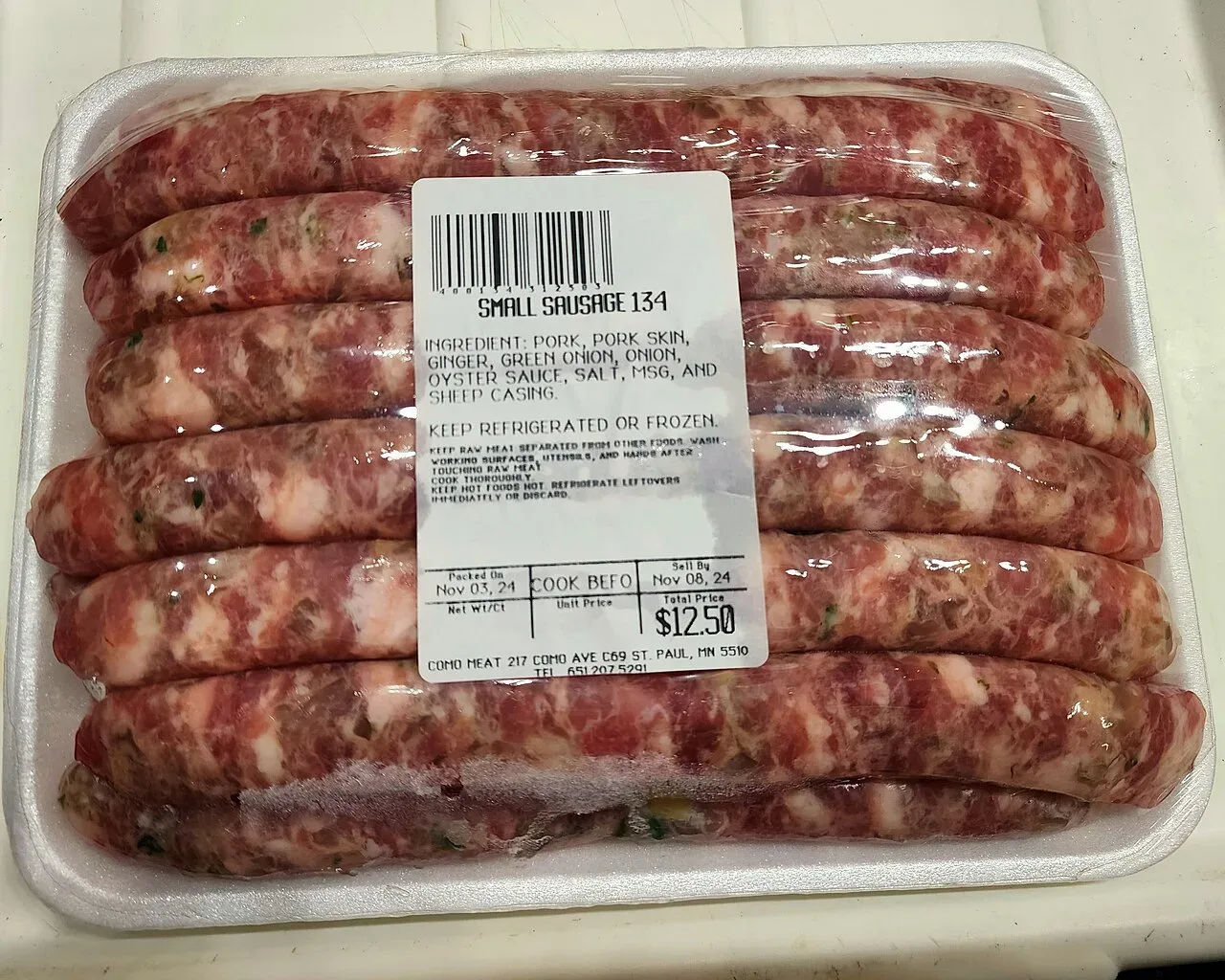
- Reconstituted meat and fish products, such as processed meats, were linked to about 10 percent higher risk in the top intake group.
- Bread, breakfast cereals, and frozen desserts and milk drinks were linked to lower risk.
- Looking at nutrients delivered through ultra-processed foods, each extra daily serving of whole grains and dairy, each extra 10 grams of fibre and each extra 300 mg of calcium was linked to lower risk, while each extra serving of meat was linked to higher risk.
Loftfield noted that these food-group patterns match existing advice on preventing colorectal cancer: more whole grains, fibre and dairy, less meat. In other words, the processing label mattered less than the familiar nutritional content.
One modelling result points the other way, mildly. Replacing 10% of ultra-processed food, by weight, with minimally processed food was associated with a 2% lower colorectal cancer incidence. That is a small effect, but it suggests a shift toward less processed food is not worthless for this cancer.
Does this mean ultra-processed food is safe?
No, and the study does not claim that. It looked at one cancer, colorectal cancer, in one group of people. It says nothing about heart disease, type 2 diabetes, weight or other cancers, which it did not examine. Ultra-processed foods make up more than half of the calories American adults eat, so the wider question is far from settled.
The study's own limitations are significant:
- It is observational. It can show associations, not prove that a food causes or prevents cancer. Unmeasured factors such as painkiller use or income could still skew results.
- Diet was measured once. Participants filled in one food questionnaire in the mid-1990s, and diets change over two decades.
- The food supply changed. Ultra-processed food became more common over the study period, so baseline answers may underestimate later intake.
- The sample was narrow. Most participants were older and white, so results may not apply to younger or more diverse populations.
- No additive data. The questionnaire was not designed to capture processing or ingredients, so food additives could not be assessed.
The study was funded by the NCI's intramural research programme, and several authors are current or former NCI employees. The funder had no role in the design, analysis or decision to publish, according to the PLOS press release.
Why the processing label may be too blunt
"Ultra-processed" is a classification by how food is made, not by what it contains. A packaged wholegrain loaf and a hot dog can both land in the same category. This study suggests that, at least for colorectal cancer, lumping them together hides opposite effects that roughly cancel out in the total.
That is useful for anyone trying to make sense of contradictory headlines. Science moves by narrowing broad claims into specific ones, much as gene research has moved from broad associations to precise tools like those in our explainer on how CRISPR works. Here the narrower claim is that processed meat looks like a problem for bowel cancer, while processed grains and dairy do not.
What to watch next
Expect follow-up work that tracks diet more than once, includes younger and more diverse groups, and captures additives and ingredients directly. For now, the practical message lines up with long-standing guidance on colorectal cancer prevention rather than replacing it. This article does not offer personal dietary advice; anyone with concerns about bowel cancer risk, including symptoms or family history, should talk to a doctor about screening and diet.


0 comments
No comments yet — be the first.