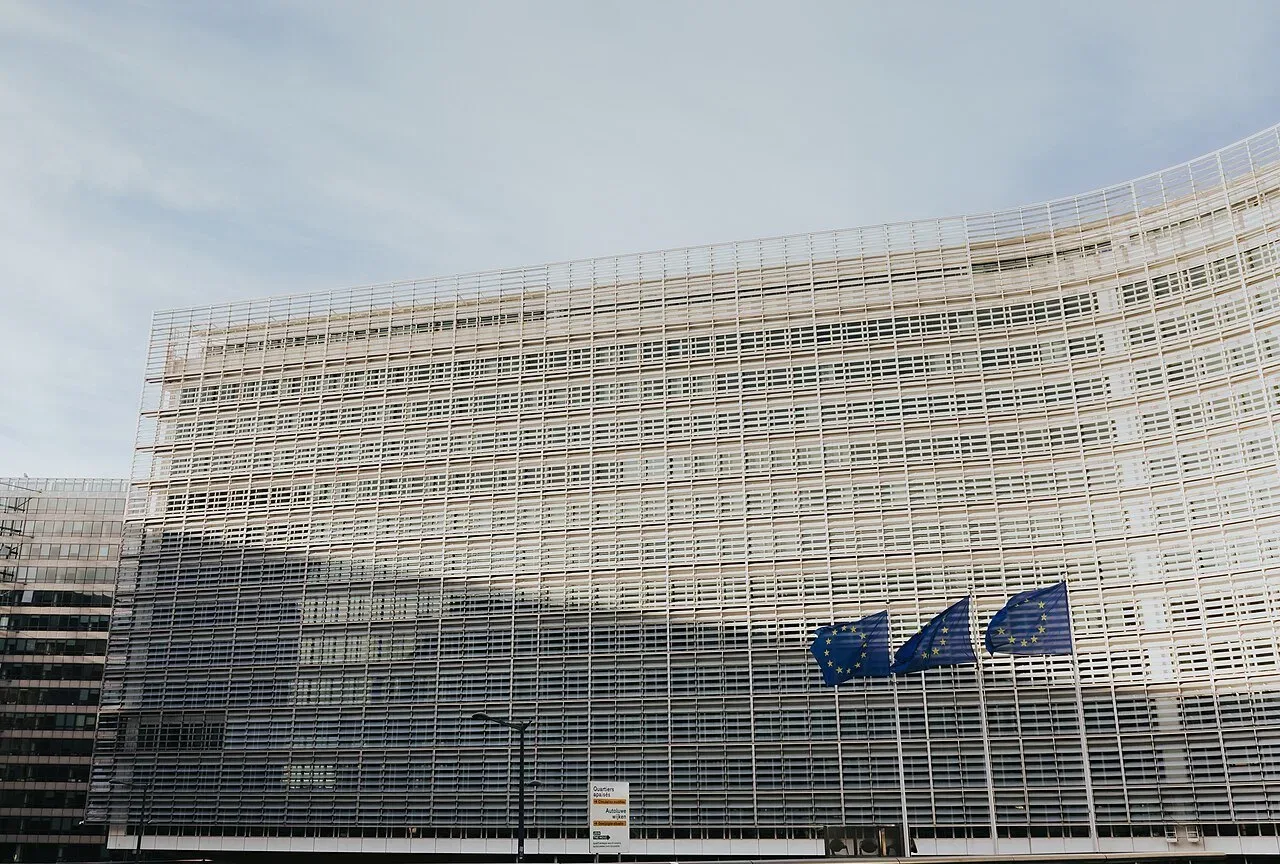
The UK EU summit deal, announced in Brussels on 20 November 2026, combines three agreements: fewer checks on food trade, linked carbon markets and a youth scheme for up to 100,000 under-30s from each side. Nothing was signed on the day, and tuition fees remain unresolved.
Table of contents 6 sections
- Prime Minister Andy Burnham and EU leaders announced three agreements in Brussels on 20 November 2026.
- The deals cover food trade checks, linked carbon markets and a youth scheme for up to 100,000 people under 30 from each side.
- Al Jazeera reports no document was signed on the day and each side must complete its own legal process.
- An EU official said talks on university tuition fees have a six-month window, and EU states will delay implementation until a fees deal exists.
- The Conservatives and Reform UK criticised the package, and Burnham plans a discussion with the EU on long-term options.
British Prime Minister Andy Burnham and EU leaders announced three agreements at a summit in Brussels on 20 November, in a UK EU summit deal meant to ease the economic damage of Brexit. Al Jazeera, citing AFP, AP and Reuters, reports that the package covers food trade checks, a link between carbon markets and a youth mobility scheme. It does not settle the bigger question of where UK-EU ties go next.
What the three agreements cover
According to Al Jazeera's account of the summit, the first agreement would reduce checks and paperwork on food and agricultural products traded between Britain and the EU. The aim is to make exports easier and possibly lower costs for businesses and shoppers.
The second would link the two sides' emissions-trading systems. Goods such as steel from each side would then be exempt from the other's border carbon levies.
The third is a youth experience scheme. Al Jazeera and Free Malaysia Today, which carried a report on the summit, both say it would let up to 100,000 people under 30 from each side live in the other's territory for up to three years to work, study or travel.
No document was signed on the day, Al Jazeera's reporter in Brussels said. A UK government spokesperson told the broadcaster that each side will now go through its own legal process and that talks will continue on some areas.
What Burnham and the EU leaders said
Burnham told a joint news conference the deal would "rebuild the bridges that were broken all those years ago" and called it "a good deal for Britain," Al Jazeera reports. EUobserver quotes him saying the reset "ends a decade of drift and division" and that "Brexit did take opportunity away from young people."
European Commission President Ursula von der Leyen described the spirit of cooperation as "win-win," according to EUobserver. Free Malaysia Today reports she called the deal a "turning point." European Council President Antonio Costa also took part.
On the economics, Al Jazeera says Burnham put the potential gain to Britain's GDP at 0.5 percent, up from his earlier estimate of 0.4 percent. Free Malaysia Today reports his figure of a US$22 billion boost to the British economy. These are the prime minister's own estimates, and the sources do not say who else has tested them.
Why tuition fees could hold up the UK EU summit deal
The sharpest open dispute is university fees. Al Jazeera says Brussels wants EU students at British universities to pay the lower domestic rate instead of international fees, and that London has resisted because the change could have large financial effects on universities.
An EU official told Al Jazeera: "We have not yet reached an agreement on tuition fees, and we have given ourselves six months to reach that agreement." Free Malaysia Today adds that an EU statement said member states would delay implementation until a fees agreement is reached, while Burnham said the "deal is done" and that talks on fees would continue.
The two accounts differ in tone, so the practical position is that the scheme exists on paper while its start date depends on a fees settlement that has not happened yet.
Britain also wants access to the EU's planned "made in Europe" rules for cars, which Al Jazeera says are meant mainly to push Chinese carmakers to build in the bloc with local suppliers. The EU, it reports, is willing to grant access if London aligns with its policies restricting imports of Chinese electric vehicles. That question is unresolved.
How the UK political parties reacted
Opposition came quickly. The Conservatives and Nigel Farage's Reform UK criticised the government, and Free Malaysia Today reports that Farage, who attended the summit, said Burnham had "let the genie out of the bottle." Farage also told the BBC that "the great Brexit debate has just started again," Al Jazeera reports.
Inside Labour, one MP told AFP: "I'm happy with closer ties, but he does need to tread carefully." Free Malaysia Today describes the party as divided on how far to go.
Public opinion is the card Burnham is playing. EUobserver reports that he cited polling, linked to a publication from the European Council on Foreign Relations, showing 75 percent of Britons favour closer EU ties. Separately, Al Jazeera cites a YouGov poll published on Wednesday finding that 54 percent of Britons think a referendum on rejoining within five years would be acceptable, though opinion is split on whether it is a priority.
Is Britain heading back toward the EU?
Burnham has floated rejoining the EU one day, Free Malaysia Today says, and told reporters he would open an "informal brainstorming" with Brussels over the next year on long-term options. Al Jazeera lists those options as keeping current arrangements, joining the customs union or eventually rejoining.
The same report says rejoining would need backing from British voters and unanimous approval from EU member states, so an immediate return is unlikely. Burnham also conceded these deals are probably the limit of what can be achieved in this parliament, according to Free Malaysia Today, which notes that the next general election is not expected until 2029.
European officials remain cautious. Ireland's ambassador in London, Sonja Hyland, said there is "a lack of clarity" about what Brexit means for Britain and that London must decide what it wants if it wants to reopen negotiations, Al Jazeera reports.
What to watch next
Three things will show whether the package holds. The first is the six-month deadline on tuition fees, which decides when the youth scheme can start. The second is how each side turns the announcements into legal text, since nothing was signed in Brussels. The third is the cars question, where access to the EU's "made in Europe" rules is tied to British policy on Chinese electric vehicles.
For readers following the wider British economy, our summary of the UK budget announcements gives the fiscal backdrop to Burnham's growth claims.
0 comments
No comments yet — be the first.