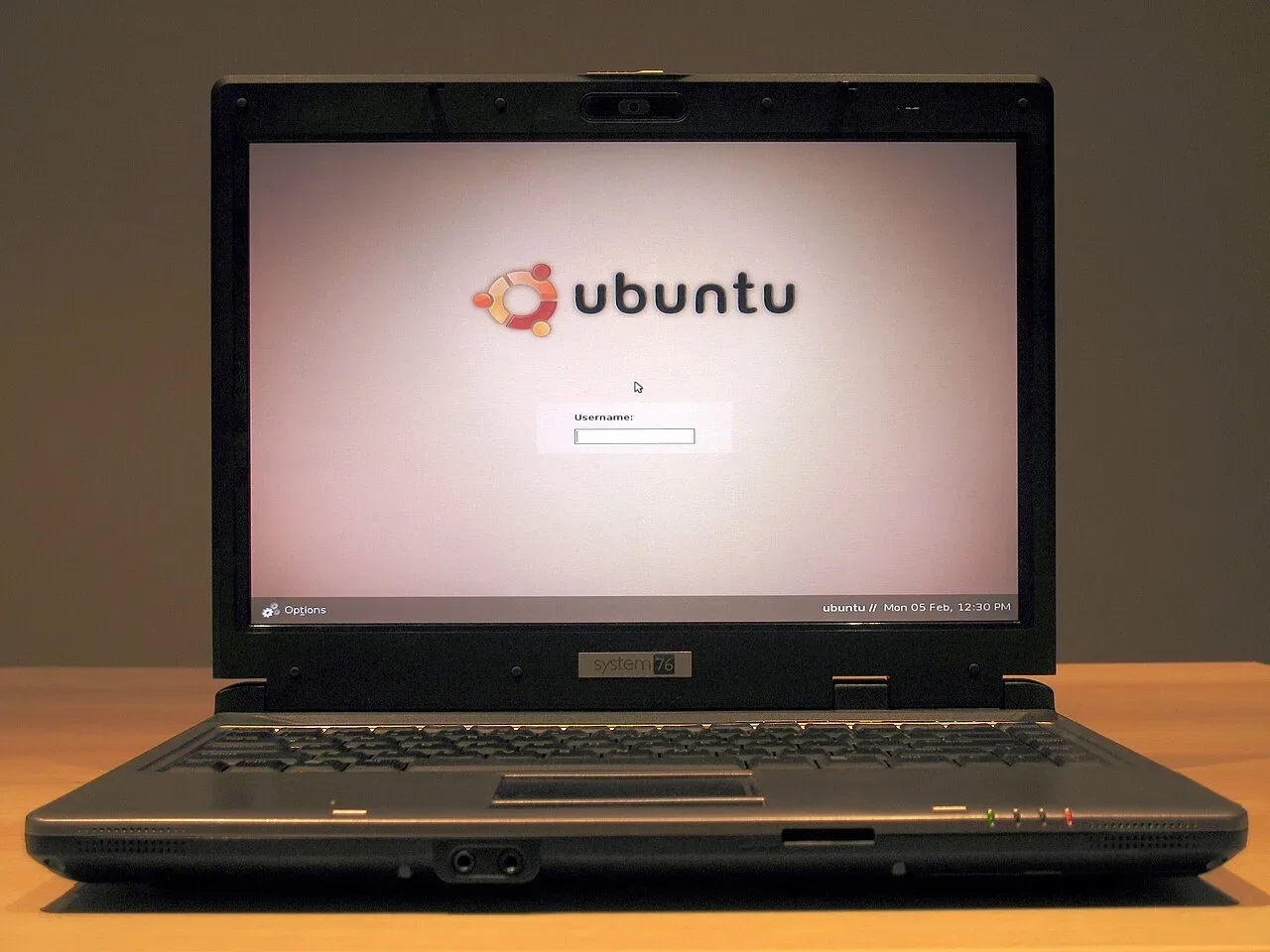
Ubuntu 26.10 Stonking Stingray was released on 15 October 2026. It ships GNOME 51 and a Linux 7.3 kernel built from a release candidate, completes the move to Rust coreutils, adds the Myna local dictation preview and is supported for nine months, until July 2027.
Table of contents 5 sections
- Ubuntu 26.10 Stonking Stingray was released on 15 October 2026 and is supported until July 2027.
- The release completes the move to Rust-based coreutils, with cp, mv and rm the last tools switched.
- Its Linux 7.3 kernel was built from release candidate 7.3-rc6 and will update to the final version later.
- Myna, an opt-in local speech-to-text preview, is planned as a default in Ubuntu 28.04 LTS.
- Users with TPM-backed disk encryption on 26.04 cannot upgrade to 26.10 for now.
Ubuntu 26.10, codenamed Stonking Stingray, was released on 15 October 2026 with GNOME 51, a Linux 7.3 kernel and the last of Ubuntu's core command-line tools rewritten in Rust. It is an interim release with nine months of support, ending in July 2027, so it is aimed at people who want new features now rather than the long-term stability of 26.04 LTS.
Ubuntu is the best-known face of desktop Linux, which StatCounter put at 4.54 percent of desktop operating systems worldwide in September 2026. The headline items are easy to list. The more interesting story is what Canonical is testing here for its next long-term release, and the handful of rough edges that make waiting a few weeks a reasonable choice.
What is new in Ubuntu 26.10
Canonical's release announcement and the official release notes point to these changes:
- Rust coreutils, finished. The default coreutils now run entirely on the Rust-based uutils project. The last GNU holdouts, cp, mv and rm, have been moved over.
- Post-quantum-ready package signing. Sequoia PGP replaces GnuPG for verifying APT repository signatures.
- Myna dictation. An opt-in speech-to-text preview that runs on local models, so audio stays on the machine. It is not preinstalled.
- Wider disk encryption. TPM-backed full-disk encryption now covers PCs without a hardware root of trust, with an optional PIN or passphrase.
- Window tiling. Dragging a window to the top of the screen shows a layout grid, similar to Windows' snap layouts.
- New hardware targets. A dedicated installer for amd64v3 processors and RISC-V desktop images, including the SpacemiT K3 board.
Under the hood, dbus-broker replaces dbus-daemon as the default D-Bus implementation, systemd is at 261.3, and the toolchain moves to GCC 15.2.0, Python 3.14.7, Rust 1.97.1 and Go 1.27. Server users get OpenSSL 4, OpenSSH 10.5, AMD's ROCm 10.0 and a jump from MySQL 8.4 LTS to 9.7 LTS.
Why the kernel deserves a second look
Ubuntu 26.10 ships Linux 7.3, but not the final version. The release notes say the kernel was built from 7.3-rc6 because the upstream 7.3 release lands after Ubuntu's general availability date. The Register noted that machines will update to the final 7.3 once it is out, and suggested waiting for that before upgrading.
That is sensible advice for anyone who depends on a laptop working tomorrow morning. The release notes list known problems including display freezes on some AMD dual-GPU laptops, Wi-Fi instability on some Intel AX211 systems and keyboard trouble on some Snapdragon X2 Elite laptops. Early Snapdragon X2 Elite support and AMD Zen 6 enablement are among the kernel's additions, so new hardware owners have the most to gain and the most to test.
Myna is the feature people are trying first
Myna is Canonical's first visible step in what Jon Seager, VP of Ubuntu Engineering, called "a roadmap for AI on Ubuntu" set out earlier this year. Canonical says it will be included by default in Ubuntu 28.04 LTS.
In The Register's hands-on, dictation in LibreOffice Writer worked on a Dell XPS 9370 but failed on an older ThinkPad with an unsupported Nvidia GPU. Accuracy was poor through the laptop's built-in microphone and much better with a USB headset, and words such as "comma" were typed out rather than turned into punctuation. Installing it also pulls in nearly a gigabyte of dependencies and model files. As a preview it is promising; as a daily tool it is not finished.
What breaks or disappears in this release
Interim releases are where Canonical removes old things, and 26.10 removes several:
- Support for legacy System V init scripts is gone.
- WEP Wi-Fi is no longer supported in Settings.
- MySQL drops the mysql_native_password plugin, and the upgrader blocks the upgrade until affected accounts are migrated.
- OpenSSH is split into separate packages with and without GSSAPI, and fresh installs default to the version without it.
- GNOME 51 removed code the legacy NVIDIA driver relied on, so very old NVIDIA cards may stop working, according to UbuntuHandbook.
There is also an upgrade blocker for one group: people who turned on TPM-backed full-disk encryption on 26.04 cannot upgrade to 26.10 for now, The Register reported.
How to upgrade from Ubuntu 26.04 LTS, and whether you should
Ubuntu 26.04 LTS users do not get offered interim releases by default, so moving to 26.10 is an opt-in step:
- Install all pending updates and restart.
- In /etc/update-manager/release-upgrades, change Prompt=lts to Prompt=normal.
- Run the Software Updater, or do-release-upgrade in a terminal.
Back up first, and check the known issue in the release notes about a dangling /lib32 symlink that can stop the upgrade partway through. Ubuntu Pro is not available on interim releases, so businesses relying on its extended coverage should stay on 26.04.
The same Entra ID work in this release also matters for organizations: Ubuntu desktops can now sign in to Microsoft Entra ID with password plus multi-factor authentication or passwordless methods, which fits the wider shift toward passkeys and passwordless sign-in.
The next date to watch is the final Linux 7.3 kernel arriving as an update. After that, the rest of 26.10's life is a preview of the next LTS, 28.04, where Myna, Rust tooling and the new signing system are expected to become everyday defaults for the much larger LTS audience.
Frequently asked
- Canonical releases Ubuntu 26.10 Stonking Stingray — Canonical
- Ubuntu 26.10 release notes — Ubuntu Documentation
- Ubuntu 26.10 Stonking Stingray review — The Register
- Ubuntu 26.10 Released with Kernel 7.3, GNOME 51, and AMD64v3 Image — UbuntuHandbook
0 comments
No comments yet — be the first.