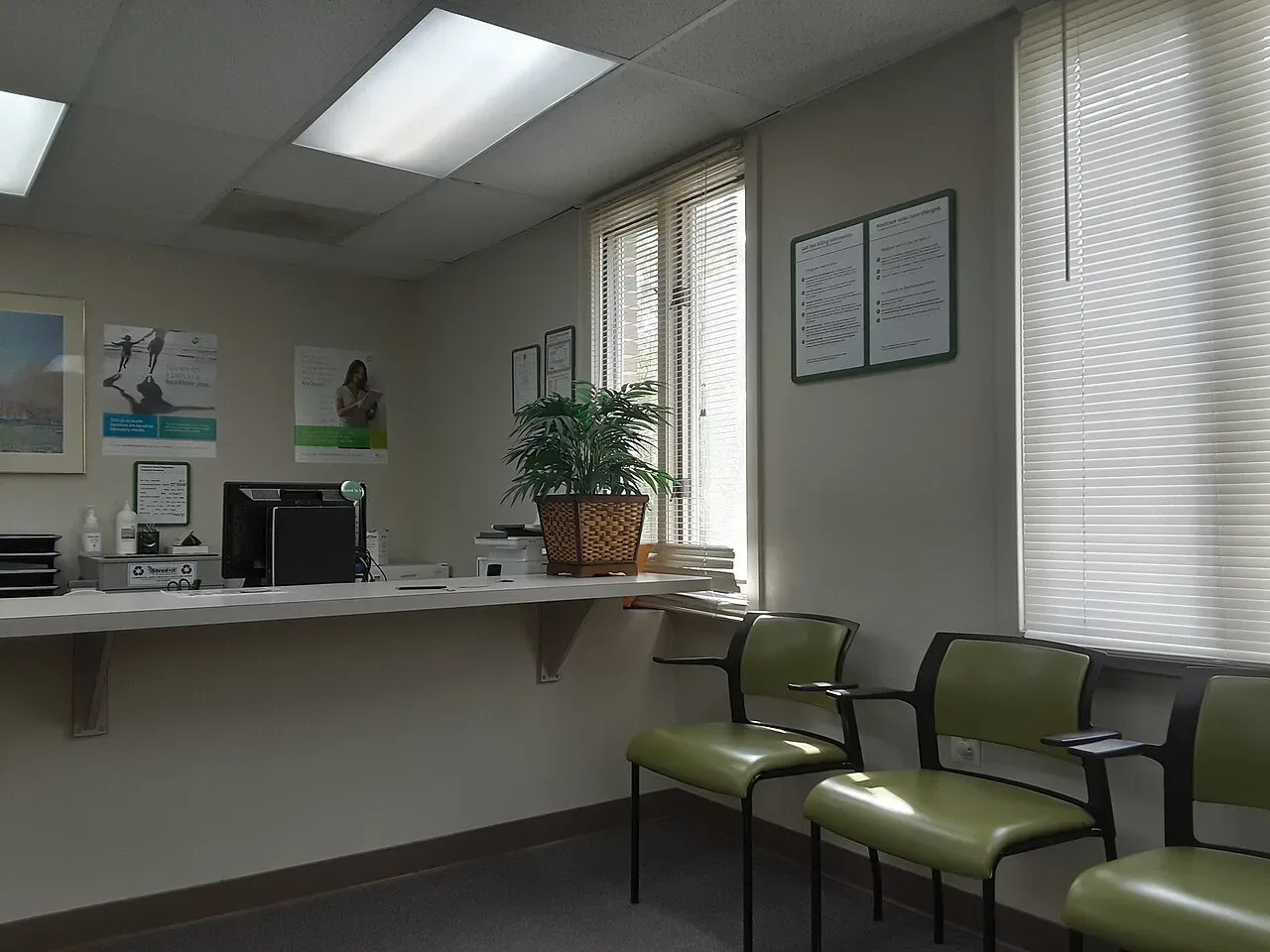
On 21 October 2026 Quest Diagnostics found that an unauthorised party had accessed its Quanum Lab Services Manager portal and certain patient records, including personal information. Quest has not said how many patients are affected. Affected patients will get letters offering credit and identity monitoring.
Table of contents 5 sections
- Quest Diagnostics learned on 21 October 2026 that an intruder had accessed its Quanum Lab Services Manager portal.
- Quest says personal information and patient records were accessed but has not said how many patients are affected.
- The company says the incident was remediated by 26 October and is unrelated to the October PHP vulnerability.
- Affected patients will receive letters offering credit and identity monitoring, Quest says.
- In 2019 a breach at Quest's billing vendor exposed data of about 11.9 million patients.
The Quest Diagnostics data breach began to come to light on 21 October, when the lab testing company learned that an unauthorised party had got into Quanum Lab Services Manager, the web portal some clinics and hospitals use to order tests and look up results. In a filing with the US Securities and Exchange Commission the next day, Quest said the intruder "accessed certain patient records".
Nine days on, the most important questions are still open. Quest has not said how many patients are affected, which data fields were taken or when the intrusion started.
What Quest has confirmed about the Quanum breach
The company's 8-K filing says Quest started its incident response procedures to contain the activity, notified federal law enforcement and brought in outside cybersecurity experts. It says the incident has not materially disrupted its business or its ability to serve patients.
Quest's own security notice adds more detail. The company believes some patient data in Quanum LSM was accessed, "including personal information and patient records", and says the specific data involved is still under investigation. As of 8:00 am Eastern on 26 October, Quest says the incident is remediated.
Two related tools, Essential Insights and LabHQ, were paused as a precaution. Quest says no data was accessed in them and both have been restored. Clinics that send orders through direct lab system connections or electronic medical record systems were not affected, according to the notice.
While Quanum LSM was shut down, BleepingComputer reported, Quest told clients to fall back on paper requisitions or its separate Quanum eLabs tool to place orders and receive results. For patients that mostly meant slower paperwork at the doctor's office rather than cancelled appointments, which fits Quest's line that core operations kept running.
Quest also told the Associated Press that the breach is not related to the PHP vulnerability that federal officials warned about in October.
How big could the Quest Diagnostics data breach be?
That is the number everyone wants and nobody has. Quest has not given a count of affected patients or healthcare customers, and BleepingComputer had found no criminal group claiming the attack as of 23 October.
The scale of the platform explains the concern. According to TechCrunch, Quest says Quanum is used by about half a million clinicians across thousands of locations in North America. Quanum holds patient health records along with diagnostic and billing data. How many of those records the intruder could actually reach is the open question. TechCrunch found a Quest case study describing a single health system customer with more than 6 million patients and hundreds of millions of documents and charts, a hint at how much data can sit behind one client account.
TechCrunch also reported that Quest spokesperson Amanda Rivera did not answer its questions and pointed reporters to the security notice, a page coded so that search engines do not list it. For a company asking patients to stay alert, that is an odd choice.
Quest has been breached before
This is Quest's second major known breach in a decade. In 2019, an attack on its billing collections vendor, the American Medical Collection Agency, exposed personal data of about 11.9 million Quest patients. BleepingComputer notes that at least 19 class actions followed and were consolidated into litigation that is still going. In 2016, a separate hack exposed the lab results and contact details of about 34,000 people.
Health data is valuable to criminals because it does not expire. You can cancel a credit card. You cannot cancel a diagnosis, a date of birth or a record of which tests you had.
What patients should do now
You do not need to do anything dramatic today, but a few steps reduce the risk:
- Wait for a letter, not a call. Quest says affected patients will receive notification letters describing the help available, including credit and identity monitoring.
- Be suspicious of anyone who contacts you about the breach. Quest specifically warns about phishing, voice phishing and fake breach-notification, credit-monitoring or settlement offers. Verify any message about Quest or your lab work through a number you already have. Our guide on how to spot a phishing email covers the common signs.
- Check insurer statements. Look for tests, visits or claims you do not recognise and report them to your insurer.
- Consider a credit freeze with the credit bureaus if your letter says identifying details such as your date of birth were involved.
- Do not pay anyone who promises to get you into a settlement or to remove your records from the dark web.
What happens next
Quest says its investigation is continuing and that it will notify affected patients and providers as required by law and report to regulators. Those regulatory filings are where a firm patient count is most likely to appear first. Watch for that number, for any group claiming the attack on a leak site, and for the first lawsuits, which tend to follow within days of a disclosure like this.
Frequently asked
- Quest Diagnostics Inc. Form 8-K (22 October 2026) — US Securities and Exchange Commission
- Quanum security incident notice — Quest Diagnostics
- Lab testing giant Quest Diagnostics confirms patients' personal and health data was compromised during breach — TechCrunch
- Quest Diagnostics confirms data breach exposed patient records — BleepingComputer

0 comments
No comments yet — be the first.