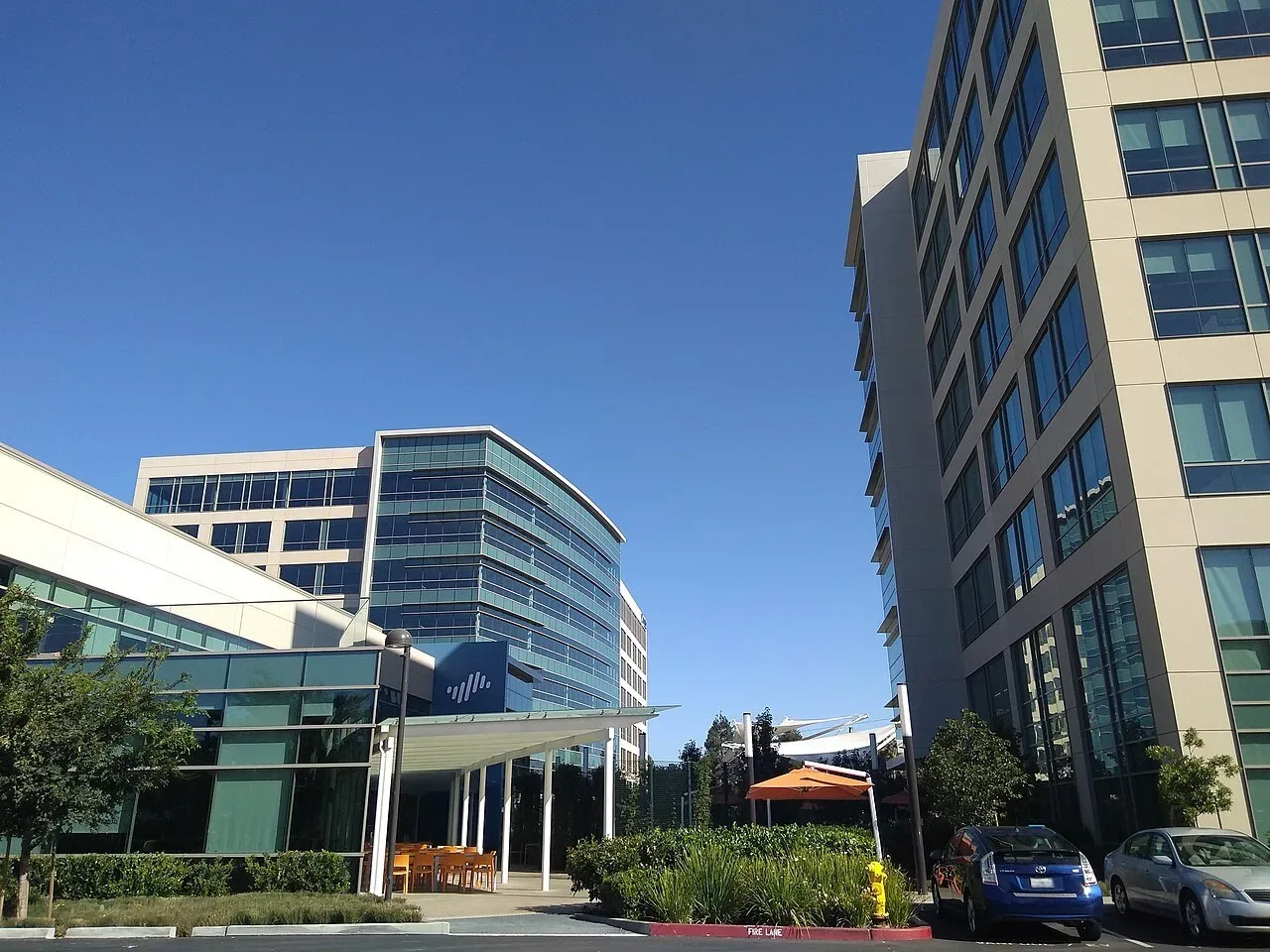
Palo Alto Networks agreed on 18 November 2026 to acquire Applied Compute, a platform for post-training and inference of open-weight AI models, in an all-stock deal valued at $4.5 billion. CEO Yash Patil would become Co-Chief AI Officer after closing, which is expected in the fiscal third quarter of 2027.
Table of contents 6 sections
- Palo Alto Networks agreed on 18 November 2026 to buy Applied Compute in an all-stock deal valued at $4.5 billion, subject to adjustments.
- Applied Compute runs a platform for post-training and inference of open-weight AI models, and its CEO Yash Patil is due to become Co-Chief AI Officer.
- Closing is expected in the fiscal third quarter of 2027 and needs regulatory clearance.
- Chairman and CEO Nikesh Arora argues every enterprise will mix open and closed models and must secure them.
- An analyst warns about concentration risk and about a supervision model trained by the system's own builders.
The Palo Alto Networks Applied Compute deal, announced on 18 November, is an all-stock acquisition valued at $4.5 billion, subject to adjustments. Applied Compute runs a platform for post-training and inference of open-weight AI models, and its team will join the security company. The sale has not closed, and it still needs regulatory clearance.
What Palo Alto Networks agreed to buy
According to the company's press release filed with the SEC, Applied Compute is a platform for post-training and inference of open-weight AI models. In plain terms, it helps companies adapt a model whose weights are published and then run it. The startup keeps serving AI-native companies, digital natives and large enterprises.
Applied Compute co-founder and CEO Yash Patil is due to become Palo Alto Networks' Co-Chief AI Officer once the deal closes. The company expects that to happen in its fiscal third quarter of 2027, which runs from February to April, according to CSO Online. Closing depends on customary conditions and regulatory clearance.
Why a security company wants a model-tuning startup
Chairman and CEO Nikesh Arora gave the argument in the release: every enterprise will run a mix of open and closed models, and each of those models needs to be secured. Palo Alto Networks was a prospective customer of Applied Compute, and Arora said the company's Unit 42 Frontier AI Assessment confirmed the startup's security foundations.
The plan, as reported by Constellation Research, is to offer secure and sovereign open-weight models and to use AI-based supervision models for security. Arora said the company needs to train its own models to build that supervision business. Constellation also describes the target market as new and only loosely related to cybersecurity.
The Palo Alto Networks Applied Compute price in context
The announcement came with fiscal first-quarter 2027 results. Palo Alto Networks reported revenue of $3.44 billion, up 39% from a year earlier, and guided to full-year revenue of $14.52 billion to $14.57 billion. Paying $4.5 billion in stock means the buyer is spending shares, not cash.
Arora also set out forward-looking targets tied to the deal: capital spending of less than $3 billion through fiscal 2030, more than 100 megawatts of inference capacity over three to five years, and over $1 billion of added next-generation security annual recurring revenue by fiscal 2029. Those are projections, and the company says the deal may not close on time or at all.
We have not found a reliable public figure for how much outside funding Applied Compute raised or what it was valued at before this deal, so we do not state one. For readers new to how startups raise money before an exit, our guide to startup funding stages explains the usual path.
Why Arora ties the deal to the pace of vulnerabilities
Arora linked the purchase to pressure on security teams. According to Constellation Research, he cited vulnerability discoveries at nearly seven times last year's monthly average, and said he believes that surge is behind outages and patching strain. That is his explanation, framed as belief, and the report does not independently verify it.
The logic runs like this: if AI tools find flaws faster, defenders need AI of their own, and Palo Alto Networks argues it cannot build supervision models without training its own. Buying a team that already post-trains and serves open-weight models is a faster route than hiring one. Whether that reasoning holds depends on the products that follow, and none have been described yet.
The price also raises a plain question for shareholders. The company set out its capital spending and recurring revenue targets in the same announcement, which gives investors numbers to track against over the next three fiscal years.
What analysts say could go wrong
Sanchit Vir Gogia of Greyhound Research raised several cautions in the CSO Online piece. He warned that a supervision model trained by the same builders as the system it checks is "a colleague, not a check," and advised customers to have someone other than the trainer test it.
He also said Palo Alto Networks' sovereignty claims cover security data but not yet GPUs, so an offer with no named region, operator or date is hard to judge. Concentration is a further worry: one fault, breach or pricing dispute could hit both the protection and the protected systems at once.
Arora's statement that open-weight models grew from under 5% to over 60% of token traffic in a year came without a cited source, according to CSO Online. Treat it as the company's view until independent data appears. Our primer on open-source versus closed-source AI models explains why that split matters to buyers.
What to watch next
Watch for the regulatory review, any named locations for the promised sovereign capacity, and the first products that combine Applied Compute's tooling with Palo Alto Networks' security services. Customers of the startup should read their contracts for rights over trained model weights, data use and exit terms after a change of control, as Gogia advised. Closing is expected between February and April 2027.
Frequently asked
- Palo Alto Networks press release, Exhibit 99.2 to Form 8-K — U.S. Securities and Exchange Commission
- Palo Alto Networks bets $4.5B on enterprise AI with Applied Compute acquisition — CSO Online
- Palo Alto Networks acquires Applied Compute for $4.5 billion — Constellation Research


0 comments
No comments yet — be the first.