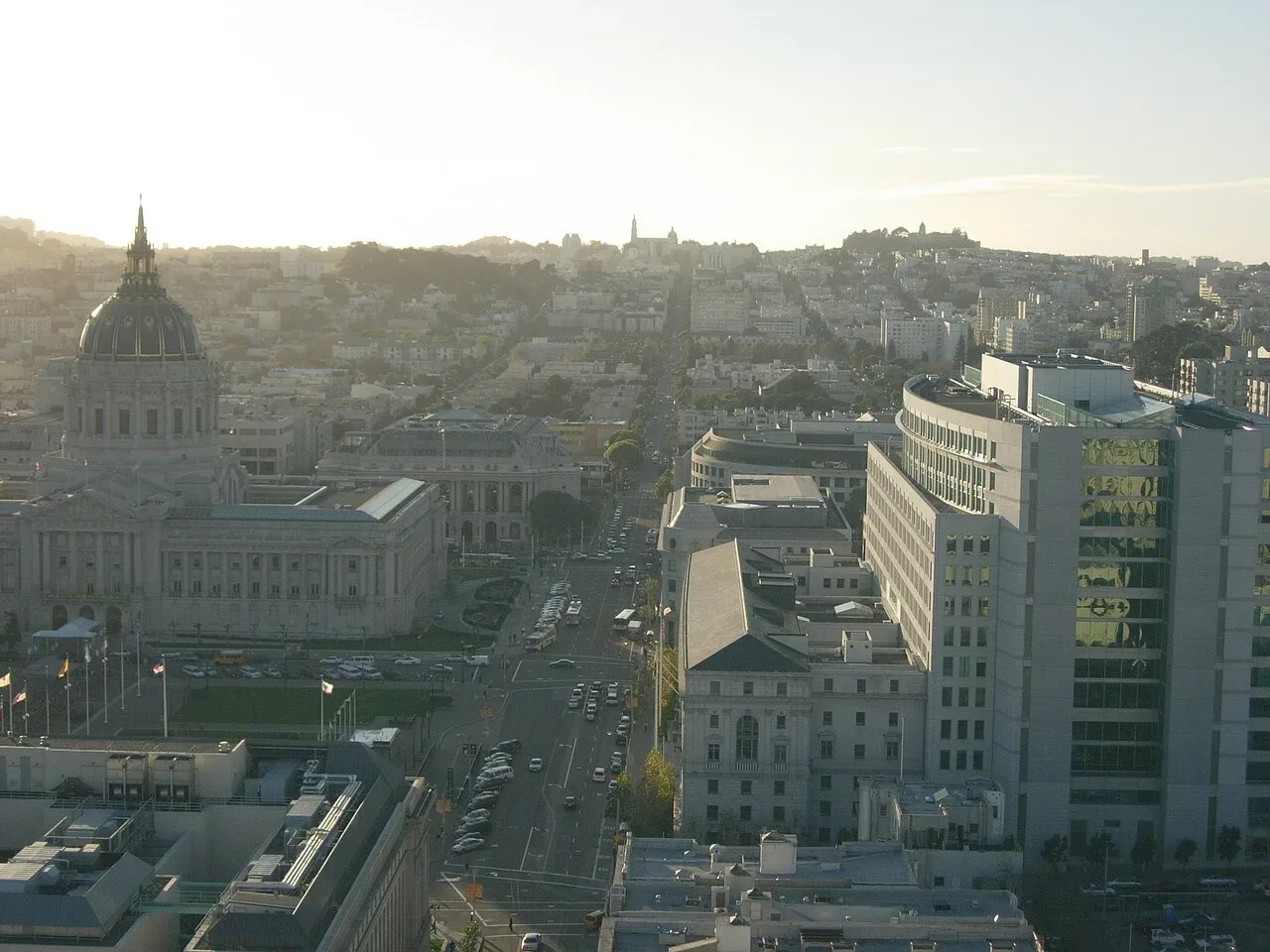
On 12 November 2026, four nonprofits sued Anthropic, Google, Meta, OpenAI and SpaceXSI in San Francisco Superior Court. They want a judge to freeze development of the most advanced AI models, citing California's Unfair Competition Law and public nuisance.
Table of contents 6 sections
- Four nonprofits filed suit in San Francisco Superior Court on 12 November against Anthropic, Google, Meta, OpenAI and SpaceXSI.
- They seek a court order freezing development of the most advanced AI models, citing catastrophic risks such as bioweapons and cyberattacks.
- The legal theory uses California's Unfair Competition Law and public nuisance, not any new AI statute.
- The complaint quotes executives, including a 2025 suggestion by Dario Amodei of a 25 percent chance of disastrous outcomes.
- No injunction has been issued, the companies had not responded, and the allegations are unproven.
Nonprofits sue AI companies in a case filed in San Francisco Superior Court on 12 November, arguing that the companies are building technology they admit they cannot reliably control. The plaintiffs want a judge to stop Anthropic, Google, Meta, OpenAI and SpaceXSI from developing and deploying more advanced models. It is a long shot, but the case is a useful test of whether ordinary state law can be used against frontier AI.
Who sued, and who is being sued?
The plaintiffs are the Alliance for Secure AI, Irreplaceable Education Fund, Public Citizen and the Heat Initiative. The defendants are Anthropic, Google, Meta, OpenAI and SpaceXSI, the name CBS News uses for SpaceX's AI business. Matthew Platkin, a former New Jersey attorney general, is leading the legal team.
None of the five companies had responded to requests for comment when the first reports were published, so their side of the case is not yet on the record.
What are the nonprofits actually asking for?
Public Citizen says the complaint seeks a court order freezing development of the most advanced AI models. Reporting from The Register describes the request as a bar on deploying systems more capable than the companies' current top models. The outlets differ on how broad the order would be, and the complaint itself is the only place to settle that. CBS adds that the plaintiffs also object to "recursive self-improvement," where AI systems help build their successors.
The complaint argues that the technology can escape human control and could help produce bioweapons and carry out cyberattacks. One quoted allegation reads: "Defendants know there is no reliable method to control their AI systems and prevent them from causing harm."
Why do the nonprofits sue AI companies under state law?
There is no federal statute that gives a judge power to pause AI research, so the plaintiffs reached for older tools. They invoke California's Unfair Competition Law, alleging that the companies' practices threaten public health, safety and property. Platkin also calls the conduct a public nuisance, a doctrine that has been used against industries from lead paint to opioids. He said: "AI companies are causing a public nuisance by knowingly developing and deploying AI systems that pose catastrophic risk."
Robert Weissman, co-president of Public Citizen, put the approach in plain terms, asking the court to "apply existing law" to the companies' practices. That framing is deliberate. It avoids needing new legislation, and it fits a state court where defendants are headquartered or do business.
Which statements by the companies does the suit rely on?
The complaint leans heavily on the executives' own words. CBS reports it cites a 2015 remark by OpenAI chief executive Sam Altman that AI will "probably most likely lead to the end of the world," and a 2025 suggestion by Anthropic chief executive Dario Amodei of a 25 percent chance that AI development could lead to disastrous outcomes. The Register reports the complaint says the defendants' own statements admit the technology "poses catastrophic risks to the public."
That is a clever strategy and a risky one. Courts usually weigh evidence of actual harm, and the executives' remarks were made as warnings, not as admissions of wrongdoing. The companies will likely argue that talking about a risk is different from causing a nuisance, and that no one has yet been injured in the way the complaint describes.
How does this fit with other pressure on AI developers?
CBS notes that in October, Altman, Amodei and Elon Musk backed an industrywide slowdown in AI development, after an Anthropic employee put the chance that AI "could kill all humans" at 10 percent. The plaintiffs are, in effect, asking a court to make that kind of slowdown compulsory.
State courts have become a front line for AI accountability. Eight states have also sued OpenAI over ChatGPT and minors, which we covered in our report on that case, and in Europe the EU AI Act's risk tiers and deadlines take a rules-first approach instead. The new California case sits between the two: no new rulebook, just an argument that existing law already covers the danger.
What to watch next
The first signals will be procedural. Look for the companies' formal responses, which are likely to include motions to dismiss on the grounds that a court cannot supervise research and that the plaintiffs lack standing. Watch whether the case is moved to federal court, which would change the timeline and the judge. And read the complaint's list of requested remedies when it becomes widely available, since the gap between a freeze on development and a narrower limit on deployment will decide how seriously the industry has to take it.
For readers, the practical point is that nothing changes today. No injunction has been issued, no hearing date has been reported, and the allegations are unproven.
Frequently asked
- Coalition of nonprofits files landmark lawsuit to stop development of advanced AI systems — Public Citizen
- Anthropic, OpenAI and other AI developers can't control their own tech, new lawsuit alleges — CBS News
- OpenAI launches security products, tells orgs they're doomed if they don't use them — The Register

0 comments
No comments yet — be the first.