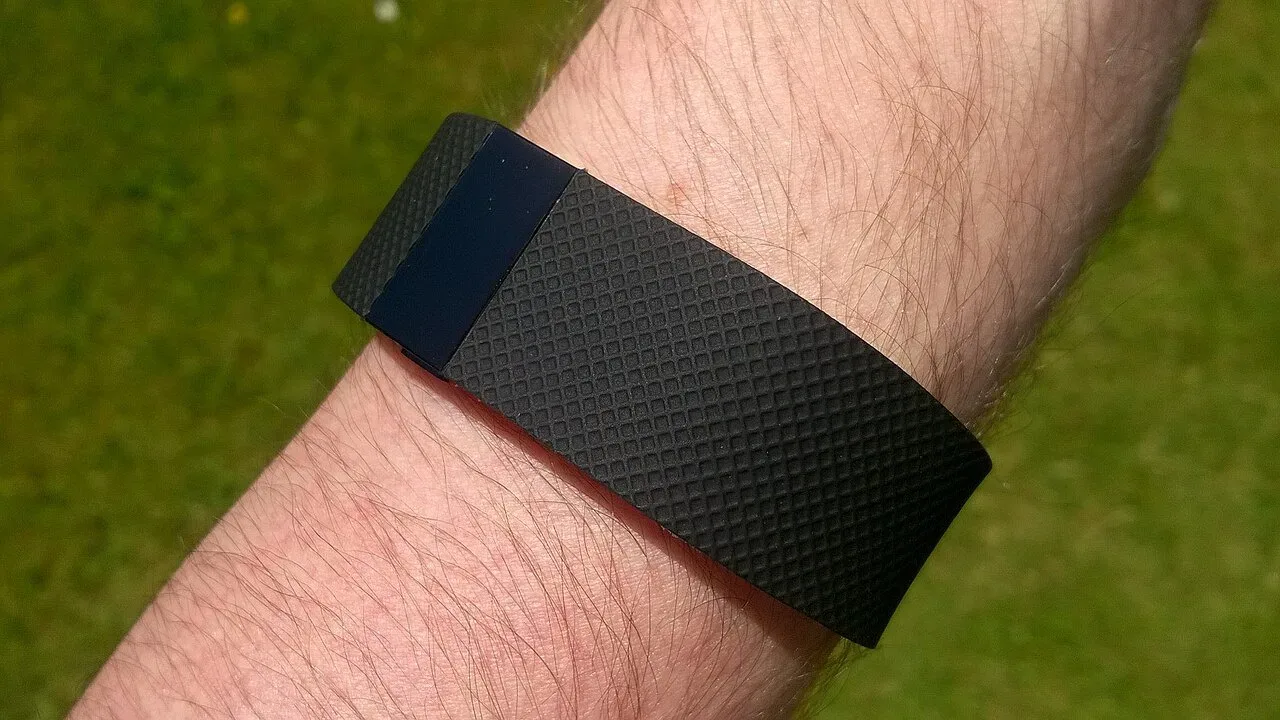
The Fitbit Edge is Google's $179.99 fitness tracker, announced on 12 October 2026 and in stores from 27 October. It has a larger hybrid OLED screen, built-in GPS, up to seven days of battery life and a replaceable battery, though its Gemini coaching requires a Google Health Premium subscription.
Table of contents 6 sections
- Google announced the Fitbit Edge on 12 October 2026 and it reached stores on 27 October for $179.99.
- It is Google's first repairable Fitbit tracker, with a modular design and a replaceable battery.
- The display has 46 percent more viewing area than previous Fitbit trackers.
- Battery life is rated at up to seven days, with a full day from five minutes of charging.
- The Gemini-powered Google Health Coach needs Google Health Premium after a three-month free trial.
Google's Fitbit Edge went on sale in stores on 27 October for $179.99, two weeks after Google announced it on 12 October. The headline feature is unusual for a fitness band: it is the first Fitbit tracker Google describes as repairable, with a modular internal design and a replaceable battery, so a worn-out cell does not have to mean a new device.
It also brings built-in GPS, a much bigger screen and a seven-day battery rating. That combination is aimed at people who found earlier Fitbit bands too cramped to read mid-run and too short-lived to wear through a long week of travel.
What is new in the Fitbit Edge?
According to Google's announcement, the Edge has a hybrid OLED display with 46 percent more viewing area than previous Fitbit trackers, readable in direct sunlight. The body is 11.5 mm thick, made from recycled aluminum, and has a redesigned side button with real tactile feedback, which matters when you are sweaty mid-workout and a touchscreen will not register.
Google positions it between the minimal Fitbit Air band and the Pixel Watch 5. That is a sensible gap: people who want week-long battery life and a clear screen without a full smartwatch.
Fitbit Edge battery: seven days, fast charging and a part you can replace
Google rates the battery at up to seven days on a charge, based on its own testing with pre-production hardware, so real use may be shorter. Engadget reports a 65mAh cell, a full charge in about 90 minutes and a full day of use from five minutes on the charger. That fast-charge figure assumes a 30W adapter, which is sold separately; our guide to USB-C chargers and watts explains what to look for.
The replaceable battery is the bigger story, and also the vaguest. Google calls the Edge its first repairable fitness tracker but has not published the repair process, the cost of a new battery or whether owners can do it themselves. Until those details appear, treat "repairable" as a promise about the design rather than a guarantee you can fix it at your kitchen table. It is still a welcome change: batteries are usually the first part of a wearable to wear out.
Health and fitness tracking
- Heart: continuous optical heart rate, high and low heart rate alerts, and an ECG app in select countries for users 22 and older.
- Health Guardian: tracks blood pressure trends and insulin resistance trends. Google says these are for general wellness, not diagnosis, and availability varies by region.
- Sleep and recovery: sleep stages and heart rate variability feed a morning recovery score; a skin temperature sensor is included where supported.
- Workouts: more than 50 exercise modes, automatic recognition of up to 100 workouts, and built-in GPS that Google claims is up to 40 percent more accurate than previous generations.
- Altitude: an altimeter tracks elevation, and the tracker works without a phone on runs.
- Durability: 5 ATM water resistance and IP68, as rated at the factory.
The blood pressure and insulin resistance trend features will draw the most attention, and Google's own caution matters. Availability varies by country, and Google's footnotes stress that neither feature is a diagnostic tool. They are trend indicators meant to prompt a conversation with a doctor, not medical readings.
What needs Google Health Premium
The Gemini-powered Google Health Coach, which Engadget describes as building weekly routines and workout plans that adapt to your schedule, needs a Google Health Premium subscription. Buyers get three months free. Google's announcement did not list the regular Premium price, so check it before the trial ends; that recurring cost changes the real price of the device.
The Gadgeteer also notes the Edge has no NFC payments, which is worth knowing if you hoped to leave your phone and wallet at home on a run.
Price, colours and compatibility
The standard Edge costs $179.99 in Obsidian, Fog, Olive or Canyon. A Stephen Curry Special Edition costs $219.99. Bands include Active Sport, Magnet, Metal Links and a Performance Loop marked as coming soon. The tracker works with most phones running Android 11 or later and iPhones on iOS 16.4 or later, and needs a Google Account and the Google Health app.
Should you buy the Fitbit Edge?
It is a strong pick for people who want long battery life, GPS and a readable screen in a slim band, especially Charge-series owners whose trackers are ageing. It is a weaker pick if you want tap-to-pay or full smartwatch apps, where a Pixel Watch makes more sense.
What to watch next: Google's repair details and battery pricing, independent tests of the seven-day battery claim and the 40 percent GPS improvement, and whether the trend-based Health Guardian alerts expand to more countries. If you buy now, set a reminder for the end of the three-month Premium trial so you decide on the subscription deliberately.
0 comments
No comments yet — be the first.