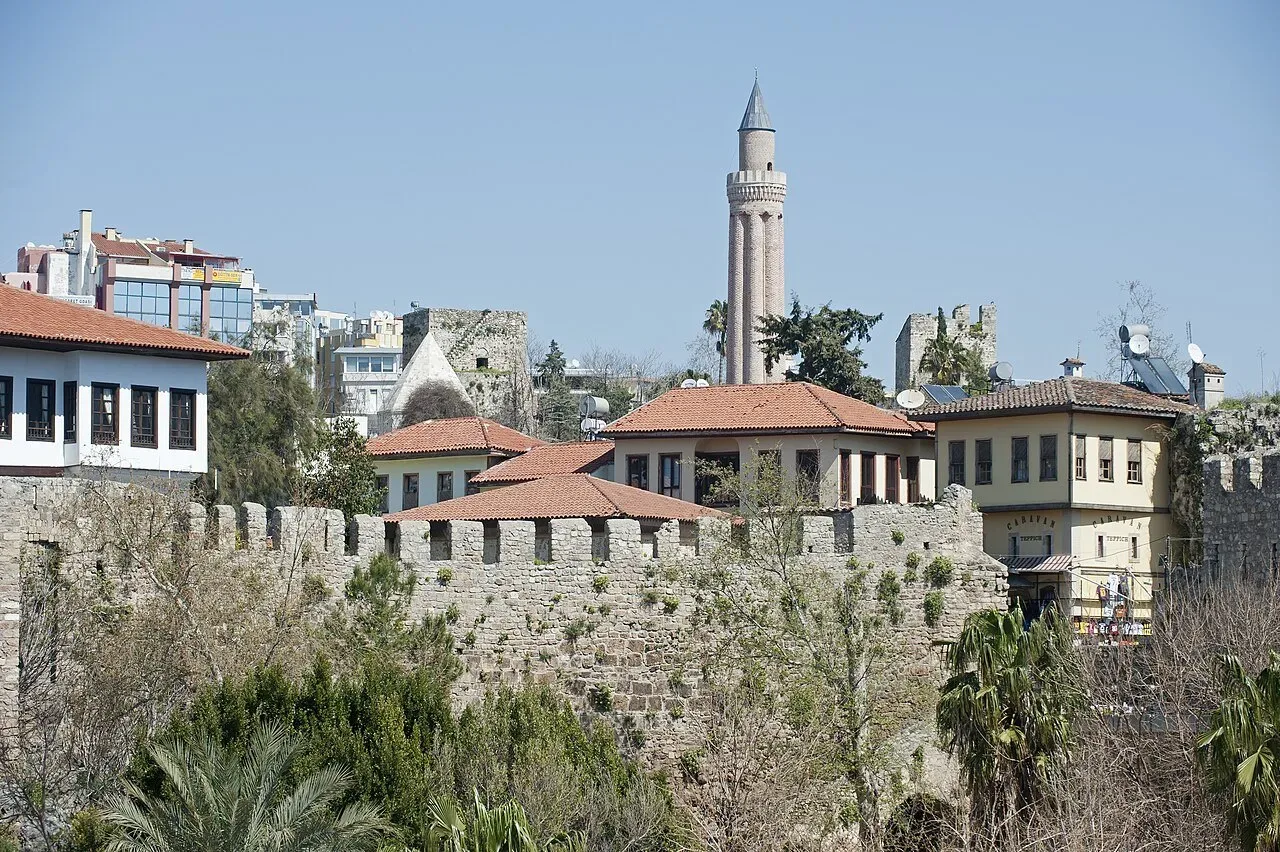
COP31 in Antalya closed on 22 November 2026 without adopting its cover decision, after two days of overtime. Explicit fossil fuel language had dropped out of the draft, and the European Union, Panama and the Marshall Islands objected. COP32 will be held in Addis Ababa, Ethiopia.
Table of contents 5 sections
- COP31 in Antalya closed on 22 November 2026 without adopting its overarching cover decision, UN News reported.
- The draft dropped explicit references to moving away from fossil fuels, the main obstacle to consensus.
- The European Union, Panama and the Marshall Islands objected, while Ghana and Pakistan urged consensus and Saudi Arabia defended carbon capture.
- A $120 billion adaptation finance target had been removed from the Thursday draft, according to Devdiscourse.
- COP32 will take place in Addis Ababa, Ethiopia, where fossil fuels and finance return to the agenda.
The COP31 outcome is a failure to agree. The United Nations climate summit in Antalya, Türkiye, closed on Sunday, 22 November 2026, without adopting its overarching cover decision, after two days of overtime and a formal objection from the European Union. Summit president Murat Kurum, Türkiye's environment minister, put it plainly. "I understand that there is no agreement on this text," he said. "For that reason, these decisions have not been adopted."
What happened in the last hours at Antalya
The conference was scheduled to run from 9 to 20 November. According to UN News, it ended two days later with no pact and is now the longest-running UN climate summit on record. AFP, in a report carried by the Philippine outlet Tribune, put the closing at more than 49 hours after the scheduled end.
Chris Bowen, Australia's climate minister, shared the leadership with Türkiye as president of negotiations. AFP quoted him as saying the talks could not get past "unbridgeable red lines" and that "unfortunately, we were unable to reach agreement on a cover decision." He described the setting as "the most complicated and fraught geopolitical environment in living memory." Australian Prime Minister Anthony Albanese blamed "difficult geopolitical times," according to the same report.
Earlier coverage of the opening days is in our preview of the summit and our report on the finance dispute.
Why the COP31 outcome came down to fossil fuel wording
The sticking point was a short phrase. UN News reports that explicit references to moving away from fossil fuels dropped out of the latest draft, and that this was the main obstacle to consensus. A slimmed-down text published on Thursday 19 November had already removed both fossil fuel references that appeared in Monday's first draft, Devdiscourse reported.
That matters because countries agreed at COP28 in Dubai in 2023 to transition away from fossil fuels, as Secretary-General António Guterres reminded delegates. Later summits have not made the commitment more specific. A text that said nothing at all about it looked to the EU and others like a step backwards rather than a neutral compromise.
Bowen said at the time that the opening draft was always meant to be broad and would be narrowed. Kurum said, "It is clear we cannot get anywhere by repeating the same discussions." Critics saw it differently. Mohamed Adow of Power Shift Africa said the text "has gone backwards."
Who rejected the text and who held back
UN News lists several formal positions. The European Union objected to the cover decision, saying it failed to "meet the moment." Panama rejected the outcome, arguing the pact weakened previously agreed decisions. The Marshall Islands withheld support and criticised what it called "false solutions."
Others were more cautious. Ghana, speaking for the African Group, said the just transition received "a single generic sentence" and noted gaps on finance and loss and damage, but said it would not stand in the way of consensus. Pakistan urged continued work toward agreement. Saudi Arabia defended references to carbon capture and storage while saying it would stay engaged.
AFP quoted Ireland's climate minister Darragh O'Brien, whose country holds the rotating EU presidency, saying the bloc would not endorse a cover decision that does not mention fossil fuels: "we will not accept a COP that greenwashes fossil fuel." Former US vice president Al Gore called it "outrageous" that a "handful of petrostates" hold a veto over any mention of fossil fuels. AFP did not name which producer states blocked the language, and that attribution remains general.
What the draft said on warming, money and electricity
The text was not empty. Compromise drafts from the two presidencies acknowledged that global warming is on course to exceed 1.5 degrees Celsius, which Devdiscourse describes as a first for a COP cover decision. They also encouraged scaling up carbon removal technologies, a point Greenpeace criticised because it could give fossil fuel producers room to expand output.
On electricity, the draft called for "global cooperation" to lift electricity's share of world energy to 35 percent by 2035, up from about 23 percent. Roughly 75 nations back Türkiye's "35-by-35" goal, though developing countries resisted a firmer earlier version, citing the cost.
The weakest part, for poorer countries, was money. The Thursday draft removed a $120 billion target for helping developing nations adapt to climate change, according to Devdiscourse. With no cover decision adopted, none of this text takes effect as a package.
What happens after the COP31 outcome
Guterres said he was "deeply disappointed." "There may be no consensus in the negotiating room," he said. "There is no ambiguity in the science." He added, "We can't put out the fire while pouring fuel on it."
Simon Stiell, the UN's top climate official, struck a firmer tone about the next round. "The world cannot afford a repeat of this moment," he said, pointing to progress on a just transition agreement and on electrification, resilience and investment initiatives from the summit's action agenda. UN News says COP32 will be held in Addis Ababa, Ethiopia, and that governments will return to the unresolved questions of a transition away from fossil fuels and finance for developing countries.
Three things are worth watching. First, whether the 2023 Dubai language holds as the reference point or gets argued over again. Second, whether coalitions of willing countries, such as the electrification backers, formalise their goals outside the UN text. Third, whether the EU and the countries that rejected the text bring a fossil fuel proposal to Addis Ababa before the talks open rather than during the final night.


0 comments
No comments yet — be the first.