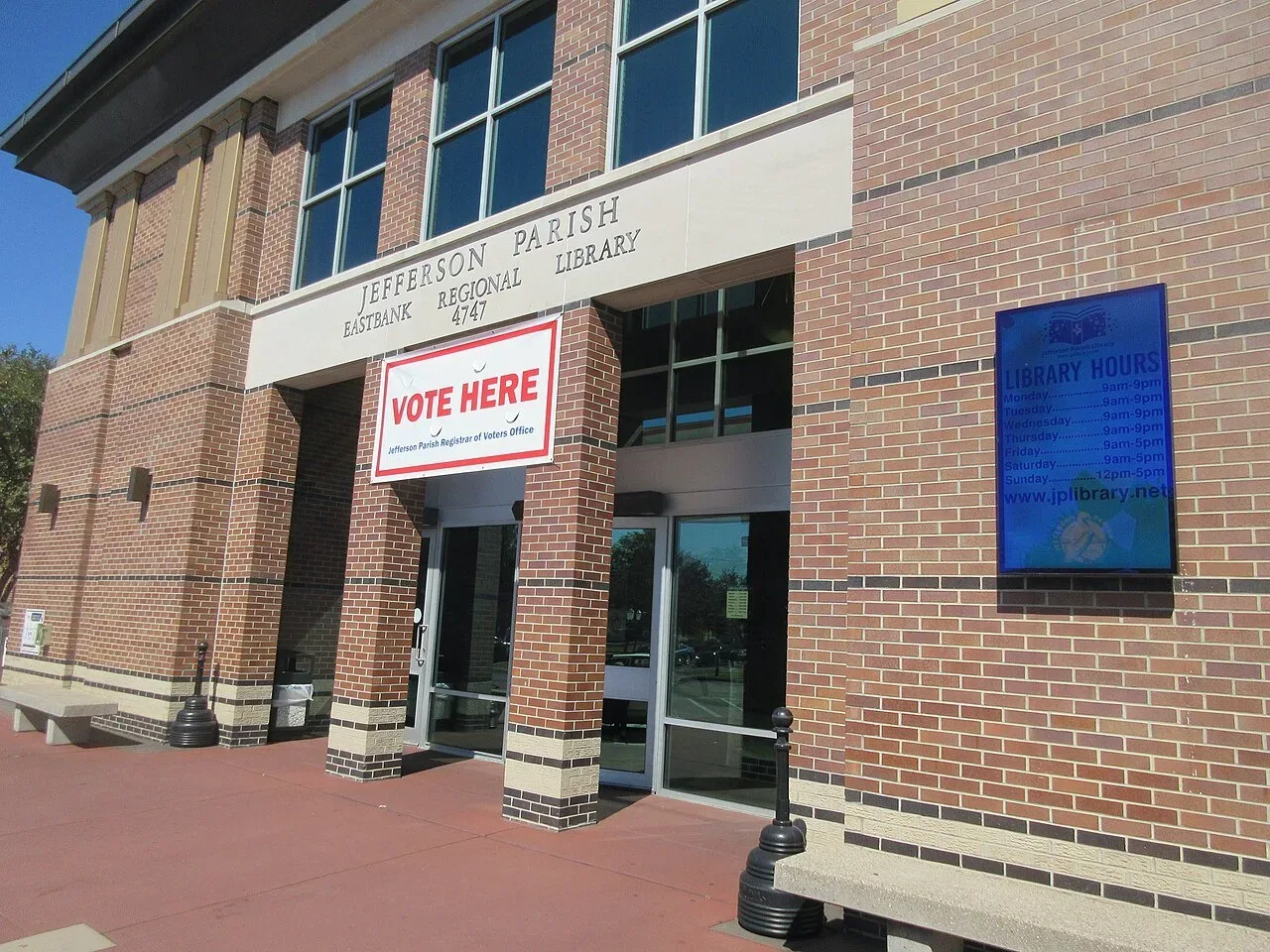
The 2026 US midterm elections are on Tuesday 3 November. All House seats, a third of the Senate and 39 governorships are up. Republicans hold the House 218-214 and the Senate 53-47, so Democrats need a net gain of four seats in each chamber to win control.
Table of contents 6 sections
- Election day for the US midterms is Tuesday 3 November 2026, with early voting under way for weeks.
- Republicans hold the House 218-214 and the Senate 53-47, and Democrats need a net gain of four seats in each.
- A record $3.8 billion had been spent on political ads by 12 October, according to AdImpact.
- Reuters lists Maine, Ohio, North Carolina, Iowa and Georgia among ten Senate races that could decide control.
- A September Reuters/Ipsos poll put President Trump's approval at 32 percent.
Americans vote on Tuesday 3 November in the 2026 midterm elections, and the numbers that matter most are small: Democrats need a net gain of four seats in the House and four in the Senate to take control of Congress from the Republicans. Early voting has been under way for weeks, and a record $3.8 billion had been spent on political ads by 12 October, according to the tracking firm AdImpact.
Every House seat is on the ballot, along with a third of the Senate, governors in 39 of the 50 states and state legislative seats almost everywhere. What follows is a plain guide to the math, the races and the arguments, based mainly on a Reuters explainer published on 19 October.
The House and Senate math in the 2026 midterm elections
Republicans hold the House by 218 to 214, with two vacancies and one independent who caucuses with them. In the Senate they hold 53 seats to 47. A net gain of four seats in either chamber would hand Democrats control of it.
History is part of why both parties are watching closely. The party in the White House usually loses ground in a midterm. In 2010 Republicans gained 63 House seats and took the majority; in 2018 Democrats gained a net 40 House seats while losing a net two in the Senate. A midterm can split control of Congress, which is why the Senate and House outcomes need to be read separately.
At the state level, Republicans control 55 percent of legislative seats and Democrats 43.8 percent, according to Ballotpedia.
The races most likely to decide control
Reuters identifies ten Senate contests that could decide the chamber, including Maine, Ohio, North Carolina, Iowa and Georgia. The heaviest Senate ad spending is in Texas, Ohio and Michigan.
In the House, the battleground is a few dozen districts. Reuters highlights Republican Representative Mike Lawler's race in a New York district that Kamala Harris won in 2024, an open swing seat in Nebraska where farmers and truckers face higher fuel prices, two Pennsylvania seats Democrats hope to flip and one in New Jersey.
What each party is running on
Democrats are campaigning on the cost of healthcare, groceries, housing and energy. Republicans are promoting further tax cuts and large defence increases, and want deeper cuts to the social safety net, building on President Donald Trump's 2025 "One Big Beautiful Bill," according to Reuters. Immigration enforcement tactics and fuel prices, pushed up by the US war against Iran, also feature heavily.
The national mood is part of the backdrop. A September Reuters/Ipsos poll put Trump's approval at 32 percent, the lowest of his presidency in that series. Reuters reports that Democrats appear more enthusiastic and that Latino voters who moved toward Trump in 2024 may be returning to Democrats.
That does not settle anything. Reuters also notes that a Democratic landslide is not assured: Republicans could benefit from voter scepticism toward Democrats, a spending advantage and concerns among moderates about some left-wing primary winners. Elon Musk alone has spent about $366 million backing Republicans, according to campaign finance records.
Who would lead Congress after 3 November
If Democrats win the House, Representative Hakeem Jeffries of New York is likely to become speaker, the first Black American to hold the post. Jeffries has said Democrats would investigate what he calls "unprecedented levels of corruption" under Trump. If Republicans hold on, the gavel stays with Speaker Mike Johnson or another Republican.
Control matters for the next two years of Trump's term. A Democratic House could block legislation and open investigations. A Republican Congress would keep the path open for the tax and spending agenda the party is campaigning on.
Turnout, early voting and claims about fraud
If turnout resembles 2022, more than 100 million people are likely to vote, Reuters estimates, compared with more than 155 million votes cast in the 2024 presidential election. The University of Florida Election Lab publishes a running tracker of early and mail ballots by state.
Elections are run by the states, and Reuters notes concern about possible federal interference this year. Trump has repeatedly claimed widespread cheating in US elections since 2020, without evidence, according to the Reuters explainer.
What voters should do before Tuesday
- Check your registration, polling place and hours on your state or county election office website.
- If you have a mail ballot, read your state's return deadline carefully, since rules differ.
- Ignore texts or emails that ask for personal details to "confirm" your vote. Our guide on how to spot a phishing email shows what fakes look like.
- Expect close races to take time. Results reported on election night are partial, and official counts come later.
The first signals to watch on Tuesday night are the Senate races in Maine, North Carolina and Ohio, and the swing House districts in New York and Pennsylvania.
Frequently asked
- US midterm elections 2026: All you need to know ahead of November 3 — Khaleej Times / Reuters
- What You Need to Know About the 2026 US Midterm Elections — Asharq Al-Awsat
- 2026 Early Voting Tracker — University of Florida Election Lab



0 comments
No comments yet — be the first.