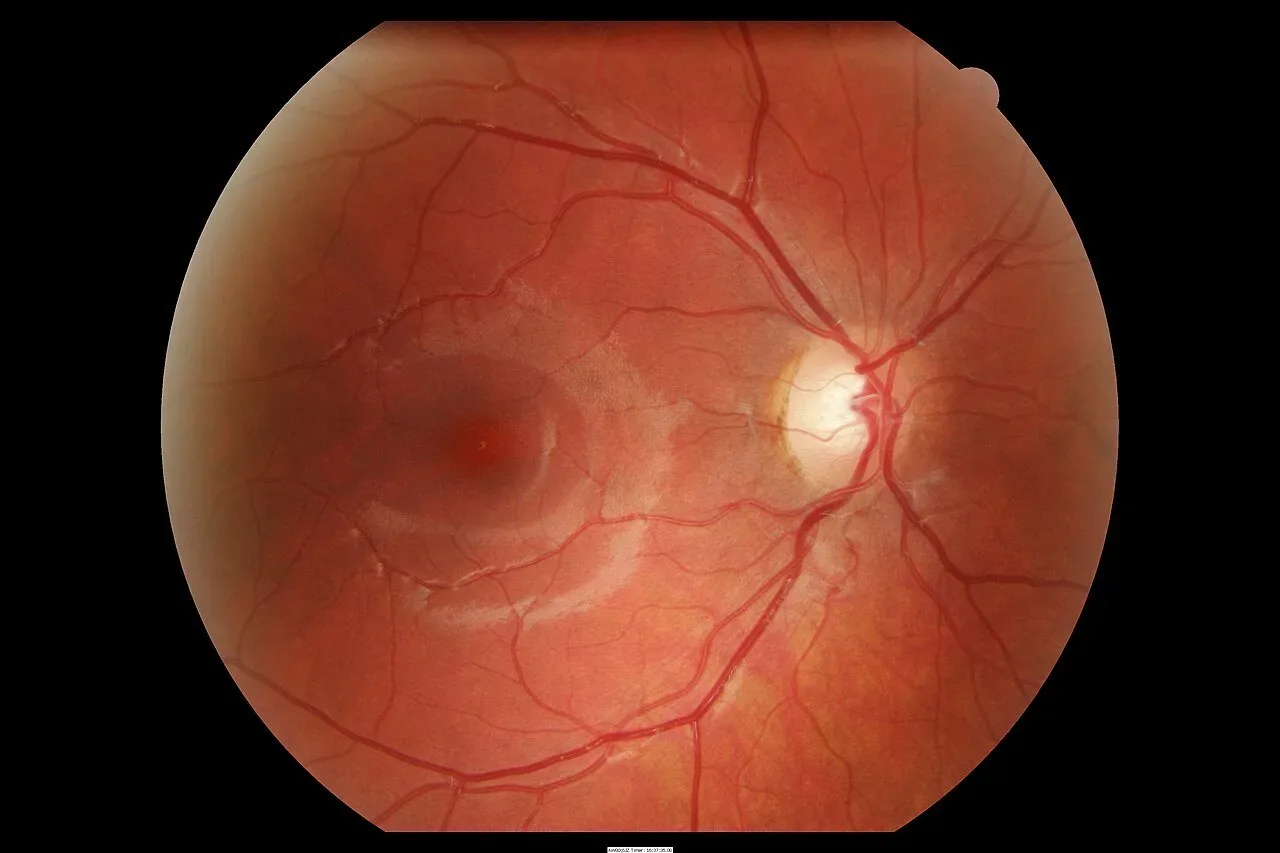
Science Corporation, the neurotech startup founded by Neuralink co-founder Max Hodak, announced a $400 million Series D on 17 November 2026. The money will expand sales of its PRIMA retinal implant in Europe and prepare a US launch. A source told TechCrunch the round values the company at $3.5 billion.
Table of contents 5 sections
- Science Corporation announced a $400 million Series D on 17 November 2026.
- The company says it has raised more than $900 million since its 2021 founding.
- The $3.5 billion valuation comes from an unnamed source and has not been confirmed by Science.
- Funds will expand PRIMA in Europe, prepare a US launch through the FDA Humanitarian Device Exemption and grow the biohybrid programme.
- Science has not disclosed commercial patient counts, revenue, headcount or a US launch date.
Science Corporation announced a $400 million Series D on 17 November 2026, one of the larger rounds yet for a brain-computer interface company. The Science Corporation Series D is meant to widen sales of its PRIMA retinal implant in Europe and prepare a US launch, according to the company's announcement as reported by The Next Web.
Who invested in the Science Corporation Series D?
The announcement names Khosla Ventures, Ackman Oxman Institute, Tenet Healthcare, 885 Capital, Y Combinator and PLC Neurotech among the backers, with others unnamed, per a summary of the release on ValueAdd VC. No lead investor was named. Khosla and Y Combinator also took part in the March round, which Science closed at $230 million with Lightspeed Venture Partners, IQT and Quiet Capital, according to MedTech Dive.
The company says it has raised more than $900 million since it was founded in 2021. MedTech Dive put the total after the Series C at about $490 million, and ValueAdd VC notes that the earlier figures add up to somewhat less than the company's new total, so some funding probably was not disclosed along the way.
Is Science really worth $3.5 billion?
That number is not confirmed. The Next Web attributes the $3.5 billion valuation to a person familiar with the deal who spoke to TechCrunch, and the company has not confirmed it. ValueAdd VC reports a Bloomberg figure of $1.5 billion for the March round. If both numbers are right, the valuation more than doubled in eight months, which is fast even for a hot sector.
The company's product timeline moved quickly over the same period. Science went from a pending European CE mark application in March to a commercial launch in July. For founders and investors comparing stages, our guide to startup funding stages from pre-seed to Series C explains why a Series D usually follows a product that is already selling.
What is PRIMA and what has it shown so far?
PRIMA is a retinal implant for people with advanced dry age-related macular degeneration, and it is also being studied in Stargardt disease. Science calls it the first brain-computer interface to be CE marked to restore form vision, meaning the ability to read letters, numbers and words. Its European launch was announced on 22 July 2026, and it is available in Germany.
The strongest public data comes from the European trial. MedTech Dive reported in March that 38 patients received the implant and 32 were assessed at 12 months. Of those 32, 26 showed a clinically meaningful improvement in visual acuity, which works out to roughly 81 percent of those assessed. The results were published in the New England Journal of Medicine. Science's own news page lists 36-month results announced on 5 October under the headline "Showing Durable Vision Restoration in Blind Patients", and a video update on 13 October covering the first Stargardt patient treated with PRIMA. The page shows headlines only, so the detail of those later results is not confirmed here.
What does the money pay for?
The Next Web lists four uses: expanding PRIMA across more of Europe, preparing a US launch that includes seeking FDA approval, raising spending on the company's biohybrid programme, and expanding research, manufacturing and operations.
The US route runs through the FDA's Humanitarian Device Exemption, a pathway for rare conditions. Science has argued that advanced macular degeneration in both eyes is uncommon enough to qualify, according to TechCrunch as relayed by The Next Web. On 22 July, Science's news page also records Humanitarian Use Device designations from the FDA for PRIMA. A designation is a step toward that pathway, not an approval to sell.
The biohybrid programme is the more speculative bet. It aims to join engineered neurons to the brain's own circuits, and Science is designing the first human trials with Yale neurosurgery professor Murat Günel, per the same TechCrunch reporting. Founder Max Hodak co-founded Neuralink in 2016 and was its president for four years, and he now runs Science.
What is still unknown?
Readers should treat the headline numbers with some care. Most of the detail comes from secondary coverage of a company announcement, and Science's own news page lists the Series D headline without an amount, investors or terms. The figures here are therefore as reported, not independently audited.
Several basics are missing from the public record. Science has not published commercial patient counts, revenue, reimbursement rates or headcount for PRIMA, and no US launch date has been given. The valuation rests on a single anonymous source. A $400 million round also says little about how many people can actually obtain the implant today, since sales so far are limited to Germany.
Readers tracking the sector should watch for three things: whether the FDA grants Humanitarian Device Exemption approval, how quickly European availability extends beyond Germany, and whether Science publishes patient numbers and revenue. For another recent example of how large rounds are being priced, see our report on the Mercor funding round.
Frequently asked
- Max Hodak's Science raises $400m to take its sight-restoring chip to the US — The Next Web
- Science Corp. Series D: $400M and a reported $3.5B valuation — ValueAdd VC
- Science Corporation raises $230M for PRIMA vision restoration device — MedTech Dive
- Science Corporation news — Science Corporation



0 comments
No comments yet — be the first.