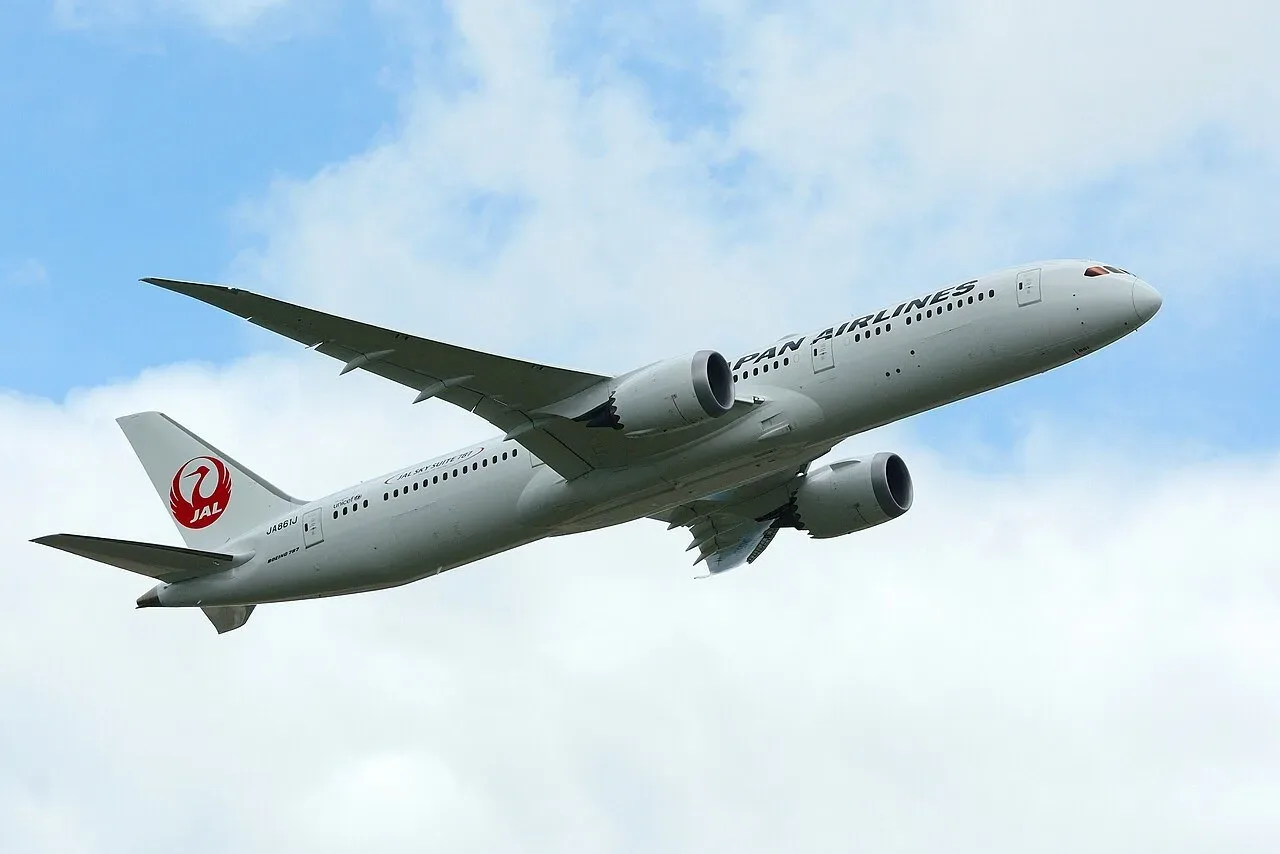
The Amadeus data breach exposed passenger booking data held in Amadeus's Passenger Service System between August 2023 and September 2026. JAL reported about 92,000 affected customers, ANA about 37,800 and Cathay Pacific about 53,000 bookings. A small subset lost passport numbers. Card numbers were not exposed.
Table of contents 5 sections
- Amadeus disclosed a vulnerability in its travel booking display environment on 1 October 2026.
- Japan Airlines said on 28 October that about 92,000 customers had booking data exposed, about 2,000 of them with passport numbers.
- ANA reported about 37,800 affected customers and Cathay Pacific about 53,000 bookings, and Korean Air and Asiana confirmed impact.
- The airlines say credit card numbers, payment data and passwords were not compromised.
- Travellers should expect phishing that quotes real flight details and should verify any message through the airline's own site.
An Amadeus data breach has exposed booking details for well over 100,000 airline passengers, and the list of affected carriers grew all week. Japan Airlines said on 28 October that about 92,000 customers were affected, ANA reported about 37,800 more, Cathay Pacific said on 30 October that about 53,000 bookings were involved, and Korean Air and Asiana Airlines have confirmed they were hit as well.
Amadeus, the Spanish company whose software runs reservations, ticketing and check-in for many of the world's airlines, has not said how many carriers or passengers are affected in total.
What happened in the Amadeus data breach
Amadeus published a statement on 1 October saying it had found a vulnerability in its "travel booking display environment" that could expose travellers' data. At the time it said there was no sign ransomware actors had exploited the flaw and that no payment or financial data had been exposed.
The airline disclosures tell a less comforting story. Amadeus notified Japan Airlines on 23 October of unauthorised access to its Passenger Service System between 10 August 2023 and 23 September 2026, according to BleepingComputer. That is a window of more than three years, and JAL's disclosure suggests the flaw was abused, not merely found.
Cathay Pacific said Amadeus has contained the incident and added monitoring and detection, Reuters reported. Investigations are continuing.
Which airlines and passengers are affected?
- Japan Airlines and Japan Transocean Air: about 90,000 customers had reservation codes, known as PNRs, along with names, flight dates, routes and travel classes exposed. About 2,000 more also had email addresses, phone numbers, passport numbers, nationalities, frequent flyer numbers, and flight, ticket and seat numbers exposed.
- ANA: about 37,800 customers who booked ANA-operated flights in the period had names, reservation numbers, travel dates and flight segments leaked. For 1,700 of them, passport numbers and nationalities were exposed too, according to ID Tech.
- Cathay Pacific: about 53,000 bookings made from August 2023 through September. Most involved the booking reference, passenger name and flight details, and a smaller subset included more personal information.
- Korean Air and Asiana Airlines: both have confirmed impact. Detailed counts were not in the reports reviewed for this article.
The passport exposure is limited. At JAL it covers about 2 percent of affected customers, roughly 2,000 out of 92,000. For those people it is the most serious part of the leak, because a passport number combined with a name, nationality and travel history is useful for identity fraud and highly convincing phishing.
What was not exposed
JAL and ANA both say credit card numbers and passwords were not compromised. Cathay told Reuters there was "no evidence that financial or payment information was accessed". JAL says it has no evidence that customer data has been misused. JAL says its flights are unaffected, and Cathay says its own systems and operations were not affected.
That is real reassurance, but booking data has value on its own. Treat a booking reference like a temporary password for your trip: in the wrong hands, together with your name, route and travel date, it gives a criminal everything needed to write a very believable email, text or phone call that appears to come from your airline.
Why one supplier breach spreads across airlines
Most travellers have never heard of Amadeus, yet its software sits between them and their airline at several steps of a trip. Its Passenger Service System handles reservations, ticketing and check-in for its airline customers, and it serves many travel agencies as well. BleepingComputer notes that because of that reach, further disclosures are likely.
This is the same pattern seen in other third-party breaches. The airline did nothing visibly wrong in its own systems, yet its customers' data leaked because a shared supplier was breached. For passengers, that means the airline you chose matters less than the software it rents.
What travellers should do now
- Read your airline's notice. If you flew with JAL, ANA, Cathay Pacific, Korean Air or Asiana between August 2023 and September 2026, check your email and the airline's website for its statement on the Amadeus incident.
- Distrust messages about your trips. Expect emails or texts that quote real flight details and ask you to "verify" a booking, pay a fee or claim compensation. Go to the airline's site yourself instead of clicking. Our guide on how to spot a phishing email explains the warning signs.
- Change your frequent flyer password if your loyalty number was exposed, and turn on stronger sign-in where offered. Here is why passkeys beat passwords.
- If your passport number was exposed, follow your airline's guidance and contact the issuing passport authority if you see any sign of misuse.
- Never pay to "secure" a booking after an unexpected call or message.
The open question is scale. Watch for Amadeus to publish a full account of the flaw and the number of affected airlines, and for carriers outside Asia to issue their own notices in the coming days.
Frequently asked
- Japan Airlines suffers third-party data breach exposing passenger info — BleepingComputer
- Cathay Pacific says Amadeus breach affected 53,000 bookings — Reuters via 93.3 The Drive
- Amadeus Breach Exposes Passport Numbers of Japan Airlines and ANA Customers — ID Tech



0 comments
No comments yet — be the first.